

Debate Ignites Over President's Term Extension in South Korea
Translated from Korean, summarized and contextualized by DistantNews.
At a glance
Analysis
Sources not specified
Context piece
- South Korean National Assembly Speaker Kim Jin-pyo suggested that a president's term extension could be a matter of public opinion and choice.
- This statement has sparked controversy, with critics questioning if it implies President Lee Jae-myung's potential for a second term through constitutional amendment.
- The article explores the legal and political implications of amending the constitution for presidential term limits, referencing past statements by President Lee and legal interpretations.
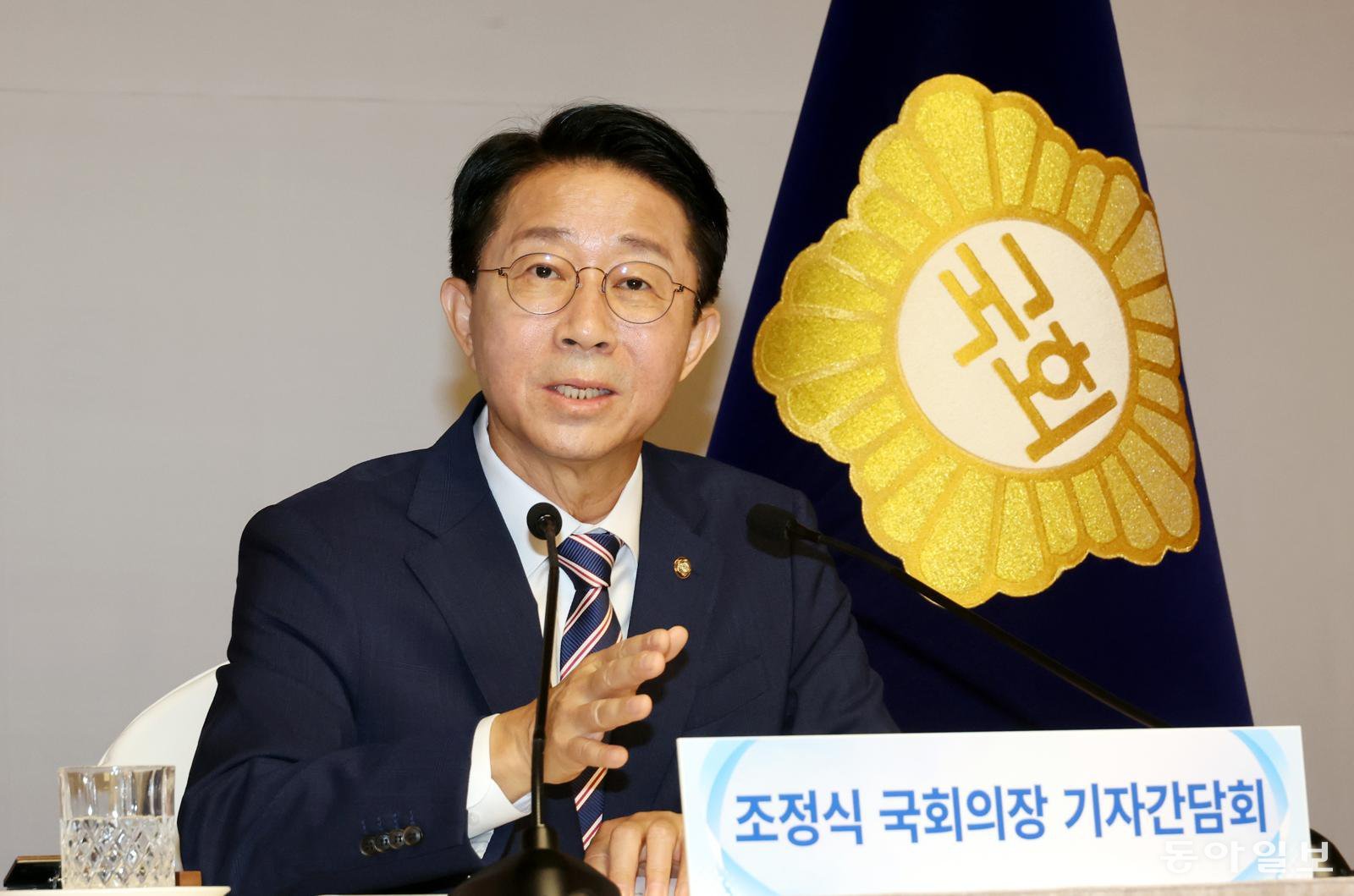
A recent statement by South Korean National Assembly Speaker Kim Jin-pyo has ignited a fierce debate over presidential term limits, suggesting that a president's re-election could hinge on public opinion and the "sovereign choice" of the people. This remark has drawn sharp criticism, particularly from those outside the ruling party's core supporters, who interpret it as a veiled endorsement of President Lee Jae-myung seeking a second term through constitutional amendment.
Ultimately, it is a matter of public opinion and the choice of the people, the sovereign.
Kim's explanation that his remarks were misunderstood has done little to quell the controversy. He has been described as a close confidant of President Lee, having maintained frequent contact even when serving as a special advisor. This context fuels suspicions that his statement might reflect a broader political undercurrent within the administration.
The five-year single term, well, that's the Constitution of the Republic of Korea, so we just go with it.
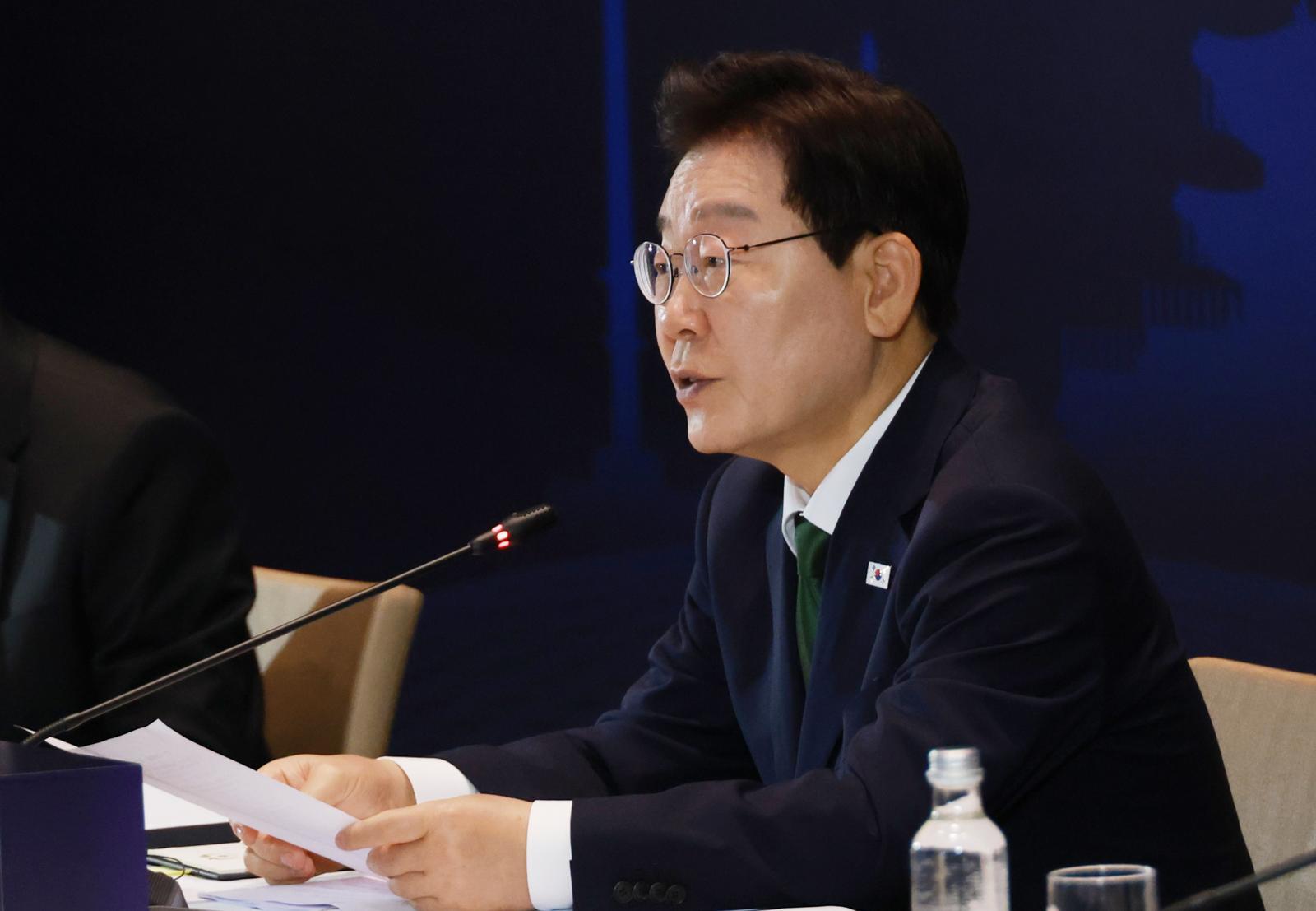
Adding fuel to the fire, the article recalls President Lee's own past comments on the five-year single-term system. During a state visit to China in January, when asked about political imagination concerning the presidential term, Lee mused, "The five-year single term, well, that's the Constitution of the Republic of Korea, so we just go with it." However, he followed this with a more ambiguous reflection on the "sea of public opinion" and the "collective intelligence" of the people, suggesting that power is like a boat floating on these currents and that the public's expectations would guide the nation forward, even through turbulence.
However, I believe in this. Politics and power are like a boat floating on the sea of public opinion, the river of the people. The thoughts and judgments of the collective intelligence of the Korean people will not change much.
The article delves into the legal intricacies, citing constitutional Article 128, Paragraph 2, which states that constitutional amendments to extend a president's term or allow for re-election are not effective for the president proposing the amendment. However, it also references academic interpretations suggesting this clause might not be an absolute prohibition, potentially allowing a sitting president to run again under a newly amended constitution if certain conditions are met. This legal ambiguity, coupled with President Lee's ongoing legal challenges, fuels speculation that he might seek to extend his tenure to avoid post-presidency legal repercussions.
There is no interpretation that Article 128, Paragraph 2 of the Constitution is a prohibition of constitutional amendment.
DistantNews Editorial
Originally published by Dong-A Ilbo in Korean. Translated, summarized, and contextualized by our editorial team with added local perspective. Read our editorial standards.
More Stories


From Our Blog

What Gets Lost (and Found) When News Is Translated

The Critical Role of Diaspora Media in Global News

What Travellers Should Know About Countries with Restricted Press

A Digital Nomad's Guide to Following Local News

How the Same Story Looks Different in Different Countries
