

Defense, energy, money, and disputes over the future: URC success in Gdańsk
Translated from Polish, summarized and contextualized by DistantNews.
At a glance
News
Sources not specified
Context piece
- Ukraine signed approximately 160 contracts worth 10 billion euros at the URC conference in Gdańsk, which attracted 7,500 guests from 30 countries.
- The conference proceeded smoothly despite a recent diplomatic spat between Poland and Ukraine over honoring a Ukrainian nationalist unit, which had led to the cancellation of Ukrainian President Zelenskyy's visit.
- Organizers noted that Zelenskyy's absence shifted the focus to business, leading to productive outcomes for both Polish and Ukrainian entities.
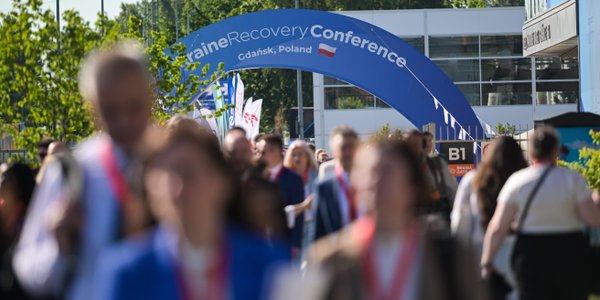
The three-day URC conference in Gdańsk, Poland, drew 7,500 guests from 30 countries, including presidents, prime ministers, and global financial leaders. Ukraine secured around 160 contracts valued at 10 billion euros during the event. The conference atmosphere was surprisingly cordial, especially considering a recent escalation of conflict between Kyiv and Warsaw over the naming of a special forces unit. This dispute had led to the revocation of the Order of the White Eagle from Ukrainian President Volodymyr Zelenskyy and his subsequent cancellation of a planned visit to Gdańsk.
Julio, feel at home.
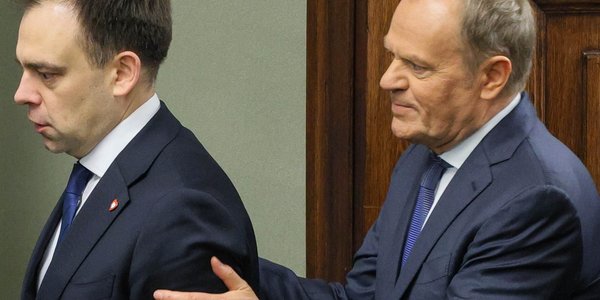
Despite the diplomatic tension, the conference's opening remarks set a positive tone. Polish Prime Minister Donald Tusk received a standing ovation for his welcome to Ukraine's Prime Minister Yulia Svyrydenko, who expressed gratitude for Poland's support. Ironically, the absence of both presidents seemed to benefit the conference, as one organizer noted that Zelenskyy's absence compelled greater focus on business matters rather than symbolic political issues.
I want to thank the Polish nation. Dear Poles, thank you very much for your help when it was most needed, thank you for your willingness to build a common future within the EU.
The event included a significant Ukrainian business delegation of over 220 people. Beyond numerous agreements, substantial financial commitments and guarantees for Ukraine were made, alongside support for Ukrainian local governments. Poland and Ukraine alone signed 15 agreements. Eliza Zeidler, Poland's Deputy Minister of State Assets, summarized the conference as highly fruitful for Polish entities, highlighting signed deals and future opportunities.
Zelenskyy's absence made everyone focus heavily on business, not on dancing around symbols and politics.
When asked about the impact of the URC on Polish-Ukrainian relations, Paweł Kowal, head of the Foreign Affairs Committee, suggested that major financial decisions are driven by cost-benefit analyses rather than fleeting emotions. He acknowledged that Polish-Ukrainian relations naturally involve emotional fluctuations but emphasized that practical matters will progress. The opening of an accession negotiation cluster was also noted as enhancing Ukraine's investment attractiveness.
When someone plans to spend a lot of money, they are guided not by momentary emotions, but by cost estimates, business plans, and loan interest rates.
DistantNews Editorial
Originally published by Rzeczpospolita in Polish. Translated, summarized, and contextualized by our editorial team with added local perspective. Read our editorial standards.
More Stories


From Our Blog

What Gets Lost (and Found) When News Is Translated

The Critical Role of Diaspora Media in Global News

What Travellers Should Know About Countries with Restricted Press

A Digital Nomad's Guide to Following Local News

How the Same Story Looks Different in Different Countries
