

Demand for solar power rises in Singapore, but condos face barriers to adoption
Summarized and contextualized by DistantNews.
TLDR
- Singapore is experiencing a surge in demand for solar power installations, driven by rising global energy costs and market volatility.
- Homeowners, including those in condominiums, are exploring solar as a way to offset increasing electricity bills.
- Adoption in condominiums faces significant barriers, including technical constraints related to shared metering and limited rooftop space, making projects less financially attractive.
Singapore, a nation keenly aware of its energy vulnerabilities, is witnessing a significant uptick in interest for solar power, a trend amplified by global energy market turbulence.
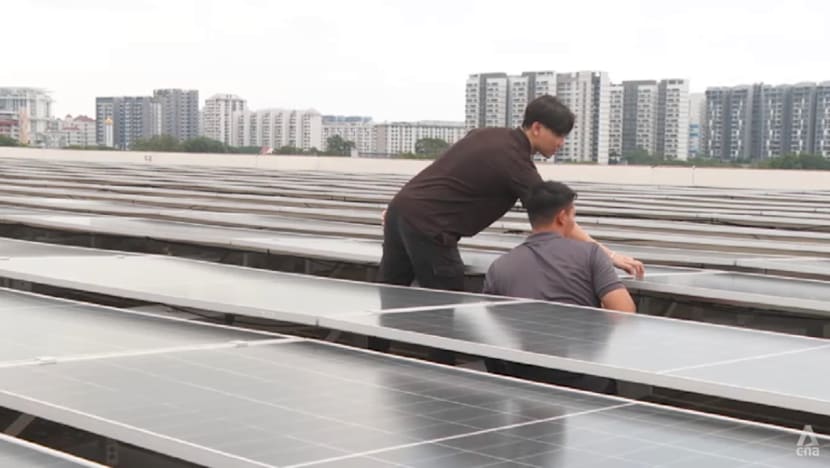
Local solar firms report a substantial increase in installations and enquiries, with demand quadrupling in some cases compared to earlier in the year. This surge is directly linked to unpredictable energy prices, exacerbated by international conflicts. Property managers are increasingly viewing underutilized rooftops as valuable assets, recognizing the strong economic case for solar energy in the current climate. The appeal extends to condominium residents, who are actively seeking ways to mitigate rising electricity costs.
Property managers are increasingly recognising that their rooftops are underutilised assets. With energy prices becoming more unpredictable, the economic case for solar has never been stronger.
However, the path to widespread solar adoption in condominiums is fraught with challenges. Unlike landed properties, condominiums often operate under a single main meter system, complicating the export of excess solar energy to the national grid. This limitation, coupled with shared rooftop spaces and the need for consensus from management councils and residents, presents significant hurdles. Furthermore, rising material costs, driven by global supply chain issues, are increasing upfront expenses for solar installations. Despite these obstacles, the long-term savings offered by solar power, with estimated break-even periods of around four years, continue to make it an attractive proposition for many Singaporeans looking for energy independence and cost predictability.
Not just oil prices have been affected. Even metal prices, silver prices have all been affected. The cost of materials, even when we supply directly from China, have increased.
DistantNews Editorial
Originally published by CNA. Summarized and contextualized by our editorial team with added local perspective. Read our editorial standards.
More Stories

From Our Blog

What Gets Lost (and Found) When News Is Translated

The Critical Role of Diaspora Media in Global News

What Travellers Should Know About Countries with Restricted Press

A Digital Nomad's Guide to Following Local News

How the Same Story Looks Different in Different Countries
