

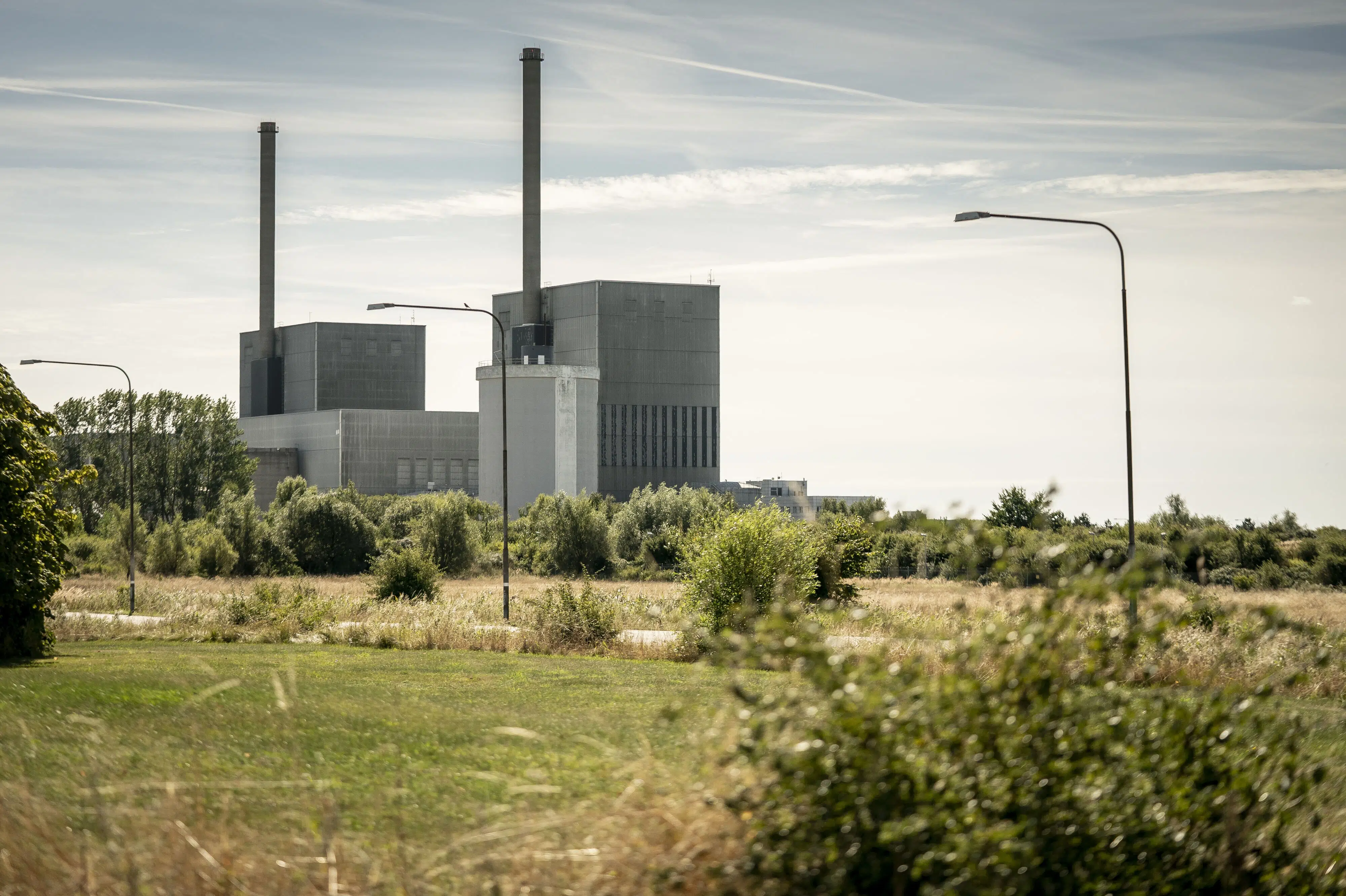

Denmark proposes prioritizing grid connections, pushing data centers back
Translated from Danish, summarized and contextualized by DistantNews.
At a glance
News
From a news agency
New plan
- The Danish government proposes an emergency plan to prioritize electricity grid connections, pushing power-hungry data centers to the back of the queue.
- The plan aims to give grid operators the ability to choose who connects, prioritizing essential services like defense and healthcare, as well as ordinary households, over foreign data centers.
- This initiative comes amid massive queues for grid connections and limited resources, with parliamentary discussions planned to establish a prioritization model.
Denmark's government is introducing an emergency plan to manage its strained electricity grid, a move that will push large data centers to the end of the connection queue. Climate, Energy, and Supply Minister Samira Nawa announced the proposal, which aims to give grid operators the power to select which new consumers connect to the network. Historically, the system operated on a first-come, first-served basis, but limited resources necessitate a change.
The new prioritization model will place societal needs at the forefront. This means essential sectors such as defense and healthcare, along with everyday citizens needing connections for electric vehicle chargers or heat pumps, will be prioritized. Foreign data centers, which are significant power consumers, will be placed at the back of the line. "It is not a ban on data centers. But we must not end up with Danish companies unable to get space on the electricity grid," Nawa stated, emphasizing the need for a clear prioritization when capacity is limited.
We will prioritize societal considerations, and then foreign data centers must go to the back. We will prioritize areas like defense and health, but also ordinary households and families who buy an electric car and need a charging station.
Parliamentary parties are set to discuss the issue, with the hope of developing a legislative proposal after the summer break. The urgency stems from a surge in demand for grid connections, outstripping Energinet's expansion efforts, which has drawn criticism, including from the state audit office. Energinet itself paused new connection agreements in March, with new ones not expected until autumn. For very large connections, the wait time could extend to five to ten years.
It is not a ban on data centers. But we must not end up with Danish companies unable to get space on the electricity grid. When there is limited space in the electricity grid, a prioritization must take place.
DistantNews Editorial
Originally published by Berlingske in Danish. Translated, summarized, and contextualized by our editorial team with added local perspective. Read our editorial standards.
More Stories

From Our Blog

What Gets Lost (and Found) When News Is Translated

The Critical Role of Diaspora Media in Global News

What Travellers Should Know About Countries with Restricted Press

A Digital Nomad's Guide to Following Local News

How the Same Story Looks Different in Different Countries
