


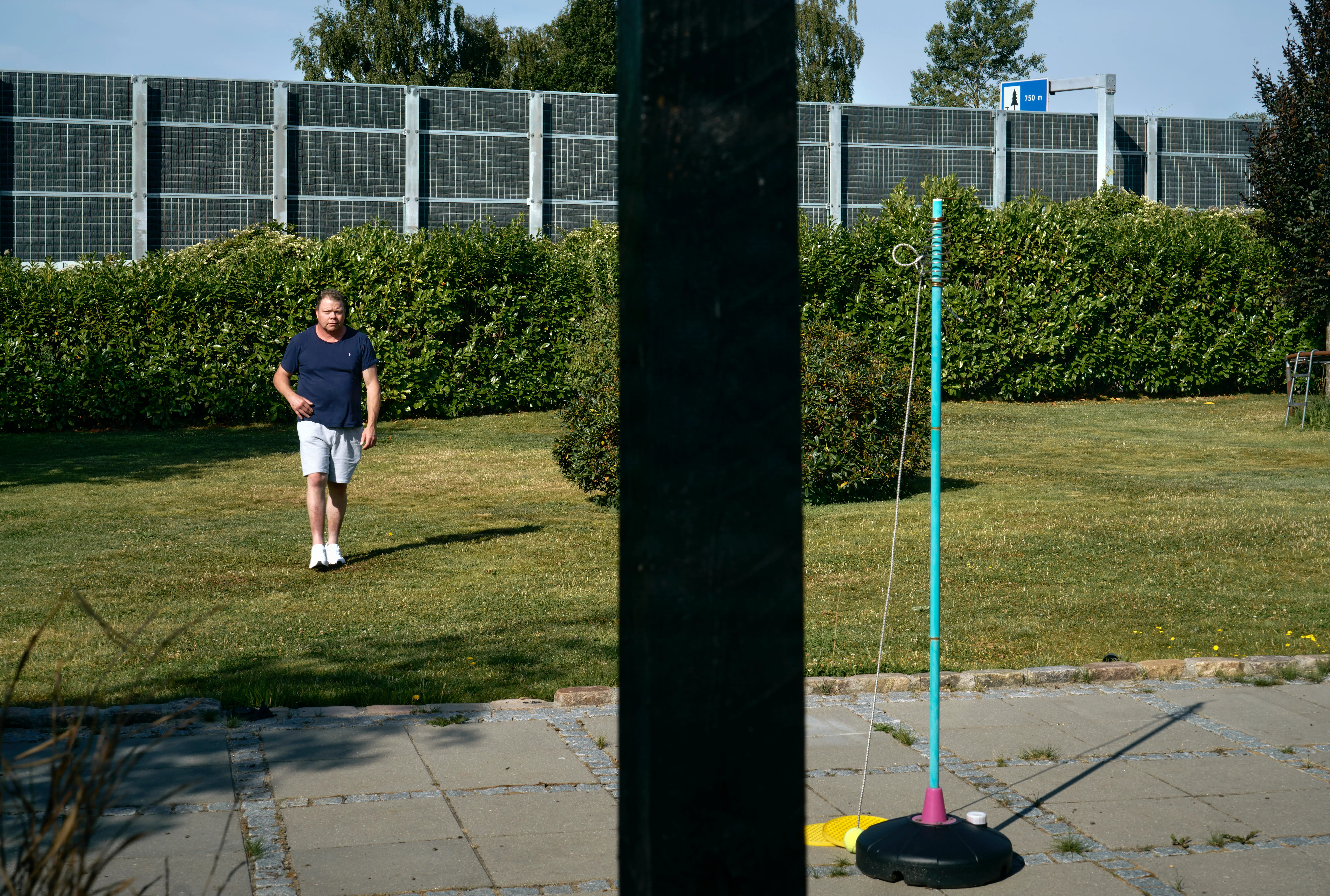
Denmark's Billion-Kroner Noise Barriers Fail to Silence Residents
Translated from Danish, summarized and contextualized by DistantNews.
At a glance
News
Sources not specified
Context piece
- Billions are being spent on noise barriers across Denmark, but residents report that noise levels remain unchanged or have worsened.
- Residents cannot prove the noise has worsened because measurements were not taken before or after construction.
- The Danish Road Directorate acknowledges that noise barriers cannot solve all noise problems.
Denmark is investing billions of kroner in constructing noise barriers along its highways, aiming to mitigate traffic noise for nearby residents. However, many people living in proximity to these new barriers report that the noise levels have either remained the same or, in some cases, have worsened.
The core issue preventing residents from substantiating their claims is the lack of noise measurements. Neither before the barriers were erected nor after their completion have official noise levels been recorded. This absence of data leaves residents unable to definitively prove that the barriers are ineffective or, worse, counterproductive.
While the Danish Road Directorate acknowledges that noise barriers are not a panacea for all noise-related issues, they maintain that the noise has not worsened. The directorate's stance, however, does little to address the lived experiences of residents who report persistent or increased noise pollution. The situation has led to frustration and a sense of helplessness among those affected, as they cannot provide concrete evidence to support their complaints.
The significant public expenditure on these barriers, coupled with the reported ineffectiveness, raises questions about the planning and execution of such infrastructure projects. Without proper measurement protocols, it remains difficult to assess the true impact of these multi-billion-kroner investments and to ensure they are delivering the intended benefits to the public.
DistantNews Editorial
Originally published by Berlingske in Danish. Translated, summarized, and contextualized by our editorial team with added local perspective. Read our editorial standards.
More Stories



From Our Blog

What Gets Lost (and Found) When News Is Translated

The Critical Role of Diaspora Media in Global News

What Travellers Should Know About Countries with Restricted Press

A Digital Nomad's Guide to Following Local News

How the Same Story Looks Different in Different Countries
