

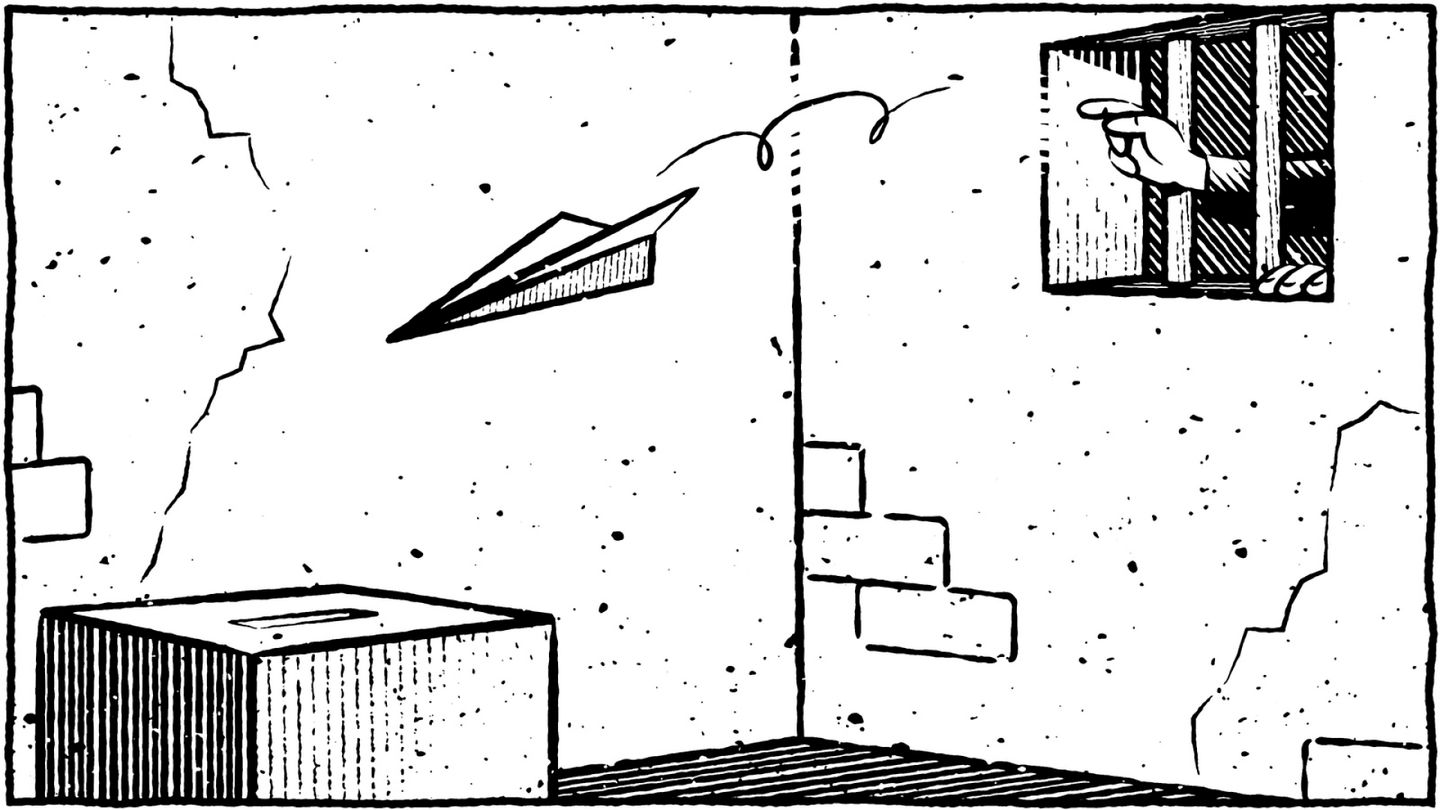

Denmark wants to send the first people to an EU return center outside the bloc next year
Translated from Finnish and summarized by DistantNews. Read the original for the full story.
At a glance
News
Named sources
New plan
- Denmark plans to send the first rejected asylum seekers to a return center outside the European Union next year, Immigration Minister Morten Bødskov says.
- Denmark is developing the model with Germany, Austria, the Netherlands and Greece, but ministers have not disclosed a possible host country.
- Rights officials warn that EU countries remain responsible for people sent to such centers, while Denmark says the facilities should allow eligible residents to live and work rather than operate as closed camps.
Denmark plans to send the first rejected asylum seekers to a return center outside the European Union next year, Immigration Minister Morten Bødskov said after a ministerial meeting in Copenhagen.
Denmark is preparing the center with Germany, Austria, the Netherlands and Greece. The ministers have not yet said where it could be located, saying negotiations are under way with several countries. Rwanda’s foreign minister recently confirmed to AFP that an EU officials’ delegation had visited to discuss setting up a return center. The Netherlands has previously held talks with Uganda on a similar arrangement.
Hopefully, at our next meeting we can already announce the host country.
“Hopefully, at our next meeting we can already announce the host country,” Greek Immigration Minister Thanos Plevris said.
Return centers form part of the EU’s new return regulation, agreed by member states and the European Parliament this summer. The regulation allows countries to send people whose asylum applications have been rejected to facilities outside the EU. At Friday’s meeting, ministers discussed what the centers might look like in practice.
This is not about camps.
Bødskov said public discussion had created a mistaken impression that the centers would be closed institutions. “This is not about camps,” he said. He described a model that would allow people who have no right to asylum in the EU and cannot be returned to their home countries to live and work.
That approach would differ from the model Italy is preparing in Albania, where migrants arriving by sea would wait in a closed facility while their asylum claims were processed. Italy’s plan has encountered legal problems and the facility is not yet operating.
People cannot be sent into a black hole.
Critics fear that people sent outside the EU could face human rights abuses. Rights groups and the EU Fundamental Rights Agency have highlighted those risks. “People cannot be sent into a black hole,” FRA Director Sirpa Rautio told Helsingin Sanomat. She said it is possible to operate a center while protecting human and fundamental rights, “but it is not easy.”
The agency says children should never be sent to return centers outside the EU. Member states and the European Parliament nevertheless agreed that minors could be sent if they travel with their parents.
But it is not easy.
About this summary
Originally published by Helsingin Sanomat in Finnish. Translated, summarized, and contextualized automatically by DistantNews, with a note on how the source frames the story. Not individually reviewed before publishing. How this works.
More Stories

From Our Blog

News in Translation: What Gets Lost, and How We Keep the Framing

Diaspora Media: How Communities Abroad Follow Home

Traveling Where the Press Is Not Free: How to Read the News There

The Digital Nomad's Guide to Local News

The Same Story, Different Countries: How Coverage Changes at the Border
