


Deputy Minister Urges DPRD to Optimize Oversight of Regional Budget Implementation
Translated from Indonesian, summarized and contextualized by DistantNews.
At a glance
News
Named sources
New plan
- Indonesia's Deputy Minister of Home Affairs urged regional DPRD members to optimize their oversight of regional budget (APBD) implementation.
- Oversight should focus on achieved results, not just administrative compliance, to ensure budgets benefit the public.
- The minister also highlighted the low realization of regional capital expenditure (12.64% as of June 2026) and called for more substantive budget discussions based on measurable performance indicators.
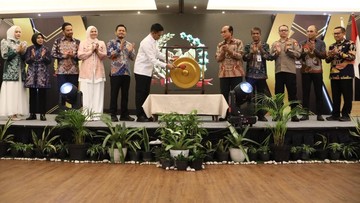
Indonesia's Deputy Minister of Home Affairs, Akhmad Wiyagus, has called upon Regional People's Representative Councils (DPRD) across the country to enhance their oversight functions regarding the implementation of regional budgets (APBD). Wiyagus stressed that this oversight must be results-oriented, moving beyond mere administrative checks to ensure that every rupiah of the budget provides tangible benefits and addresses community needs.
Speaking at a regional coordination meeting of the Association of Regency DPRD throughout Indonesia (ADKASI) for the Kalimantan Island in Banjarmasin, South Kalimantan, Wiyagus stated, "It is not enough for the DPRD to merely assess whether the budget has been absorbed; the DPRD must assess whether the budget has yielded results."
He specifically pointed to the low realization rate of regional capital expenditure, which stood at only 12.64% as of June 2026. Wiyagus urged DPRD members to pay serious attention to this issue through their oversight role, encouraging regional governments to accelerate the implementation of development programs, particularly infrastructure projects. This, he argued, would prevent funds from remaining idle in regional treasuries or banks.
Wiyagus also advocated for more substantive discussions and oversight processes during budget deliberations. He emphasized the use of measurable performance indicators, asserting that every budget policy should clearly answer four critical questions: what problem is being addressed, who will benefit, what results should be achieved, and when will these results be realized.
The minister expressed hope that the coordination forum would lead to concrete and measurable follow-up actions, rather than just normative recommendations. He urged participants to develop clear action plans with defined timelines, responsible parties, and success indicators for initiatives planned over 30, 60, and 90-day periods. The meeting was attended by various national and regional officials, including representatives from the DPD RI, KPK, Polri, and the Attorney General's Office.
It is not enough for the DPRD to merely assess whether the budget has been absorbed; the DPRD must assess whether the budget has yielded results.
DistantNews Editorial
Originally published by CNN Indonesia in Indonesian. Translated, summarized, and contextualized by our editorial team with added local perspective. Read our editorial standards.
More Stories


From Our Blog

What Gets Lost (and Found) When News Is Translated

The Critical Role of Diaspora Media in Global News

What Travellers Should Know About Countries with Restricted Press

A Digital Nomad's Guide to Following Local News

How the Same Story Looks Different in Different Countries
