


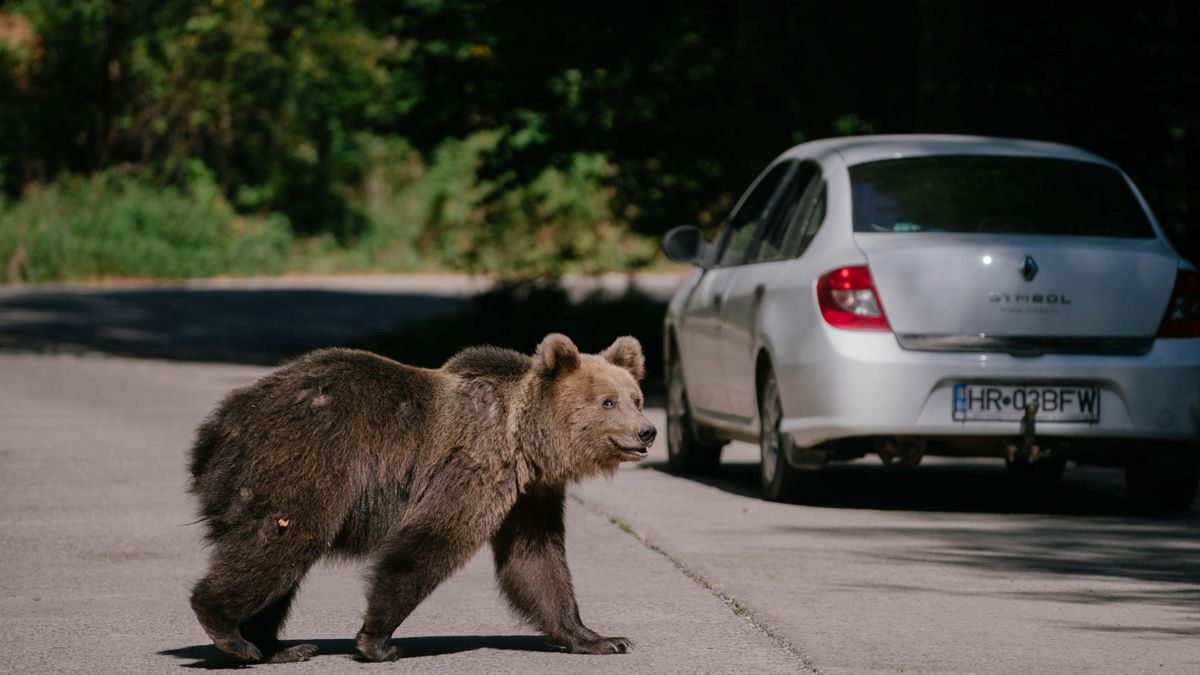
Deputy PM: President misunderstands bear threat as population triples
Translated from Hungarian, summarized and contextualized by DistantNews.
At a glance
News
Named sources
Context piece
- Romanian Deputy Prime Minister Tánczos Barna criticized the president's decision to return a bill aimed at regulating the bear population.
- He stated the president fails to grasp the severity of the tripled bear population and its continued growth.
- Local officials in Székelyudvarhely and Csíkszereda also expressed concern over increasing bear encounters impacting daily life and safety.
Romanian Deputy Prime Minister Tánczos Barna has sharply criticized the president's decision to reject a legislative bill designed to manage the country's burgeoning bear population. Barna argued that the president does not understand the gravity of the situation, stating, "If someone is unable to grasp that the bear population has tripled over the years, and this will continue if we don't stop it, then they are approaching this issue completely incorrectly."
The rejected bill aimed to regulate the overpopulation of bears, a measure Barna believes is crucial for public safety and ecological balance. He differentiated this from a preventive quota, emphasizing that the bill focused on identifying and managing problematic individuals within the already overabundant bear population.
Local officials echoed these concerns. Béla Bors, deputy mayor of Csíkszereda, described the decision to send back the regulation bill as irresponsible. He highlighted the daily reality for residents living in areas where encounters with bears, even within city limits, are a constant threat. Similarly, Dávid Endre, deputy mayor of Székelyudvarhely, reported a significant increase in bear-related incidents this year, with multiple alerts occurring on single days, particularly during the mating season. These officials emphasize that the growing bear presence poses an escalating problem for their communities.
If someone is unable to grasp that the bear population has tripled over the years, and this will continue if we don't stop it, then they are approaching this issue completely incorrectly.
DistantNews Editorial
Originally published by Magyar Nemzet in Hungarian. Translated, summarized, and contextualized by our editorial team with added local perspective. Read our editorial standards.
More Stories



From Our Blog

Countries Without a Free Press: What You Need to Know

What Press Freedom Means for the News You Read

What Gets Lost (and Found) When News Is Translated

The Critical Role of Diaspora Media in Global News

What Travellers Should Know About Countries with Restricted Press
