

Despite Falling Starts, Seoul Housing Prices Face 'Double-Edged Rise' Pressure
Translated from Korean, summarized and contextualized by DistantNews.
At a glance
Opinion
Sources not specified
Context piece
- Despite government promises to increase housing supply, housing starts in Seoul have decreased, exacerbating concerns.
- A combination of a semiconductor boom and a rising stock market has injected liquidity into the real estate market, pushing prices up.
- The article warns of a 'double-edged rise' in housing prices due to both supply shortages and increased liquidity, urging swift preparation.
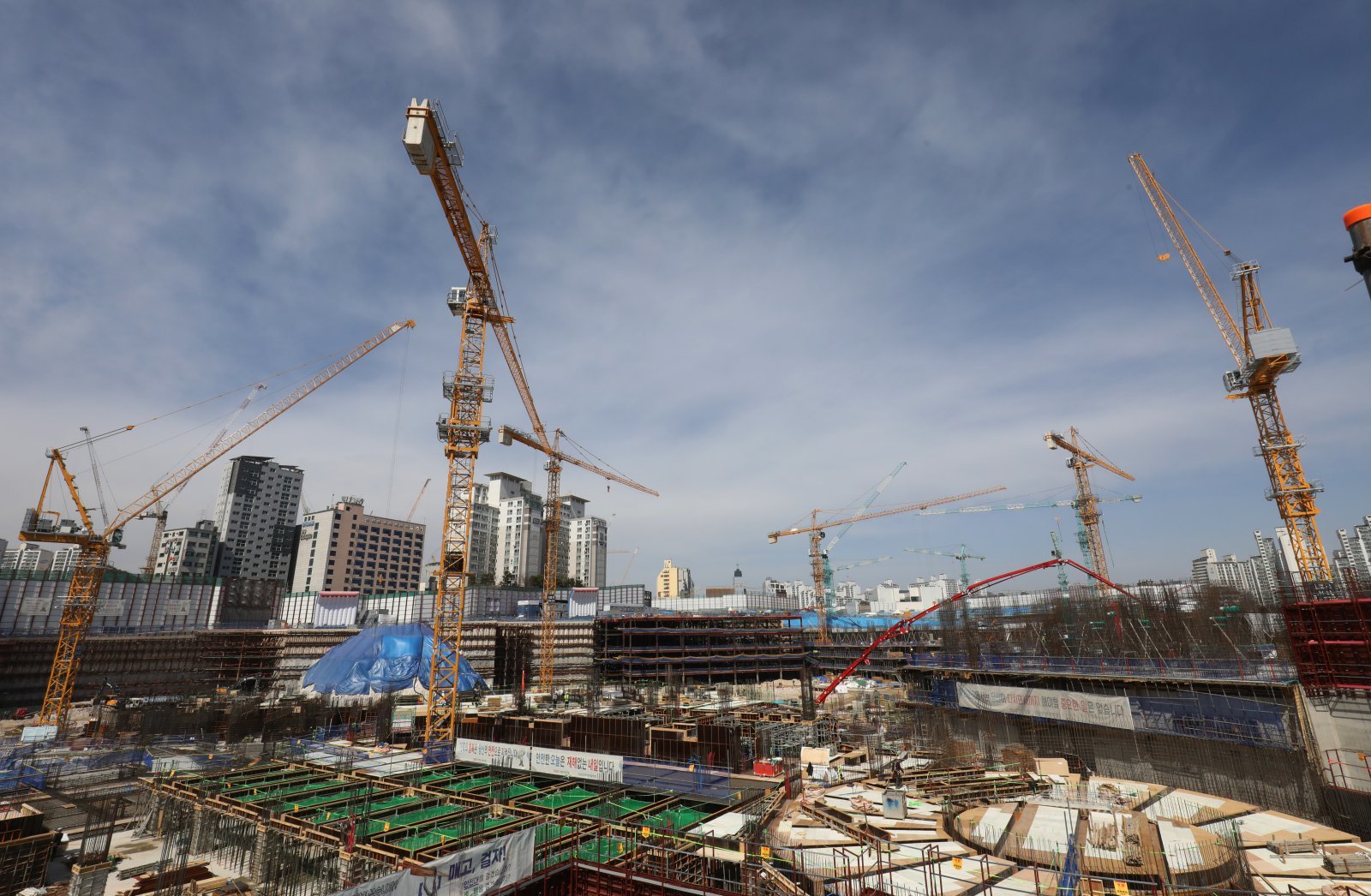
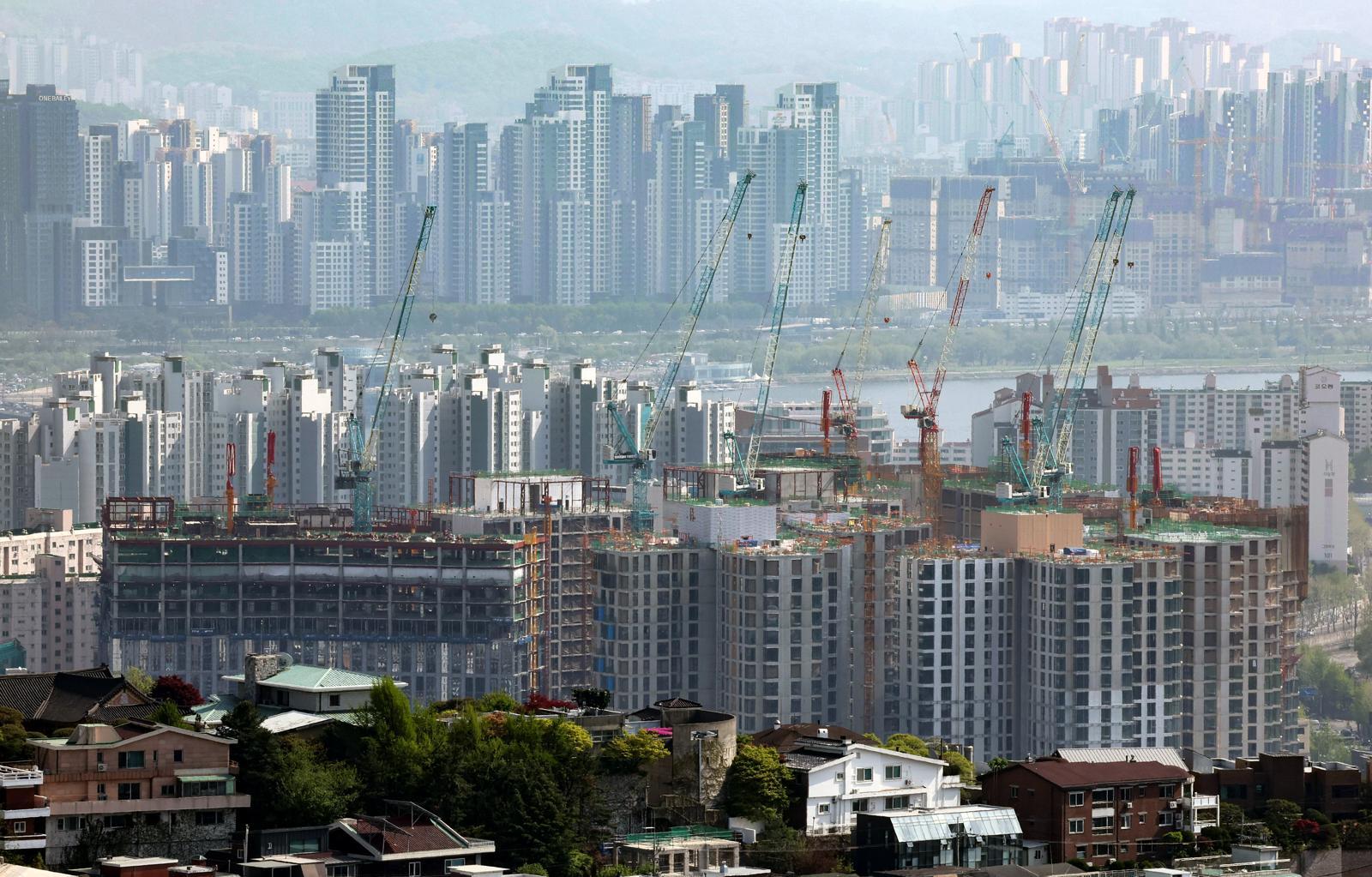
South Korea faces a growing housing crisis, with a stark contrast between government pledges to boost supply and the reality of declining construction starts. In the first four months of this year, housing starts in the Seoul metropolitan area reached only 37,170 units, far below the government's target of an average of 270,000 units annually until 2030. Seoul alone saw a 16% decrease in housing starts compared to the previous year, with April experiencing a sharp 45.5% drop.
This supply shortage is compounded by a surge in liquidity. A booming semiconductor industry and a strong stock market have released significant funds, much of which is now flowing into the real estate sector. This influx of capital, combined with the lack of new housing, creates a dangerous "double-edged rise" scenario where both demand and prices are being pushed upward simultaneously.
The situation is further complicated by issues in both private and public housing development. Private construction remains sluggish due to rising costs and troubled real estate project financing. Meanwhile, the state-run Korea Land and Housing Corporation (LH), responsible for public housing, has been without a permanent head for eight months, operating under a series of acting leaders. This leadership vacuum hinders the progress of essential public housing initiatives.
Compounding the problem, key urban development projects, such as the 10,000-unit supply plan for the Yongsan International Business District and the 9,800-unit plan in Gwacheon, are stalled due to opposition from local governments. Critics point to a lack of policy coordination and execution by the Ministry of Land, Infrastructure, and Transport. The article argues that Seoul city's insistence on office building construction over housing, despite anticipated lower office demand due to AI, and Gwacheon's mayor's commitment to not relocate a racetrack, are also contributing to the housing shortage.
Presidential policy advisor Kim Yong-beom expressed concern that housing demand will continue to surge for at least two to three more years. The article criticizes the government's inaction in the face of a predictable crisis, urging a "full-scale war" on housing supply. It calls for a comprehensive review of all available solutions, regardless of political considerations, emphasizing the urgent need for decisive action rather than debate.
At least for the next 2 to 3 years, (demand) seems like it will pour in more.
DistantNews Editorial
Originally published by Dong-A Ilbo in Korean. Translated, summarized, and contextualized by our editorial team with added local perspective. Read our editorial standards.
More Stories

From Our Blog

What Gets Lost (and Found) When News Is Translated

The Critical Role of Diaspora Media in Global News

What Travellers Should Know About Countries with Restricted Press

A Digital Nomad's Guide to Following Local News

How the Same Story Looks Different in Different Countries
