

Detention Center Near World Cup Venue Becomes Symbol of Immigration Controversy
Translated from Finnish, summarized and contextualized by DistantNews.
At a glance
News
Named sources
Context piece
- A detention center called Delaney Hall, located near Newark Liberty International Airport, has become a symbol of the Trump administration's immigration policies.
- Activists and detainees have protested conditions inside the facility, including alleged mistreatment and a hunger strike, calling it a modern-day concentration camp.
- The private company operating the facility, Geo Group, faces lawsuits over detainee labor practices, with allegations of low wages and poor conditions.
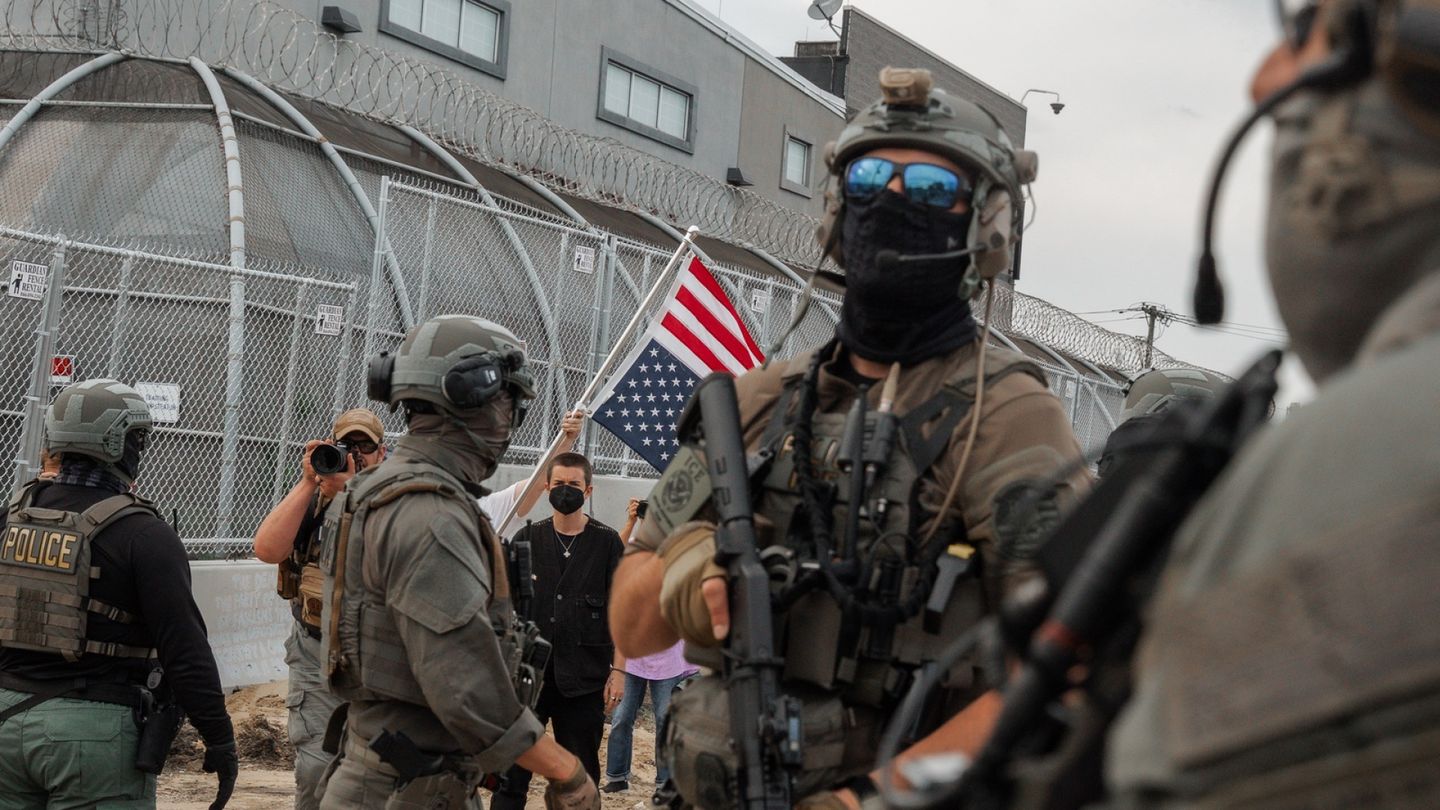
Delaney Hall, a 1,000-bed immigration detention center near Newark Liberty International Airport, stands in stark contrast to the nearby fanfare of the FIFA World Cup. Dubbed a "modern-day concentration camp" by critics, the facility has become a focal point for protests against the Trump administration's immigration policies.
Activists report that a hunger strike, which began in late May, was concluding at Delaney Hall as the first World Cup matches kicked off. For weeks, demonstrations have been held almost daily outside the center. Detainees, including those who are elderly, very young, or have serious illnesses, are demanding release. Protesters have also highlighted the alleged mistreatment of detainees, citing reports of scalding showers, contaminated food, and denied medical care, even for cancer patients.
The facility is operated by the private prison company Geo Group, which runs similar centers across the United States. These centers have faced scrutiny over their use of detainee labor. Detainees reportedly perform tasks such as facility maintenance and food preparation for as little as $1 per day. Geo Group maintains that these work programs are voluntary and that compensation complies with federal regulations. However, lawsuits have been filed against the company regarding these labor practices.
Oversight of facilities like Delaney Hall has reportedly weakened since the abolition of the ombudsman's office for immigrant detention this year. Restrictions on political visits in May further limited access to information about conditions inside. Despite these challenges, politicians have continued to visit and speak with detainees, bringing their accounts to the public.
They live in prison conditions, and none of these people are criminals.
DistantNews Editorial
Originally published by Helsingin Sanomat in Finnish. Translated, summarized, and contextualized by our editorial team with added local perspective. Read our editorial standards.
More Stories

From Our Blog

What Gets Lost (and Found) When News Is Translated

The Critical Role of Diaspora Media in Global News

What Travellers Should Know About Countries with Restricted Press

A Digital Nomad's Guide to Following Local News

How the Same Story Looks Different in Different Countries
