

Digital Deal: US and Iran Sign MoU, Negotiations to Begin in Switzerland
Translated from English, summarized and contextualized by DistantNews.
At a glance
Analysis
Sources not specified
New plan
- The US and Iran have digitally signed a memorandum of understanding, with Pakistan's PM mediating.
- The deal, details of which are emerging, reportedly includes ending military operations in Lebanon and non-interference in each other's affairs.
- It also mentions potential sanctions relief, uranium downblending, unlocking frozen funds, and significant reconstruction funds for Iran, drawing criticism from Israel and US hawks.
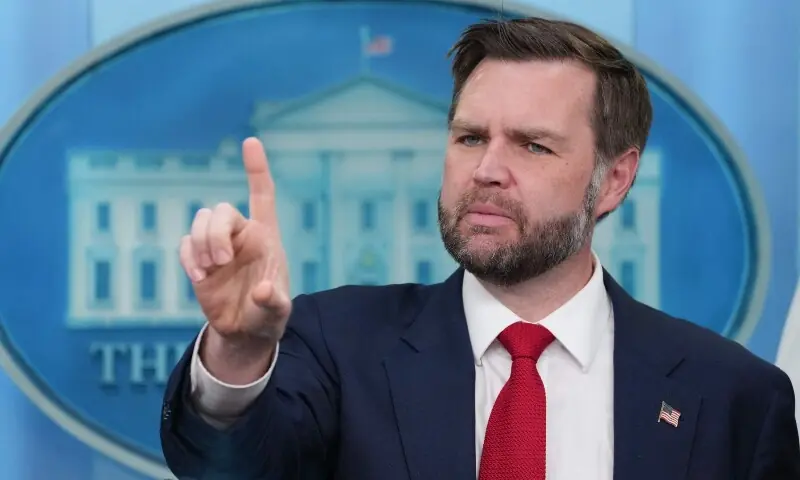
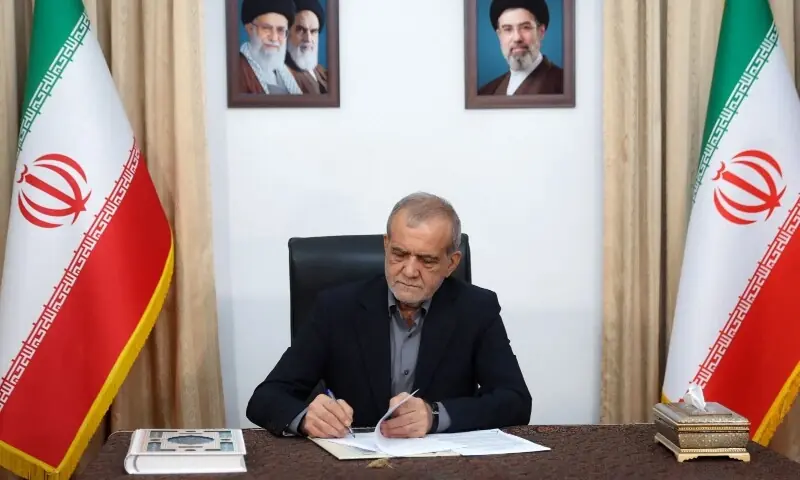
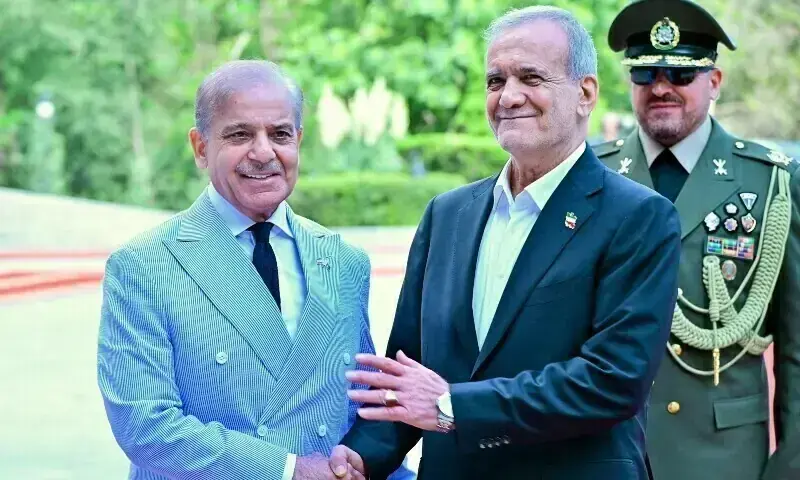
A significant digital agreement has been reached between the United States and Iran, mediated by Pakistani Prime Minister Shehbaz Sharif, with both presidents reportedly signing the memorandum of understanding (MoU) digitally. The actual negotiations are set to commence in Switzerland, where representatives will work on implementing the 14-point MoU.
While a physical copy of the deal remains unavailable, media reports, citing a US official, suggest the MoU includes points that could offer Iran a more favorable outcome than the previous Obama-era JCPOA. Key provisions reportedly include the termination of all military operations in Lebanon, a demand that has caused considerable concern in Israel. Additionally, the agreement states that neither country will interfere in the other's internal affairs, potentially signaling an end to US-backed regime change efforts in Iran.
The reported terms also touch upon lifting sanctions on Tehran, downblending Iranian uranium under IAEA supervision, releasing frozen funds, and allocating $300 billion for Iran's reconstruction and economic development, which some interpret as war reparations. These potential concessions have sparked strong protests from Israel and anti-Iran factions in Washington.
Analysts suggest that the Trump administration might inadvertently be paving the way for Iran's regional and global reintegration through this agreement, rather than isolating the Islamic Republic. However, the path to a final agreement is acknowledged as long and complex, with potential obstacles, particularly from Israel, which has continued attacks despite the MoU's mention of ending hostilities in Lebanon.
For the deal to succeed, the US must maintain a firm stance with Israel. The success of the Swiss talks in normalizing relations between the US and Iran, and between Iran and its Gulf neighbors, is seen as crucial for easing the global economic crisis exacerbated by the war. Sincerity from both sides and a disregard for provocations from elements seeking to disrupt peace are deemed essential.
DistantNews Editorial
Originally published by Dawn in English. Translated, summarized, and contextualized by our editorial team with added local perspective. Read our editorial standards.
More Stories
From Our Blog

What Gets Lost (and Found) When News Is Translated

The Critical Role of Diaspora Media in Global News

What Travellers Should Know About Countries with Restricted Press

A Digital Nomad's Guide to Following Local News

How the Same Story Looks Different in Different Countries
