


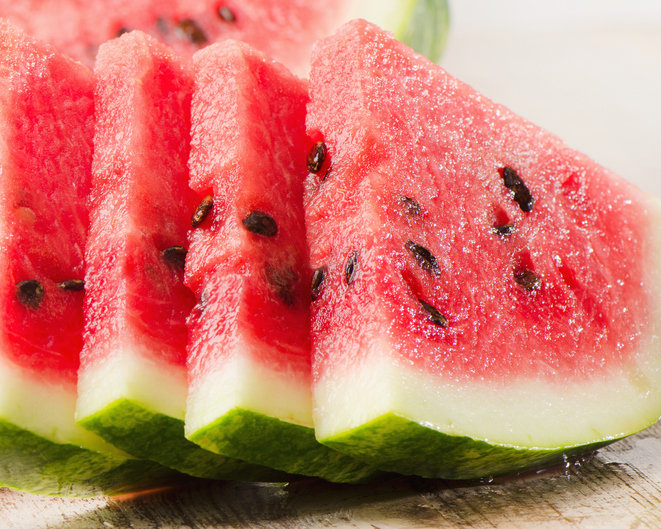
Discarded watermelon rinds now a food ingredient as U.S. Agriculture Department officially registers nutritional info
Translated from Korean, summarized and contextualized by DistantNews.
At a glance
News
Sources not specified
Context piece
- The U.S. Department of Agriculture has officially registered nutritional information for watermelon rinds in its FoodData Central database.
- While not a new superfood, this standardization allows nutritionists and food companies to utilize watermelon rinds in recipes and diets.
- Watermelon rinds contain dietary fiber, potassium, and vitamin C, with experts noting higher concentrations of citrulline, beneficial for blood vessel health, in the rind than the flesh.
Watermelon rinds, often discarded as waste, are gaining recognition as a potential food ingredient. The U.S. Department of Agriculture (USDA) has added nutritional information for watermelon rinds to its FoodData Central database, a move that standardizes data for researchers and the food industry.
According to USDA data, about 50 grams of raw, diced watermelon rind contains 10 calories, 1 gram of dietary fiber, 140 milligrams of potassium, and 4 milligrams of vitamin C. The rind is particularly noted for its higher fiber content, primarily insoluble fiber, which aids digestion and promotes regular bowel movements.
Experts also highlight the presence of citrulline in watermelon rinds, especially in the white part between the flesh and the outer green peel. Citrulline converts to arginine in the body, an amino acid essential for producing nitric oxide, which helps relax blood vessels and improve blood flow. This has led to ongoing research into citrulline's potential benefits for cardiovascular health and athletic performance.
However, it's cautioned that the amounts of citrulline studied for health benefits are significantly higher than what is typically consumed through normal watermelon intake. Therefore, watermelon rinds are best viewed as a way to utilize a previously discarded part of the fruit rather than a specific health supplement. Simple preparations include pickling, stir-frying, or adding to salads, but caution is advised to avoid excessive salt or sugar in recipes. Consuming large amounts initially may also cause digestive discomfort due to the high fiber content. Proper washing of the rind before preparation is crucial to remove surface contaminants.
DistantNews Editorial
Originally published by Dong-A Ilbo in Korean. Translated, summarized, and contextualized by our editorial team with added local perspective. Read our editorial standards.
More Stories



From Our Blog

What Gets Lost (and Found) When News Is Translated

The Critical Role of Diaspora Media in Global News

What Travellers Should Know About Countries with Restricted Press

A Digital Nomad's Guide to Following Local News

How the Same Story Looks Different in Different Countries
