


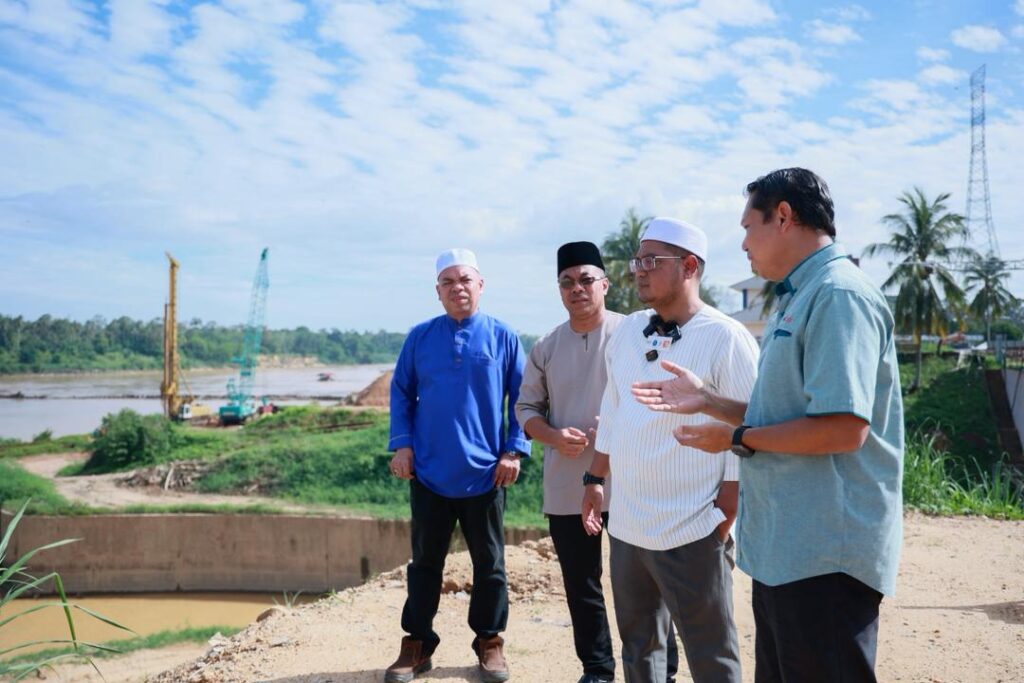
Disobeying KADA orders, farmers bear their own losses
Translated from Malay, summarized and contextualized by DistantNews.
At a glance
News
Named sources
Context piece
- Over 7,400 farmers under the Kemubu Agricultural Development Authority (KADA) risk financial losses if they deviate from the agency's planting schedule.
- KADA can now guarantee water supply to about 95% of its paddy fields, enabling stricter adherence to the schedule.
- Farmers not following the schedule will be excluded from official reports, losing eligibility for incentives and takaful insurance coverage.
More than 7,400 farmers supervised by the Kemubu Agricultural Development Authority (KADA) face significant financial repercussions if they fail to adhere to the agency's official planting schedule. This stricter enforcement comes as KADA reports it can now guarantee water supply to approximately 95% of its paddy cultivation areas.
If they are excluded from our paddy planting reports, they will suffer significant losses. They will not receive incentives, nor will they be covered by the takaful scheme.
Mohd. Faizul Mustafa, KADA's General Manager, explained that farmers who plant outside the designated schedule will not be included in the agency's official planting reports. This exclusion means they will be ineligible for crucial incentives and protection under the takaful insurance scheme, which is designed to safeguard farmers operating within the official framework.
"If they are excluded from our paddy planting reports, they will suffer significant losses. They will not receive incentives, nor will they be covered by the takaful scheme," Faizul stated. He emphasized that any losses incurred by farmers outside the schedule must be borne by themselves, as the takaful scheme specifically protects those who follow the official calendar and are part of KADA's reporting system.
The losses incurred must be borne by themselves because the takaful scheme only protects farmers who follow the schedule and are included in KADA's official reports.
The planting schedule for the first season of 2026 began in early June and is expected to conclude by the end of October, with harvesting anticipated by the second or third week of November. Faizul expressed confidence that adherence to the schedule would allow for harvests before the monsoon season, barring unforeseen events like early floods. KADA aims to cultivate about 95% of its over 24,500 hectares of paddy fields this season, targeting an estimated production of 200,000 tons of rice, contingent on favorable weather and uninterrupted operation of the irrigation system.
If everyone follows the schedule, God willing, we can harvest before the floods. Unless something unexpected happens, like the floods coming earlier.
DistantNews Editorial
Originally published by Utusan Malaysia in Malay. Translated, summarized, and contextualized by our editorial team with added local perspective. Read our editorial standards.
More Stories

From Our Blog

What Gets Lost (and Found) When News Is Translated

The Critical Role of Diaspora Media in Global News

What Travellers Should Know About Countries with Restricted Press

A Digital Nomad's Guide to Following Local News

How the Same Story Looks Different in Different Countries
