


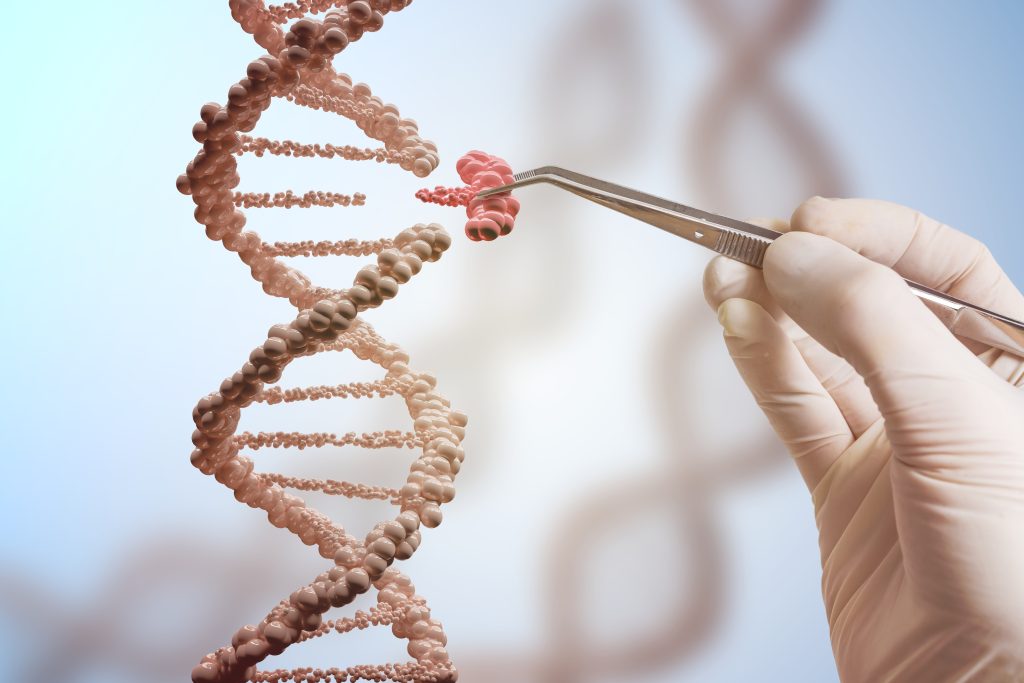
DNA analysis restores identity for thousands of child trafficking victims
Translated from Greek, summarized and contextualized by DistantNews.
At a glance
News
Sources not specified
Outcome reported
- A pioneering Spanish program uses DNA analysis to combat child trafficking, restoring the identity of nearly 4,000 children in 16 countries over two decades.
- The DNA-ProKids program, established in 2004, has also prevented over 300 illegal adoptions.
- The initiative emphasizes that identifying trafficked children and reuniting them with their families is crucial for restoring their fundamental rights.
A groundbreaking Spanish initiative is using DNA analysis to combat child trafficking, successfully restoring the identities of nearly 4,000 children across 16 countries in the past two decades. The DNA-ProKids program, launched in 2004 at the University of Granada, has also thwarted more than 300 illegal adoptions, providing a powerful tool in the global fight against child trafficking.
Marking the World Day Against Trafficking in Persons on July 30, program officials highlighted that rescuing a child is merely the first step. Without proper identification and reunification with their biological families, many of these children's fundamental rights remain unfulfilled.
Since its inception, DNA-ProKids has conducted over 20,000 genetic analyses, leading to nearly 4,000 positive identifications. The program's success lies in comparing genetic profiles of unidentified children with DNA samples from relatives searching for missing children. When a match is found, authorities can confirm kinship and facilitate family reunification.
The same technology is employed to verify the legality of adoptions, ensuring that declared parents are indeed the biological ones and helping to dismantle illegal networks exploiting minors. Program founder José Antonio Lorente stresses the importance of identification for restoring rights and enabling family reunion. Despite its success, the program advocates for systematic integration of genetic identification into international policies against child trafficking, calling for standardized protocols for data collection and comparison.
The rescue of a child is only the first step. If we do not know who they are and where they come from, we cannot fully restore their rights nor give their family the chance to find them again.
DistantNews Editorial
Originally published by Ta Nea in Greek. Translated, summarized, and contextualized by our editorial team with added local perspective. Read our editorial standards.
More Stories



From Our Blog

What Gets Lost (and Found) When News Is Translated

The Critical Role of Diaspora Media in Global News

What Travellers Should Know About Countries with Restricted Press

A Digital Nomad's Guide to Following Local News

How the Same Story Looks Different in Different Countries
