


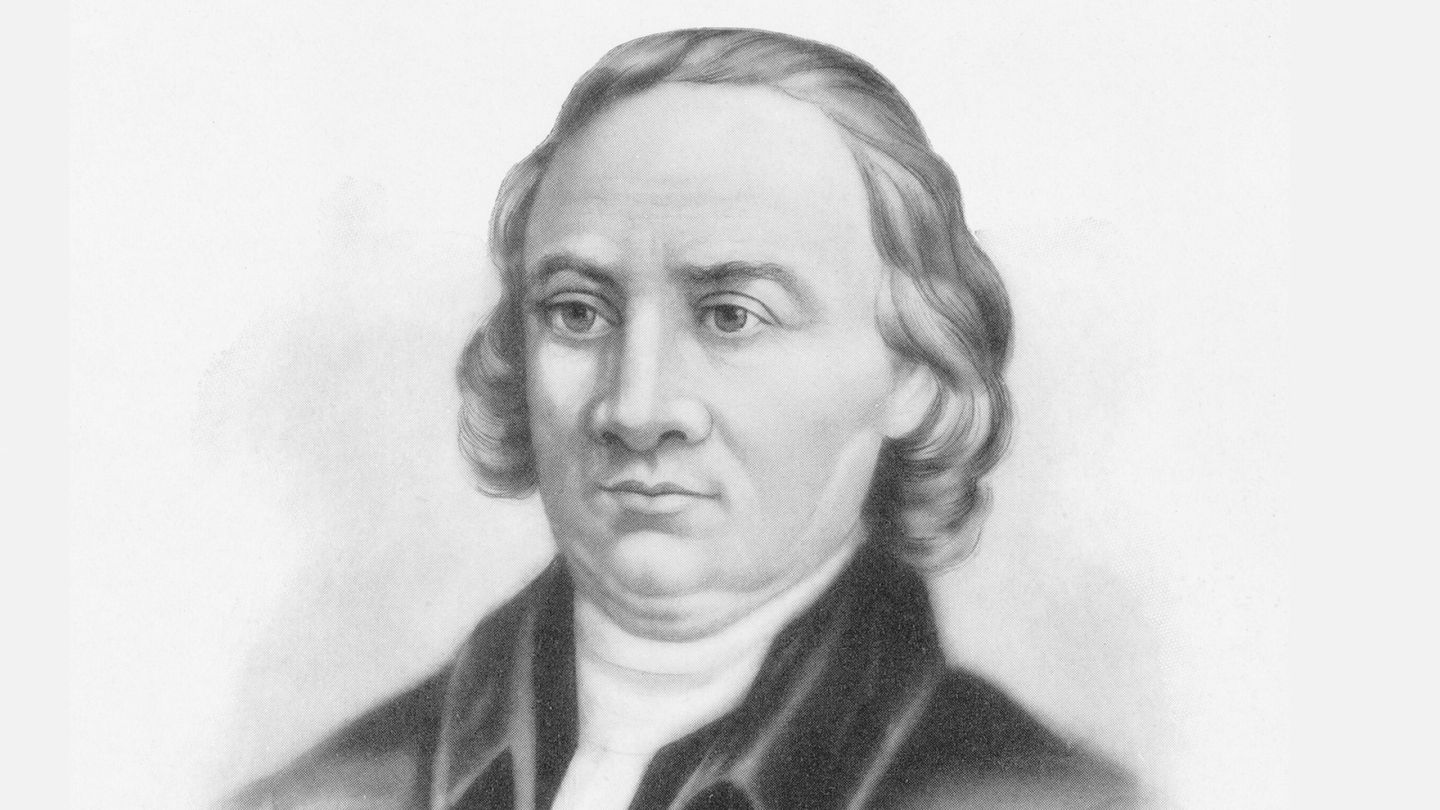
DNA Study Questions Finnish Origin of U.S. Founding Father John Morton
Translated from Finnish, summarized and contextualized by DistantNews.
At a glance
News
Sources not specified
Context piece
- A recent DNA study challenges the long-held belief that John Morton, a signatory of the U.S. Declaration of Independence, was from Rautalampi, Finland.
- For a century, Finnish sources have claimed Morton's origins were in Rautalampi, but new research suggests this narrative is incorrect.
- The article notes that the most famous portrait of Morton may not even depict him.
A recent DNA study has cast doubt on the widely accepted narrative that John Morton, a Finnish-born signatory of the U.S. Declaration of Independence, hailed from Rautalampi, Finland. For the past century, Finnish accounts have consistently identified Rautalampi as Morton's place of origin, but this new genetic research suggests that this long-standing claim may be inaccurate.
The article highlights the significance of John Morton in American history as one of the signers of the Declaration of Independence in 1776. He was a surveyor from Pennsylvania. The narrative of his Finnish roots has been a point of pride and connection for some in Finland, often cited as an example of Finnish contribution to the founding of the United States.
Furthermore, the report points out that even the most recognized portrait attributed to John Morton might not actually be of him. This adds another layer of uncertainty to the historical understanding of this American founding father. The discrepancy between historical accounts and new scientific findings underscores the ongoing process of historical research and revision.
DistantNews Editorial
Originally published by Helsingin Sanomat in Finnish. Translated, summarized, and contextualized by our editorial team with added local perspective. Read our editorial standards.
More Stories



From Our Blog

What Gets Lost (and Found) When News Is Translated

The Critical Role of Diaspora Media in Global News

What Travellers Should Know About Countries with Restricted Press

A Digital Nomad's Guide to Following Local News

How the Same Story Looks Different in Different Countries
