


DNA testing helps identify fallen soldiers decades after their sacrifice in Vietnam
Translated from Vietnamese, summarized and contextualized by DistantNews.
TLDR
- Vietnamese authorities identified the remains of eight fallen soldiers and five artillerymen who died in 1972 at Hang Tám Cô, Quảng Trị province, through DNA testing.
- The discovery and identification were part of a search and collection effort by Team 589, with DNA analysis provided by Gene Story and supported by socialized funding.
- This success highlights the effectiveness of DNA identification in locating and identifying martyrs, with the Ministry of Public Security building a large DNA database for martyrs' relatives.
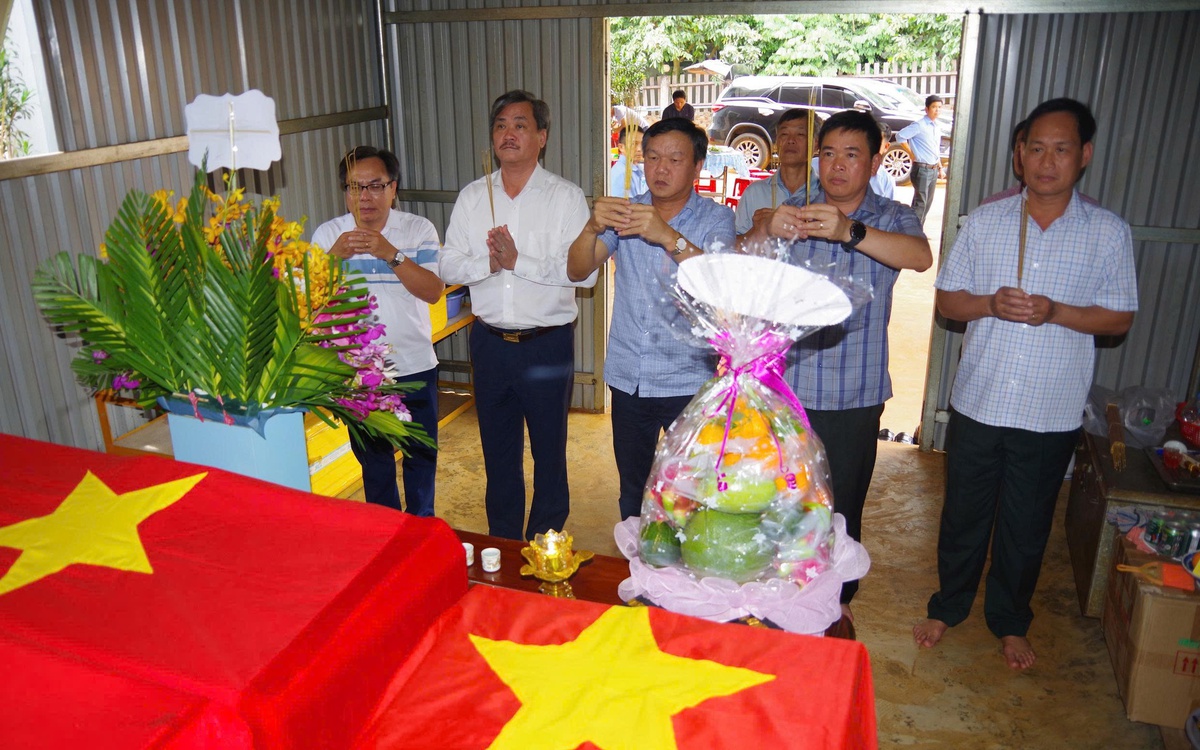
Thanh Niên, a leading Vietnamese newspaper, reports on a deeply moving event in Quảng Trị province where the remains of eight young volunteers and five artillery soldiers, who perished heroically in 1972 at Hang Tám Cô, were finally identified and laid to rest. This story underscores Vietnam's unwavering commitment to honoring its fallen heroes, a national priority that resonates profoundly across the country.
The article details the meticulous search and collection efforts by Team 589, leading to the discovery of the remains. The crucial breakthrough came with DNA testing, facilitated by Gene Story and socialized funding, which matched eight DNA samples with the soldiers' relatives. This scientific precision brings closure to families who have waited over half a century for definitive answers.
The reunion at Hang Tám Cô, filled with tears, is clear evidence of the effectiveness of the DNA identification method in searching for and identifying martyrs.
From a Vietnamese perspective, the identification of martyrs is not merely a procedural task; it is a sacred duty and a matter of national pride. The story emphasizes the emotional reunions, like that of Nguyễn Tiến Minh with his brother Nguyễn Quốc Hội, which exemplify the deep familial and national bonds. The article also highlights the broader national initiative led by the Ministry of Public Security to create a comprehensive DNA database for martyrs' relatives, aiming to identify thousands more unidentified remains.
This report showcases the technological advancements, particularly in DNA analysis, being employed to fulfill this national mission. The dedication of authorities, including the police in Quảng Trị province, who go to great lengths, even visiting elderly and infirm relatives at home, to collect DNA samples, reflects the profound respect and gratitude the nation holds for those who sacrificed their lives. The successful identification at Hang Tám Cô serves as a powerful testament to this ongoing commitment, ensuring that no one is forgotten.
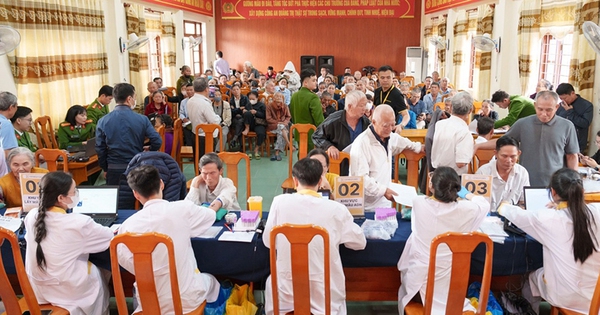
With relatives who are elderly and have weak health, unable to travel, the delegation sent officials directly to their place of residence to collect samples, ensuring that no eligible case is missed.
DistantNews Editorial
Originally published by Thanh Niên in Vietnamese. Translated, summarized, and contextualized by our editorial team with added local perspective. Read our editorial standards.
More Stories


From Our Blog

What Gets Lost (and Found) When News Is Translated

The Critical Role of Diaspora Media in Global News

What Travellers Should Know About Countries with Restricted Press

A Digital Nomad's Guide to Following Local News

How the Same Story Looks Different in Different Countries
