


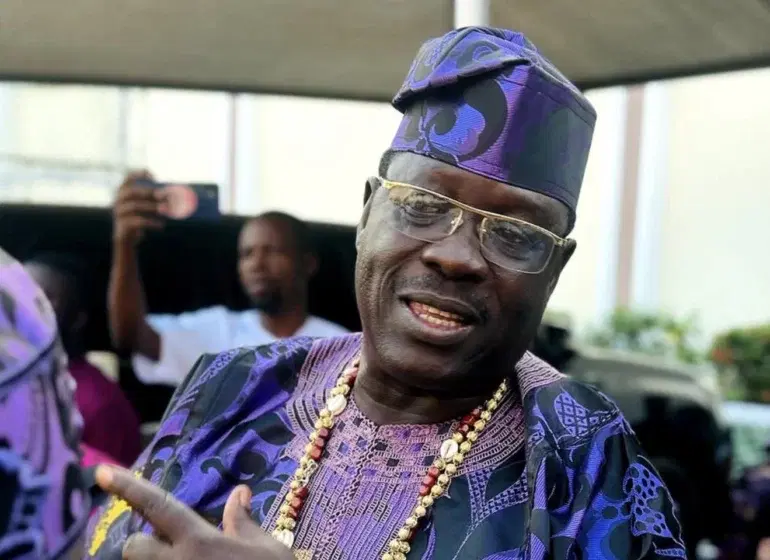
Doctor Clarifies 'Stage-Four Cancer Doesn't Mean Hospitals Refuse Treatment' for Actor Ogogo
Translated from English, summarized and contextualized by DistantNews.
At a glance
News
Named sources
Context piece
- Dr. Olusina Ajidahun clarified that veteran Nollywood actor Taiwo Hassan, known as Ogogo, being in stage-four cancer does not mean hospitals are refusing treatment.
- Stage-four cancer indicates the disease has spread, potentially shifting treatment focus to palliative care for symptom management and quality of life.
- Ajidahun cautioned that framing the situation as a hospital refusal could unfairly stigmatize healthcare workers and create hostility.
A medical doctor has stepped in to clarify the public understanding of veteran Nollywood actor Taiwo Hassan's, popularly known as Ogogo, battle with stage-four cancer, addressing concerns that hospitals might be refusing him treatment.
Dr. Olusina Ajidahun, also known as The Bearded Dr Sina on X, explained that the description of stage-four cancer should not be misconstrued as hospitals abandoning patients. His clarification comes after Ogogo's daughters publicly appealed for help, stating their father urgently needed medical attention and that hospitals were allegedly refusing to continue his treatment.
Stage-four cancer means the disease has spread from its original site to other parts of the body, and at that point, the treatment approach may change, depending on the type of cancer, how far it has spread and the patient’s overall condition.
"Stage-four cancer means the disease has spread from its original site to other parts of the body, and at that point, the treatment approach may change, depending on the type of cancer, how far it has spread and the patient’s overall condition," Dr. Ajidahun stated. He elaborated that doctors might recommend palliative care when aggressive treatments are no longer deemed beneficial or safe. The goal of palliative care, he noted, is to manage pain and other symptoms, enhance comfort, and help the patient maintain the best possible quality of life.
When patients have stage 4 cancer and chemo and/or other therapies have been explored. There is a form of care called palliative care which is end-of-life care and care for terminal diseases because at the point of the disease you cannot treat it, but you can manage associated symptoms and give the person a good quality of life before death.
"When patients have stage 4 cancer and chemo and/or other therapies have been explored. There is a form of care called palliative care which is end-of-life care and care for terminal diseases because at the point of the disease you cannot treat it, but you can manage associated symptoms and give the person a good quality of life before death," he remarked.
Dr. Ajidahun cautioned against portraying the situation as a deliberate refusal by medical facilities, warning that such framing could create a negative perception of healthcare workers and potentially expose them to hostility. "Saying they don’t want to treat my father makes it look like they are intentionally rejecting him, and in the context of recent happenings in the health sector, it can trigger an insurrection and put a bad label on health care workers," he said. He stressed that transitioning a patient to palliative care does not signify a withdrawal of medical treatment but rather a potential shift in the goal of care, especially when further aggressive treatment might cause more harm than benefit.
Saying they don’t want to treat my father makes it look like they are intentionally rejecting him, and in the context of recent happenings in the health sector, it can trigger an insurrection and put a bad label on health care workers.
DistantNews Editorial
Originally published by Vanguard in English. Translated, summarized, and contextualized by our editorial team with added local perspective. Read our editorial standards.
More Stories


From Our Blog

How the Same Story Looks Different in Different Countries

What Gets Lost (and Found) When News Is Translated

The Critical Role of Diaspora Media in Global News

What Travellers Should Know About Countries with Restricted Press

A Digital Nomad's Guide to Following Local News
