

Doctor Sentenced for Fabricating Plagiarism Accusation
Translated from German, summarized and contextualized by DistantNews.
At a glance
News
Sources not specified
Outcome reported
- A German doctor has been sentenced to a two-year suspended prison sentence for fabricating a plagiarism accusation against a medical examiner.
- The 72-year-old doctor orchestrated a scheme using ghostwriters to create a fake scientific work from 1982, falsely claiming it contained passages from the examiner's 1987 dissertation.
- The court ordered the convicted doctor to pay 210,000 euros in restitution to the victim, whose career was nearly ruined by the false allegations.
A German court has handed a suspended two-year prison sentence to a 72-year-old doctor for orchestrating a elaborate plagiarism fabrication. The scheme aimed to discredit Matthias Graw, the head of Munich's legal medicine department.
The convicted doctor, driven by dissatisfaction with the autopsy of his mother who died in 2020, hired ghostwriters to produce a scientific work. This fake publication was designed to appear as if it originated in 1982, containing passages and figures from Graw's doctoral dissertation. The intention was to create the false impression that Graw had plagiarized this earlier work in his own 1987 dissertation.
The presiding judge described the act as having "very high criminal energy," highlighting the severe consequences for Graw. The renowned legal expert's "entire professional existence" was reportedly "almost at an end" due to the accusations. The sentence, which includes a significant restitution payment, aims to compensate Graw for the damage caused.
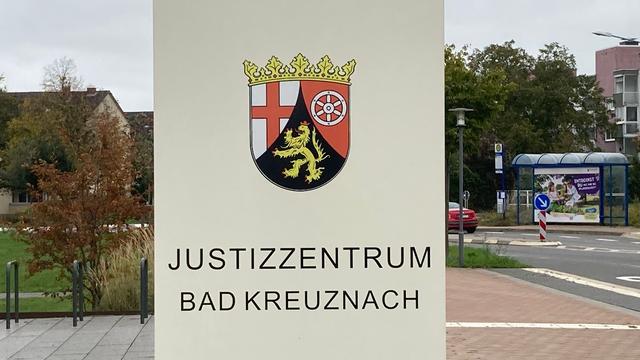
The regional court's decision overturned a previous ruling by the Munich District Court, which had sentenced the doctor to two and a half years in prison. As part of the suspended sentence, the convicted doctor must pay 210,000 euros to Graw, with 100,000 euros already paid. He also faces a 15,000 euro fine and is prohibited from making further plagiarism accusations or spreading false claims about his mother's death and the handling of her remains. The verdict is not yet legally binding, with a week allowed for appeals.
DistantNews Editorial
Originally published by Die Zeit in German. Translated, summarized, and contextualized by our editorial team with added local perspective. Read our editorial standards.
More Stories



From Our Blog

What Gets Lost (and Found) When News Is Translated

How the Same Story Looks Different in Different Countries

The Critical Role of Diaspora Media in Global News

What Travellers Should Know About Countries with Restricted Press

A Digital Nomad's Guide to Following Local News
