


Doctors Key to Preventing Next Ebola Outbreak, Say Nigerian Officials
Translated from English, summarized and contextualized by DistantNews.
At a glance
News
Sources not specified
Context piece
- Lagos State First Lady Dr. Ibijoke Sanwo-Olu urged sustained investment in disease surveillance and healthcare infrastructure.
- The Nigeria Centre for Disease Control and Prevention (NCDC) warned that frontline doctors are crucial in preventing future Ebola outbreaks.
- Doctors are urged to suspect Ebola in cases of unexplained fever, as symptoms can mimic common illnesses.
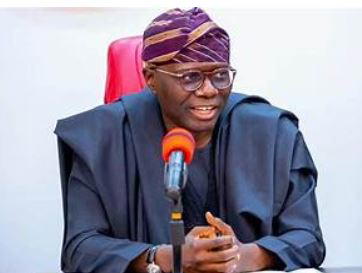
Lagos State First Lady Dr. Ibijoke Sanwo-Olu called for continued investment in disease surveillance, healthcare infrastructure, and emergency preparedness to safeguard Nigerians from future public health threats. She emphasized the lessons learned from the Ebola epidemic, the COVID-19 pandemic, and other emerging infectious diseases, highlighting the need for stronger collaboration, scientific innovation, and ongoing investment in the health sector.
As a medical doctor, I truly appreciate the enormous responsibility placed on healthcare professionals. Beyond treating illnesses, they are educators, researchers, counsellors, innovators, family members and often the first line of defence during national emergencies.
Speaking at the Nigerian Medical Association (NMA) Lagos State Branch's Annual General Meeting and Scientific Conference, Sanwo-Olu acknowledged the significant responsibility shouldered by healthcare professionals. She described them as educators, researchers, counselors, innovators, family members, and the first line of defense during national emergencies, stating they deserve gratitude, continuous investment, and a conducive working environment.
Our healthcare workers deserve not only our gratitude but continuous investment in their welfare, professional development and a conducive working environment.
The Director-General of the Nigeria Centre for Disease Control and Prevention (NCDC), Dr. Jide Idris, warned that Nigeria cannot afford complacency despite its successful containment of Ebola in 2014. He stated that the country remains vulnerable due to increased international travel and the ongoing outbreak in the Democratic Republic of Congo. Idris, represented by Dr. Olukitan Jinadu, stressed that while Nigeria has enhanced its preparedness, the nation's primary defense lies in the vigilance of frontline health workers.
The truth is, no country can guarantee that an infected traveller will never cross its borders. The person may travel during the incubation period before any symptoms appear.
Jinadu cautioned doctors against assuming every fever is malaria, explaining that Ebola symptoms often resemble common febrile illnesses. Early clinical suspicion is therefore critical to preventing another national emergency. He noted that while it's impossible to guarantee that an infected traveler will never enter the country, the objective must be to prevent importation and detect and contain any imported cases before they lead to sustained transmission.
Ebola appears as an ordinary febrile illness. Most patients present with fever, weakness, headache, vomiting, diarrhoea and abdominal pain. In the early stages, many ca
DistantNews Editorial
Originally published by Vanguard in English. Translated, summarized, and contextualized by our editorial team with added local perspective. Read our editorial standards.
More Stories


From Our Blog

How the Same Story Looks Different in Different Countries

What Gets Lost (and Found) When News Is Translated

The Critical Role of Diaspora Media in Global News

What Travellers Should Know About Countries with Restricted Press

A Digital Nomad's Guide to Following Local News
