



Dollar Continues to Climb Against Boliviano Amidst Economic Concerns
Translated from Spanish, summarized and contextualized by DistantNews.
At a glance
News
Named sources
Context piece
- The official exchange rate of the U.S. dollar in Bolivia has risen from 11.54 to 11.80 bolivianos.
- Economists warn that the continued pressure on the dollar reflects persistent underlying issues: a shortage of dollars and a lack of confidence.
- The parallel market for dollars also persists, indicating ongoing economic instability.
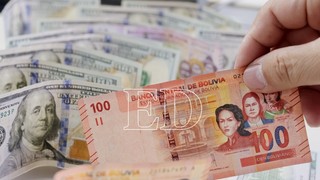
The official exchange rate for the U.S. dollar in Bolivia has continued its upward trend, reaching 11.80 bolivianos as of Wednesday, an increase from 11.54 bolivianos.
This steady climb in the dollar's value against the local currency is a cause for concern among economists. They point out that the ongoing pressure on the dollar is not an isolated incident but rather a symptom of deeper, unresolved economic problems. The core issues, according to experts, are a persistent scarcity of U.S. dollars within the economy and a significant lack of confidence among market participants.
The existence of a parallel market for dollars further underscores the economic instability. This unofficial market often reflects the true demand and supply dynamics when the official channels are insufficient or perceived as unreliable. The continued operation of such a market suggests that the official exchange rate may not fully capture the extent of the currency's challenges.
Analysts suggest that without addressing the fundamental issues of dollar shortages and restoring confidence, the pressure on the boliviano is likely to persist, impacting businesses and consumers alike. The situation highlights the ongoing economic challenges Bolivia faces in managing its currency and fostering stability.
DistantNews Editorial
Originally published by El Deber in Spanish. Translated, summarized, and contextualized by our editorial team with added local perspective. Read our editorial standards.
More Stories


From Our Blog

What Gets Lost (and Found) When News Is Translated

The Critical Role of Diaspora Media in Global News

What Travellers Should Know About Countries with Restricted Press

A Digital Nomad's Guide to Following Local News

How the Same Story Looks Different in Different Countries
