

Dominican Migration Agency Transforms Agent Training and Boosts Deportations
Translated from Spanish, summarized and contextualized by DistantNews.
At a glance
News
Named sources
New plan
- The Dominican Republic's migration agency has transformed its agent recruitment and training processes.
- New rigorous requirements and evaluations are in place for agent selection.
- The agency reports deporting over 700,000 irregular immigrants in the past 22 months.
The Dominican Republic's General Directorate of Migration (DGM) has significantly revamped its agent recruitment, selection, and training protocols to enhance operational capabilities and ensure migration control aligns with due process and human rights. Director General Vice Admiral Luis Rafael Lee Ballester emphasized that the new model includes more stringent requirements and evaluations for aspiring agents.
These rigorous steps involve personal information verification, academic certifications, background checks, and physical, psychological, clinical, and psychometric tests. Candidates are then interviewed by directors from Human Resources, Intelligence, Migration Control, and Military Coordination to assess their intellectual capacity, integrity, conduct, and suitability for the role. The training program itself has been redesigned to bolster physical preparation and deepen understanding of operational protocols, with a strong focus on respecting individual dignity during interventions.
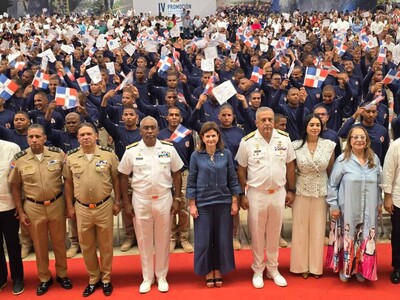
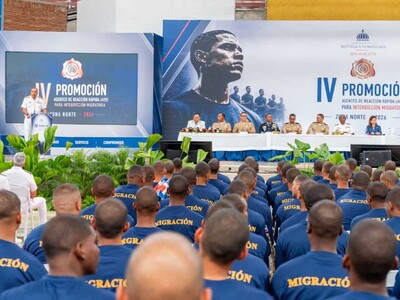
Ballester stated that these changes are part of a broader government-led restructuring aimed at strengthening the DGM. He noted that the number of agents dedicated to migration control has surged from 235 when he took office in October 2024 to 1,272 currently. The total staff, including those in intelligence, investigations, and legal support, now stands at 1,388. Furthermore, the DGM reported deporting 704,142 irregular immigrants over the past 22 months, a figure attributed to strengthened operations, new personnel, and increased resources for control efforts. The 162 graduates from the latest cohort will be deployed across 14 provinces.
DistantNews Editorial
Originally published by Diario Libre in Spanish. Translated, summarized, and contextualized by our editorial team with added local perspective. Read our editorial standards.
More Stories


From Our Blog

What Gets Lost (and Found) When News Is Translated

The Critical Role of Diaspora Media in Global News

What Travellers Should Know About Countries with Restricted Press

A Digital Nomad's Guide to Following Local News

How the Same Story Looks Different in Different Countries
