

Dominican Republic Electoral Board: Forming a Political Party Requires More Than Followers
Translated from Spanish, summarized and contextualized by DistantNews.
At a glance
News
Sources not specified
Context piece
- The Dominican Central Electoral Board (JCE) clarified that forming a political party requires more than just gathering supporters.
- The JCE outlined legal, territorial, and financial criteria mandated by Law 33-18, including specific rules for symbols and statutes.
- Requirements include a national, provincial, or municipal scope, adherence to signature collection rules (2% of votes), physical and operational structures, and a budget.
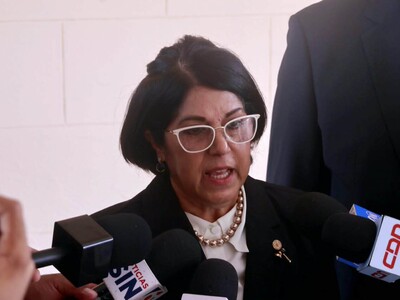
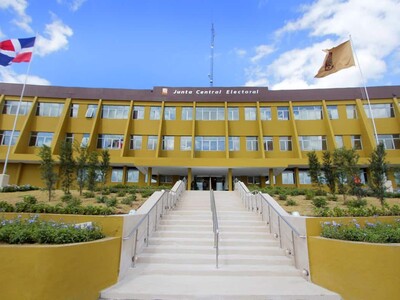
Establishing a political party in the Dominican Republic involves a rigorous process that extends beyond simply amassing followers, according to the Central Electoral Board (JCE). The JCE emphasized that Law 33-18, governing political parties, mandates strict legal, territorial, and financial prerequisites for official recognition.
Key requirements include defining the organization's scope, whether national, provincial, or municipal, and adhering to regulations on the use of party symbols and statutes. Political organizations are prohibited from using national symbols, names of national heroes, or elements that could be confused with existing parties. Symbols, such as flags and logos, must be original.
The JCE also detailed the process for collecting and validating signatures, which must represent 2% of the votes cast in the last elections. These signatures need to be submitted in both physical and digital formats, organized by street and sector. Furthermore, parties must maintain physical offices in each municipality, headquarters in Santo Domingo and the National District, and provincial directorates.
Financial transparency is another critical aspect, with organizations required to present a budget detailing past expenses and annual financial projections until the next elections. Currently, the Dominican Republic has 41 recognized political organizations and seven political movements.
DistantNews Editorial
Originally published by Diario Libre in Spanish. Translated, summarized, and contextualized by our editorial team with added local perspective. Read our editorial standards.
More Stories
From Our Blog

What Gets Lost (and Found) When News Is Translated

The Critical Role of Diaspora Media in Global News

What Travellers Should Know About Countries with Restricted Press

A Digital Nomad's Guide to Following Local News

How the Same Story Looks Different in Different Countries
