

Dominican Republic to reform education law for specialized teachers
Translated from Spanish, summarized and contextualized by DistantNews.
At a glance
News
Named sources
New plan
- Dominican Republic's Education Minister Luis Miguel De Camps announced a reform to the General Education Law to ease the entry of professionals with specialized skills, particularly in English and technical fields.
- The current 1997 law requires a bachelor's degree in Education for teaching appointments, creating difficulties in finding specialists for areas like English and technical training.
- The reform aims to better connect the education system with employment and entrepreneurship, reflecting updated national needs and a desire for more integrated educational pathways.
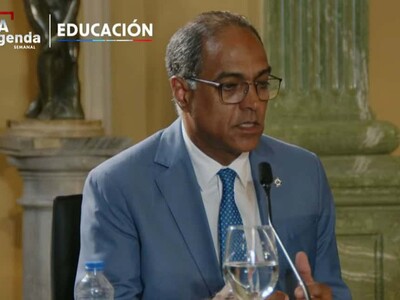
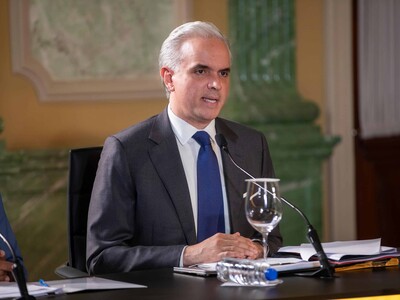
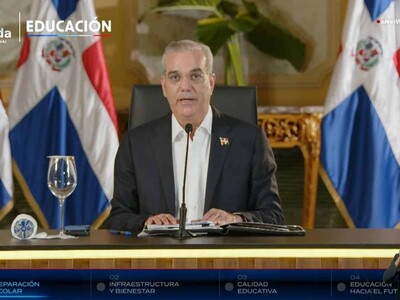
The Dominican Republic is moving to reform its General Education Law to address a critical shortage of specialized teachers, particularly in English and technical vocational fields. Education Minister Luis Miguel De Camps announced that proposed changes will make it easier for professionals with specific competencies to join the public education system.
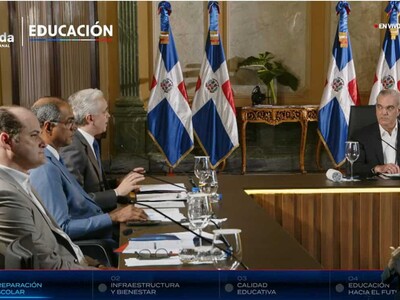
Under the current legislation, enacted in 1997, aspiring teachers must hold a bachelor's degree in Education. While this requirement served its purpose, De Camps explained that it now presents significant hurdles in filling positions for specialized subjects. "When we get into details of specialization, like English, like technical training for polytechnics, then it becomes difficult to find people who have these competencies and are willing," the minister stated during a recent weekly briefing.
When we get into details of specialization, like English, like technical training for polytechnics, then it becomes difficult to find people who have these competencies and are willing.
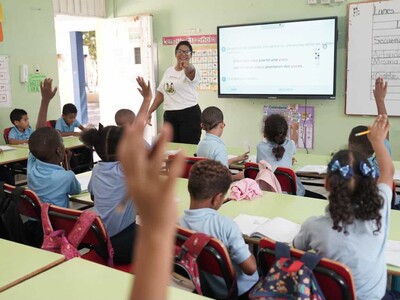
This difficulty is particularly pronounced in the push towards a bilingual education system, which requires a greater number of teachers proficient in English. Similarly, technical education needs instructors with knowledge directly relevant to the productive sector's demands. The existing law, nearly three decades old, was created in a different era and no longer aligns with the country's current educational and economic needs.
The proposed reform seeks to foster a stronger link between education, employment, and entrepreneurship, without compromising the humanistic dimension of learning. De Camps highlighted that the initiative stems from a national consultation where over 71% of participants agreed on the necessity of transforming and improving the system for greater relevance. The changes also aim to create more fluid pathways between high school graduation, technical training, and higher education, allowing these routes to communicate within a unified system.
That a student who finishes high school does not have to decide between the technical route or the higher education route. And these two routes communicate with each other, because the educational system is one.
DistantNews Editorial
Originally published by Diario Libre in Spanish. Translated, summarized, and contextualized by our editorial team with added local perspective. Read our editorial standards.
More Stories
From Our Blog

What Gets Lost (and Found) When News Is Translated

The Critical Role of Diaspora Media in Global News

What Travellers Should Know About Countries with Restricted Press

A Digital Nomad's Guide to Following Local News

How the Same Story Looks Different in Different Countries
