

Dominican's Mister Folklore World win sparks online criticism
Translated from Spanish, summarized and contextualized by DistantNews.
At a glance
News
Official statement
New plan
- A Dominican man, Humberto Linder, was crowned Mister Folklore World International 2026, sparking criticism on social media.
- The organization explained the contest values culture, folklore, and national representation over just physical appearance.
- They clarified that Linder's win reflects his commitment to representing Dominican culture and traditions.
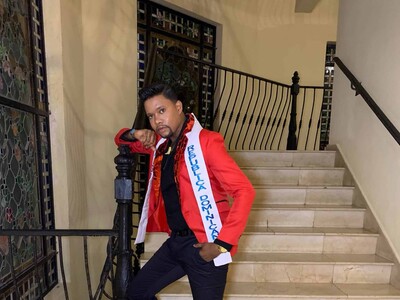
The recent crowning of Dominican Humberto Linder as Mister Folklore World International 2026 has ignited a debate on social media, with many questioning his qualifications for the title. The controversy highlights differing perceptions of what such pageants should prioritize.
In response to the public's reactions, the Mister Folklore World International organization issued a statement to clarify the competition's criteria. They emphasized that the pageant is not solely about physical beauty. Instead, it aims to celebrate and highlight the culture, folklore, identity, and traditions of participating countries.
The organization detailed that candidates are evaluated on multiple aspects, including their knowledge, stage presence, performance, and ability to represent their nation. While physical appearance is a component, it is not the sole determining factor for selecting a winner. They also pointed out that each male pageant has its unique objectives and rules, cautioning against direct comparisons with other international contests like Mister Supranational or Mister Grand.
Regarding Linder's victory, the organization commended his participation, stating that he represented the Dominican Republic with dedication, cultural pride, and respect for national traditions. His selection, they explained, aligns with the pageant's mission to promote the rich cultural heritage and folklore of each country on an international stage. Despite divided opinions, Linder's win has spurred a conversation about the significance of cultural representation in pageantry, beyond just physical attributes.
DistantNews Editorial
Originally published by Diario Libre in Spanish. Translated, summarized, and contextualized by our editorial team with added local perspective. Read our editorial standards.
More Stories


From Our Blog

What Gets Lost (and Found) When News Is Translated

The Critical Role of Diaspora Media in Global News

What Travellers Should Know About Countries with Restricted Press

A Digital Nomad's Guide to Following Local News

How the Same Story Looks Different in Different Countries
