


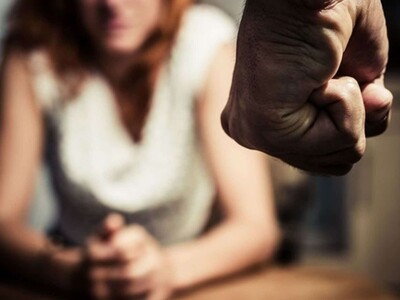
Dominican women report increased danger after denouncing gender violence
Translated from Spanish, summarized and contextualized by DistantNews.
At a glance
News
Named sources
Context piece
- Women in the Dominican Republic face increased danger after reporting gender-based violence, with some experiencing worse situations post-reporting.
- Victims often feel they have no escape, as reporting leads to fear for their safety and not reporting draws scrutiny.
- Experts highlight that the focus should be on limiting the aggressor's capacity to harm, not restricting the victim's life.
In the Dominican Republic, women who report gender-based violence often find themselves in a more precarious situation, facing increased danger and fear. "We have no escape. If we report, we are in danger; if we don't report, they ask us why we didn't," said Macier Guerra Valenzuela, summarizing the dilemma many women face. She described how reporting her ex-partner for alleged violence did not bring peace but instead intensified her fear, making her question her safety daily.
Guerra's experience is echoed by many others. The process can be lengthy, with a restraining order issued two years after her initial report. The fear is palpable, especially after witnessing the fatal shooting of her cousin by her ex-partner, which heightened her panic about becoming another statistic. Many women resort to changing routines, hiding their movements, or abandoning their homes and jobs to avoid their aggressors, while the aggressors often continue their lives with few restrictions.
Social psychologist Jhoan Almonte Mateo explained that this dynamic places an undue burden on victims. "The woman is the one who has to move, change jobs, modify her routine, or hide, while the aggressor continues to move with relative freedom," he stated. Mateo emphasized that the response should focus on "effectively limiting the aggressor's capacity to harm," rather than imposing restrictions on the victim's life.
Cognitive neuroscientist Oom Blanco added that living in constant fear has profound psychological effects beyond physical safety. These include sleep disturbances, difficulty concentrating, exhaustion, loss of identity, and a persistent feeling of insecurity, even in safe environments. This state of hypervigilance leads many women to alter their lives significantly, limiting personal relationships and constantly trying to avoid their aggressors. Blanco noted that in therapy, it's common to hear women say, "I no longer know if I'm running away or living."
DistantNews Editorial
Originally published by Diario Libre in Spanish. Translated, summarized, and contextualized by our editorial team with added local perspective. Read our editorial standards.
More Stories


From Our Blog

What Gets Lost (and Found) When News Is Translated

The Critical Role of Diaspora Media in Global News

What Travellers Should Know About Countries with Restricted Press

A Digital Nomad's Guide to Following Local News

How the Same Story Looks Different in Different Countries
