


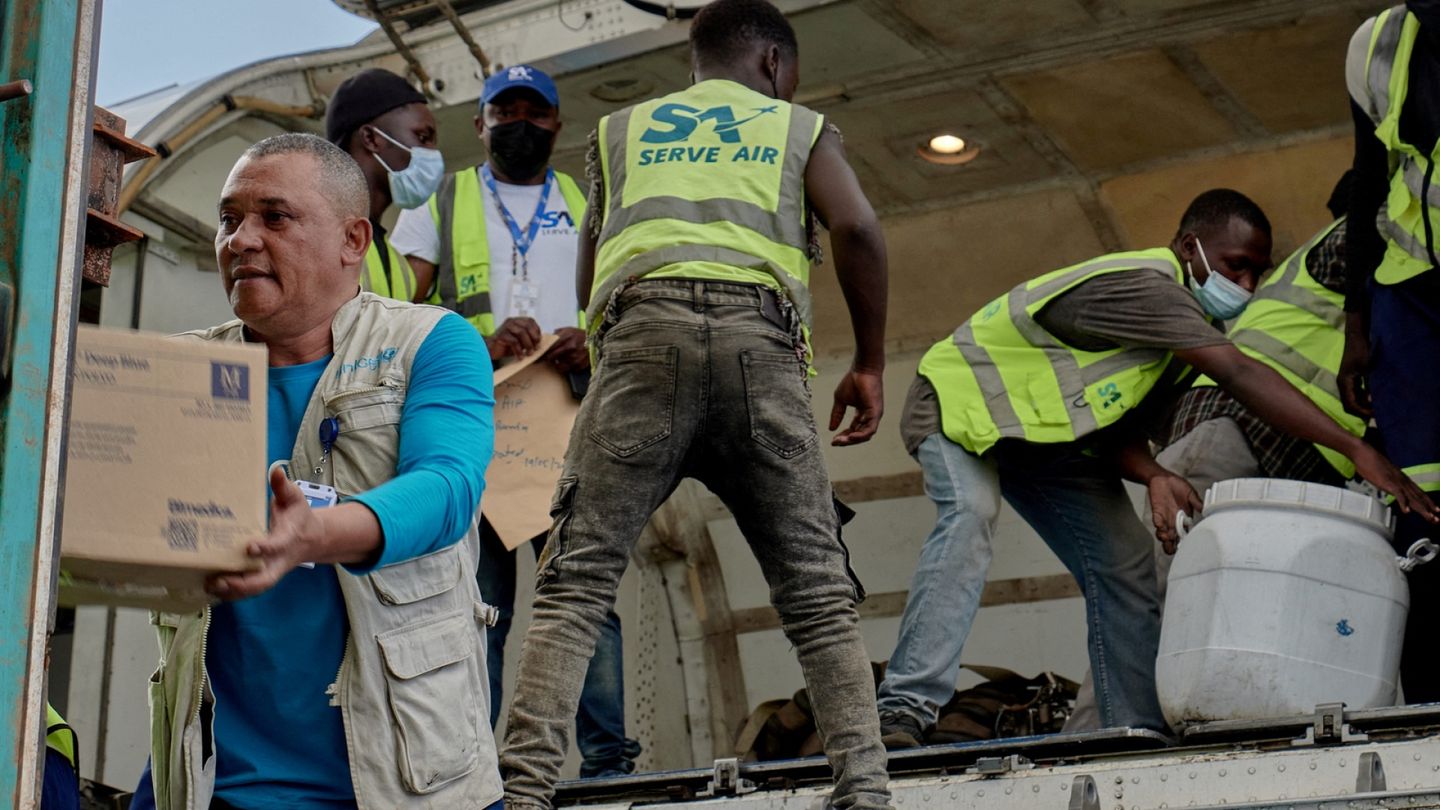
DRC Ebola epidemic risks spreading to neighbors, UN warns
Translated from Finnish, summarized and contextualized by DistantNews.
At a glance
News
Sources not specified
Ongoing story
- The UN warns that the Ebola epidemic in the Democratic Republic of Congo risks spreading to neighboring countries if not addressed urgently.
- Over 2,500 people have died in the DRC's deadliest Ebola outbreak, with the disease now affecting an area larger than France.
- Funding for epidemic control is dwindling, and a new virus strain for which there is no vaccine is spreading in the Ituri province.
The Ebola epidemic raging in the Democratic Republic of Congo is in danger of spreading to neighboring countries unless swift action is taken, according to the UN's Ebola coordinator Julien Harneis. He stated that over 2,500 people have died in the DRC from Ebola during the current epidemic, which is now spreading across an area larger than France. This outbreak is the deadliest in the country's history. Harneis warned that funds for controlling the epidemic are sufficient for only a few more weeks. The current epidemic was declared on May 15, but the disease is believed to have been spreading for weeks prior. The outbreak, which originated in the Ituri province, is particularly affecting the northern and eastern parts of Congo. A specific strain of the Bundibugyo virus is spreading in the region, and there is currently no vaccine or treatment for it. The virus spreads through bodily fluids and causes hemorrhagic fever. The UN announced on Thursday that Congo would receive 70,000 doses of Ebola vaccines, intended for the Zaire strain of Ebola. It remains uncertain if these vaccines will be effective against the Bundibugyo virus strain. World Health Organization Director-General Tedros Adhanom Ghebreyesus expressed a positive view on the vaccine distribution.
The Ebola epidemic in the Democratic Republic of Congo is in danger of spreading to neighboring countries unless swift action is taken.
DistantNews Editorial
Originally published by Helsingin Sanomat in Finnish. Translated, summarized, and contextualized by our editorial team with added local perspective. Read our editorial standards.
More Stories



From Our Blog

What Gets Lost (and Found) When News Is Translated

The Critical Role of Diaspora Media in Global News

What Travellers Should Know About Countries with Restricted Press

A Digital Nomad's Guide to Following Local News

How the Same Story Looks Different in Different Countries
