


Drone Strikes Spur Market for Technology to Repel Them
Translated from English, summarized and contextualized by DistantNews.
At a glance
News
Named sources
Ongoing story
- Disruptions at European airports and strikes on Middle East oil fields are driving demand for counter-drone technology.
- Companies are developing advanced systems like jammers and defensive craft to protect infrastructure.
- The global counter-drone market is projected to grow significantly, reaching billions of dollars annually.
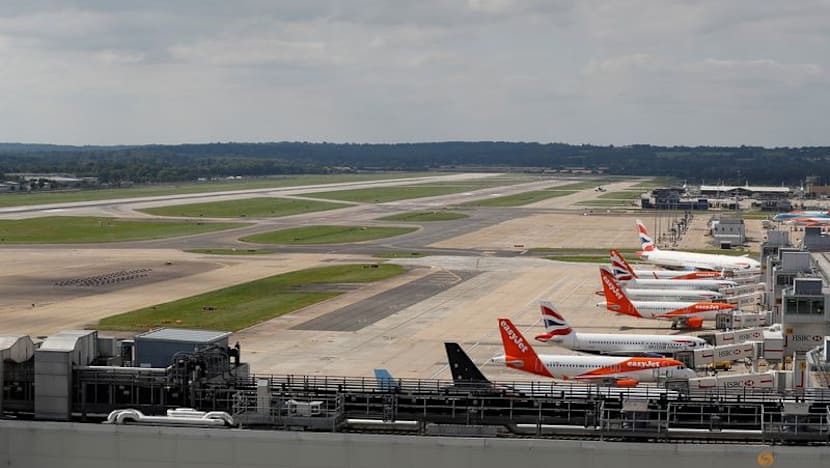
A surge in drone incursions, from disrupting European airports to striking oil fields in the Middle East, is fueling a rapidly expanding market for technology designed to repel these aerial threats. The demand for advanced systems, including radars, jammers, and defensive craft, is escalating as airports and critical infrastructure operators seek robust protection against evolving threats.
While drone disruptions at airports are not new, recent incidents linked to conflicts in Ukraine and the Middle East have intensified concerns. In response, technological advancements are accelerating. Companies like U.S.-based Dedrone are offering gun-shaped tools capable of jamming drones, while Boeing is developing autonomous 'wingmen' equipped with counter-drone capabilities. This burgeoning field is attracting billions in investment, extending beyond military applications to sectors such as energy, shipping, data centers, hotels, and airports.
There is a direct effect of a lot of people calling us.
Executives at counter-drone firms report a sharp increase in inquiries from governments, airports, and civil infrastructure operators. Siete Hamminga, CEO of Netherlands-based RobinRadar, noted a direct correlation between recent events and increased customer interest. The need to protect economic and civil assets like ports, oil fields, and airports has become paramount, highlighted by incidents such as drone strikes at Dubai airport and disruptions in the Baltic states.
Analysts project substantial growth for the global counter-drone market, estimating its current value between $3 billion and $7 billion and forecasting a yearly growth rate of around 20 percent. Market research suggests the market could reach $14.5 billion by 2030, up from its current $4.5 billion. Eben Frankenberg, CEO of drone-detecting radar maker Echodyne, stated that investment in a new plant will significantly increase his company's annual production capacity.
I imagine we are one of many companies being asked, after many more governments - not just in the Middle East - now realise how vulnerable they are, with the extent and nature of the drone threat evolving in real time.
DistantNews Editorial
Originally published by CNA in English. Translated, summarized, and contextualized by our editorial team with added local perspective. Read our editorial standards.
More Stories


From Our Blog

What Gets Lost (and Found) When News Is Translated

The Critical Role of Diaspora Media in Global News

What Travellers Should Know About Countries with Restricted Press

A Digital Nomad's Guide to Following Local News

How the Same Story Looks Different in Different Countries
