


Drones, tariffs, and rare earths: Testing the limits of US-China detente
Translated from English, summarized and contextualized by DistantNews.
At a glance
News
Sources not specified
Context piece
- The US and China are testing their post-summit detente through institutional designs, including proposed trade and investment boards.
- These new bodies aim to manage disputes over tariffs, drones, rare earths, and market access, preventing them from derailing the broader relationship.
- The effectiveness of this arrangement hinges on predictable procedures for businesses, especially in light of security concerns surrounding technologies like DJI drones.
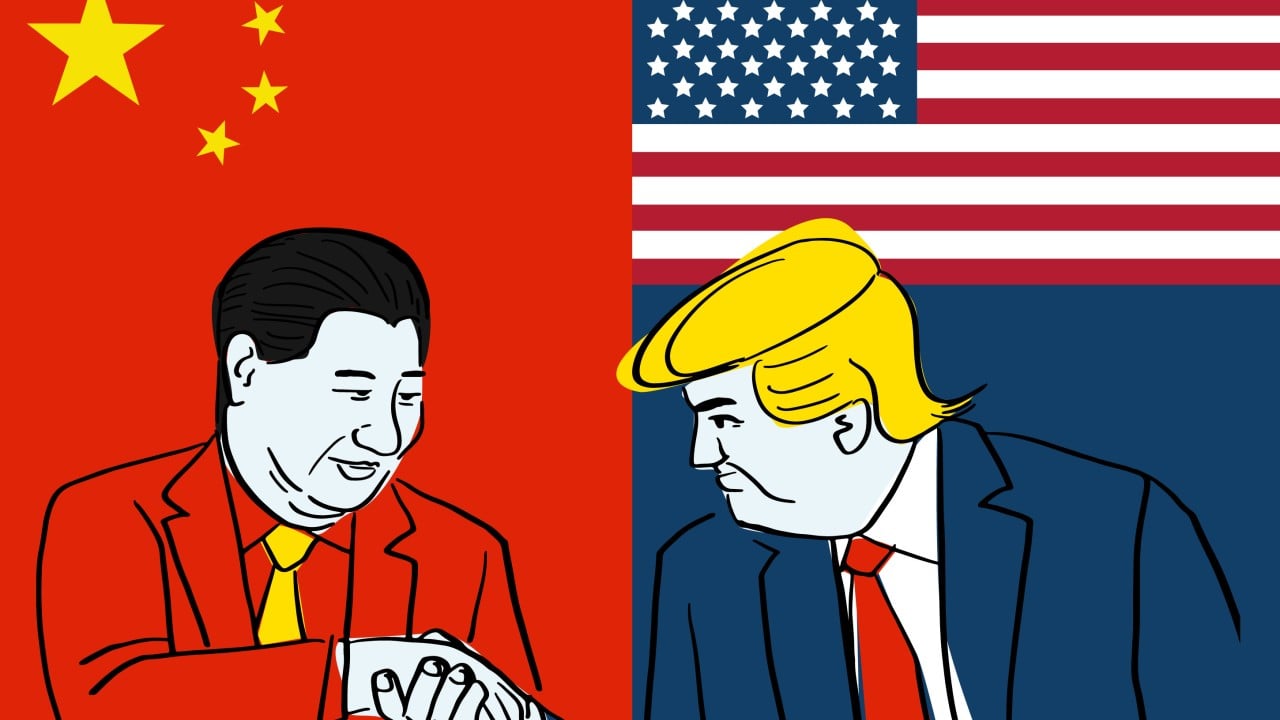
The recent diplomatic thaw between Washington and Beijing is now moving into the realm of institutional design, with both nations establishing new bodies to manage their complex relationship. Less than three weeks after a summit between U.S. President Donald Trump and Chinese President Xi Jinping, the U.S. Trade Representative (USTR) initiated steps to identify "non-sensitive" Chinese goods for potential tariff relief under a new U.S.-China Board of Trade.
Simultaneously, the USTR proposed Section 301 duties on imports from 60 economies, including China, following an investigation into forced labor. These parallel actions serve as the initial test for the proposed trade and investment boards, designed to mediate disputes concerning tariffs, drones, rare earths, licensing, and market access.
According to the White House, the establishment of these boards was part of an agreement to foster a constructive relationship based on fairness and reciprocity. President Xi's account of the summit emphasized cooperation as the cornerstone, with competition within defined limits, manageable differences, and "expectable peace."
While a shared vocabulary of restraint is evident, the differing emphases underscore the necessity of these institutions. Both Washington and Beijing will continue to assert their security interests. The practical aim of the proposed trade board is to prevent specific issues, such as tariff disputes, licensing delays, drone regulations, rare earth squeezes, or investment screenings, from jeopardizing the entire bilateral relationship.
This approach reflects the logic of a cold peace: a disciplined coexistence maintained under persistent security pressures. Commerce is expected to continue even as both governments designate certain technologies, data flows, and strategic resources as matters of national security. The credibility of such an arrangement depends on establishing clear procedures that businesses can rely on before making investment, shipping, or supply chain redesign decisions.
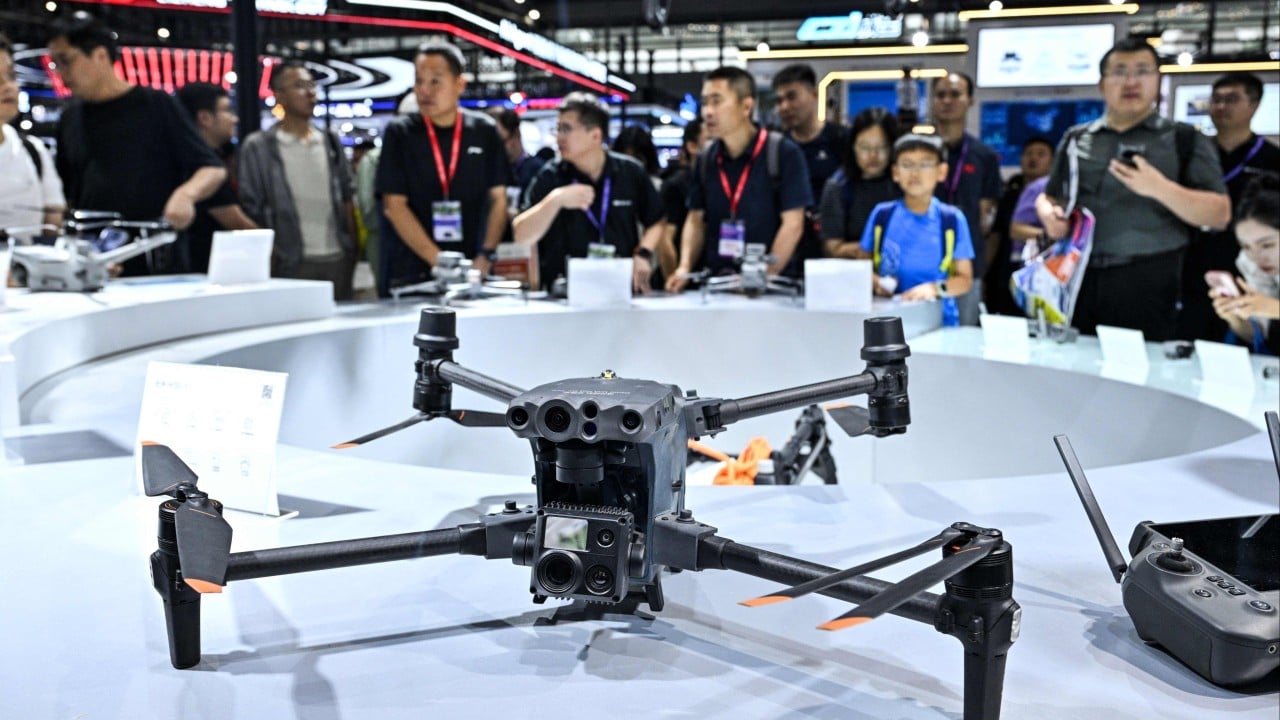
The urgency of this framework is particularly evident in the case of DJI, a Shenzhen-based drone manufacturer that dominates over half of the U.S. commercial drone market. DJI is at the center of a dispute over how to classify security risks within a commercial market. In December, the U.S. Federal Communications Commission added foreign-made drones and their critical components to its Covered List, identifying equipment and services deemed to pose an unacceptable risk to U.S. national security.
DistantNews Editorial
Originally published by South China Morning Post in English. Translated, summarized, and contextualized by our editorial team with added local perspective. Read our editorial standards.
More Stories
From Our Blog

Countries Without a Free Press: What You Need to Know

What Press Freedom Means for the News You Read

What Gets Lost (and Found) When News Is Translated

The Critical Role of Diaspora Media in Global News

What Travellers Should Know About Countries with Restricted Press
