


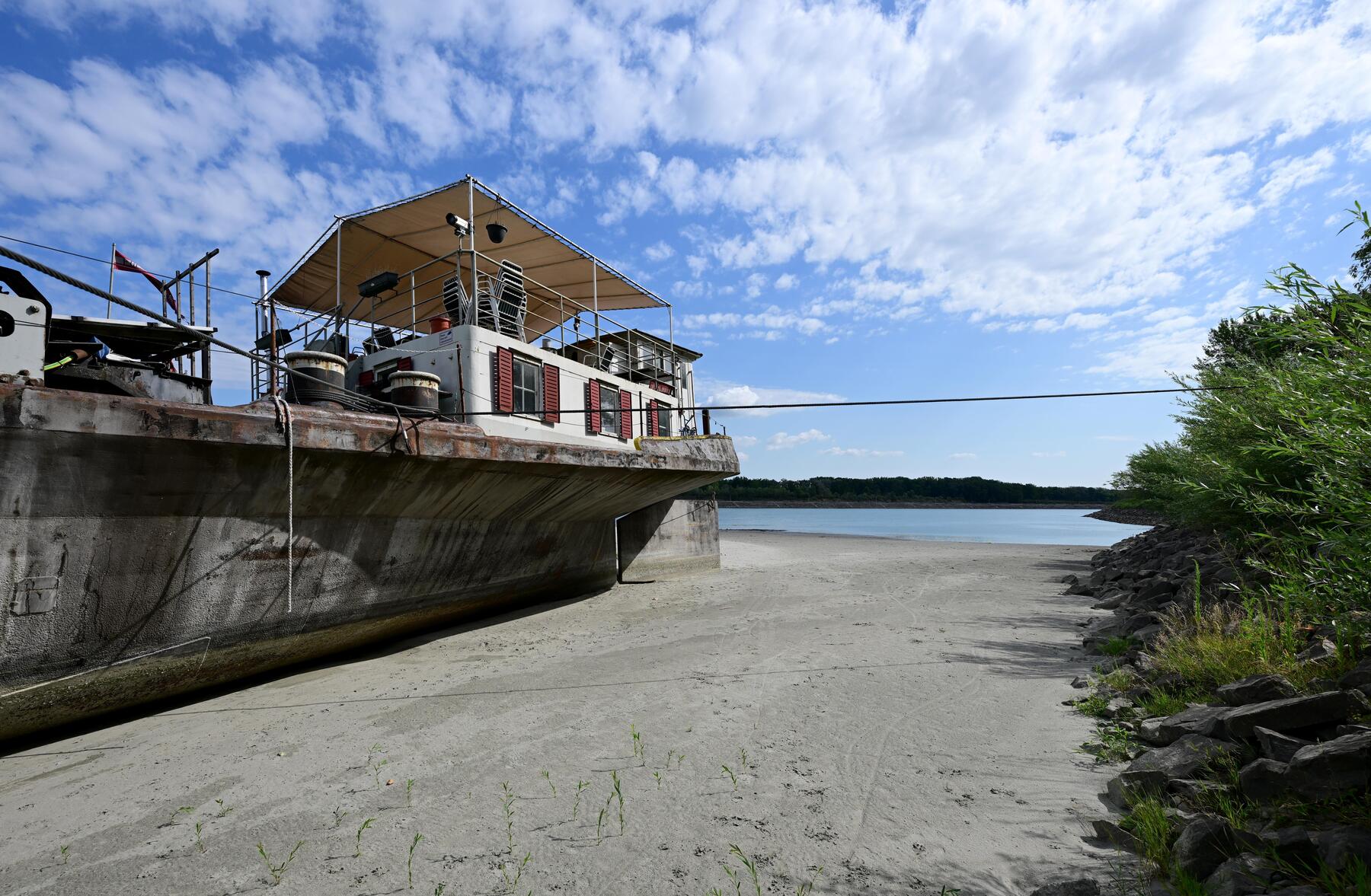
Drought forces power cuts, bans water use as Danube levels hit historic lows
Translated from German, summarized and contextualized by DistantNews.
At a glance
News
Sources not specified
Context piece
- Persistent drought and low water levels in rivers like the Danube are impacting electricity production in Austria and downstream countries.
- Water and nuclear power plants are reducing or halting operations due to insufficient water, with some areas experiencing groundwater shortages.
- The low water levels have also affected tourism and fishing, and in Bulgaria, exposed ancient mammoth bones.
Austria and neighboring countries are facing significant challenges due to prolonged drought and critically low water levels in major rivers, most notably the Danube. This scarcity is directly impacting electricity generation, forcing power plants to reduce or suspend operations. The situation is particularly acute for hydropower facilities, which rely on consistent water flow.
Florian Seidl, spokesperson for Verbund, Austria's largest hydropower operator, explained that the lack of rainfall and diminishing glacial meltwater are key factors. "We should actually be processing the water from the snowmelt now, but due to global warming, less and less snow is falling," Seidl stated. Verbund's production is currently around 30 percent below its long-term average. Many of the over 4,000 small hydropower plants are also affected, with production cut by up to 50 percent or stopped entirely.
Beyond electricity production, the drought is causing widespread water shortages. In Upper Austria, several municipalities have imposed strict water usage restrictions. Hofkirchen im Mühlkreis, for example, has issued an absolute ban on filling private swimming pools and prohibited car washing, lawn watering, and cleaning outdoor surfaces with drinking water. Garden and balcony plant watering is limited to the bare minimum. Local officials describe the situation as "tense."
Environmental officials report a continuous stream of notifications about falling water levels, drying wells, and the need for emergency water supplies. Approximately 30 percent of groundwater monitoring sites in Upper Austria show very low levels, with another 60 percent indicating low levels. This is attributed to reduced groundwater recharge in recent months. The low water levels have also had ripple effects on other sectors, impacting tourism and fisheries. In Bulgaria, the receding waters of the Danube have even led to the discovery of ancient mammoth bones.
DistantNews Editorial
Originally published by Die Presse in German. Translated, summarized, and contextualized by our editorial team with added local perspective. Read our editorial standards.
More Stories

From Our Blog

What Gets Lost (and Found) When News Is Translated

The Critical Role of Diaspora Media in Global News

What Travellers Should Know About Countries with Restricted Press

A Digital Nomad's Guide to Following Local News

How the Same Story Looks Different in Different Countries
