

Drought in Hessen: 'A month's rainfall would be good'
Translated from German, summarized and contextualized by DistantNews.
At a glance
News
Named sources
Context piece
- Hessen is experiencing severe drought, with soil moisture levels significantly below average for this time of year.
- The dry conditions are impacting agriculture, leading to reduced crop yields and visible stress on trees and shrubs.
- Meteorologists predict rising temperatures will exacerbate the drought, increasing evaporation and further drying out the soil.
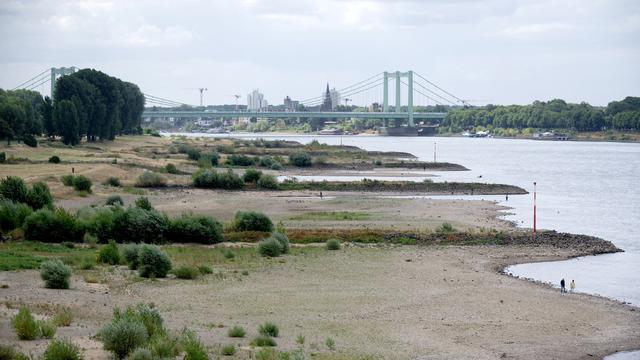
Hessen is grappling with a severe drought, evidenced by brown landscapes and receding river levels, with conditions worsening as both June and July fall significantly short of expected rainfall. The German Weather Service (DWD) anticipates that rising temperatures will further intensify the dry spell, leading to increased evaporation and soil desiccation.
If you look at the soil moisture in the upper 60 centimeters, then we are far below what is usual for this time of year in Hessen.
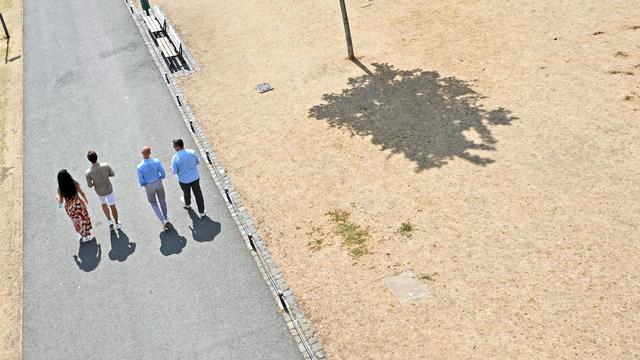
Agrimetereologist Andreas Brömser from the DWD stated that soil moisture in the upper 60 centimeters of Hessen is far below the seasonal average, particularly affecting central and southern regions. "You can see it in the grass areas," Brömser noted, adding that trees and shrubs are also showing signs of stress. In southern Hessen, soil moisture levels have reached unprecedented lows compared to the 1991-2020 baseline period. Brömser expressed a need for "a whole month's rainfall in a few days" to alleviate the situation, but such precipitation is not in sight.
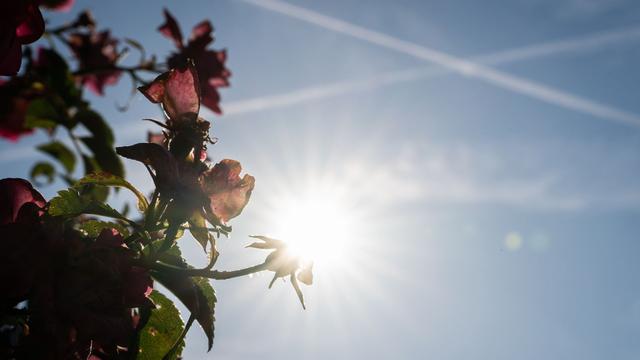
The persistent heat and dryness are creating significant problems for gardens across Hessen. Gerd Bergmann from the Hessian Gardening Academy explained that plants are suffering from drought and intense sunlight, leading to reduced fruit yields due to sunburn. He also observed unusual phenomena, such as fruits doubling in size or new buds growing from already opened blossoms, which he attributes to radiation and heat stress. "We have never seen this before in this form," he said.
It would be good if a whole month's rainfall fell as moderate, steady rain within a few days.
Bergmann warned that consequences seen in forests, such as cracked tree trunks, are likely to become more severe in home gardens. The intense sun causes tree trunks to heat up and crack, creating entry points for diseases. Weakened plants are also more susceptible to pests, with bark beetles now appearing on fruit trees, cypresses, and ornamental trees. Bugs and thrips are causing increasing damage to flowers and leaves in gardens and on balconies.
The plants are suffering from the drought and the strong sunlight.
The drought is also taking a toll on wildlife. Birds, hedgehogs, squirrels, dormice, amphibians, and insects are finding it increasingly difficult to access water sources. The dry meadows and parched landscapes offer little sustenance, exacerbating the challenges for the region's fauna.
The big problem there are cracks. The trunks get so hot that they crack. The cracks are then entry points for diseases.
DistantNews Editorial
Originally published by Die Zeit in German. Translated, summarized, and contextualized by our editorial team with added local perspective. Read our editorial standards.
More Stories


From Our Blog

What Gets Lost (and Found) When News Is Translated

How the Same Story Looks Different in Different Countries

The Critical Role of Diaspora Media in Global News

What Travellers Should Know About Countries with Restricted Press

A Digital Nomad's Guide to Following Local News
