

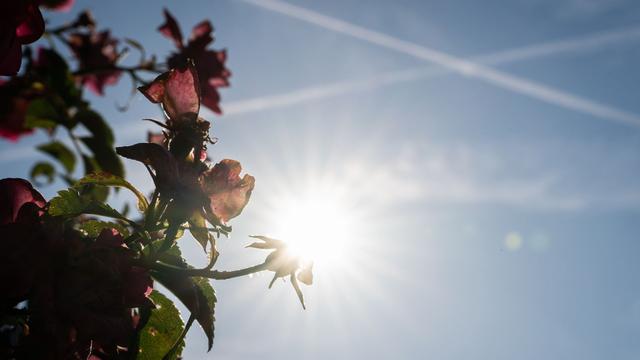

Germany Braces for Heatwave as Southern Europe Battles Wildfires
Translated from German, summarized and contextualized by DistantNews.
At a glance
News
Sources not specified
Context piece
- Germany is bracing for another heatwave, with temperatures expected to exceed 30 degrees Celsius in many areas by mid-week.
- Hot air will spread across Germany from the southwest starting Tuesday, driven by high-pressure system "Olaf."
- Southern Europe is already experiencing high temperatures, with France battling unprecedented wildfires near Bordeaux.
Germany is set to experience another significant heatwave starting mid-week, with temperatures predicted to climb above 30 degrees Celsius in numerous locations. The German Weather Service (DWD) forecasts that Tuesday night will remain "pleasantly cool," offering a chance for ventilation. However, from Tuesday onwards, hot air will begin to move across the country from the southwest, propelled by the high-pressure system named "Olaf."
On Tuesday, temperatures in northern Germany will range between 21 and 26 degrees Celsius, while the rest of the country will see highs from 26 to 31 degrees, accompanied by abundant sunshine. The Upper Rhine region could even reach up to 33 degrees. By Wednesday, widespread heat is expected, with temperatures only dipping below 30 degrees immediately along the coasts. Predictions indicate temperatures between 30 and 35 degrees, potentially reaching 37 degrees along the Rhine.
The heat is not confined to Germany; Southern Europe has been grappling with high temperatures for an extended period. France, in particular, is contending with severe wildfires that have had dramatic consequences for its population. These fires are reportedly only 30 kilometers from Bordeaux, prompting a response from French Interior Minister Laurent Nuñez. Authorities describe the blaze as being of "unprecedented scale," with over 1,200 firefighters deployed.
DistantNews Editorial
Originally published by Der Spiegel in German. Translated, summarized, and contextualized by our editorial team with added local perspective. Read our editorial standards.
More Stories
From Our Blog

What Gets Lost (and Found) When News Is Translated

How the Same Story Looks Different in Different Countries

The Critical Role of Diaspora Media in Global News

What Travellers Should Know About Countries with Restricted Press

A Digital Nomad's Guide to Following Local News
