

Drought Reveals 'Hunger Stones' and WWII Shipwrecks Across Europe
Translated from Polish, summarized and contextualized by DistantNews.
At a glance
News
Sources not specified
Ongoing story
- Europe's persistent heatwave and severe drought have caused river levels to drop to record lows, revealing historical markers.
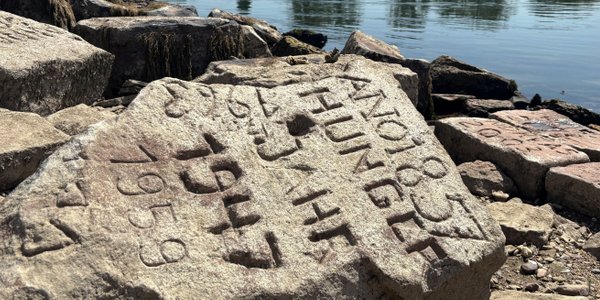
- These "hunger stones" in rivers like the Elbe and Rhine bear inscriptions warning of past catastrophic droughts and resulting famines.
- The receding waters have also exposed World War II-era shipwrecks in the Danube, some still containing explosives, posing significant risks.
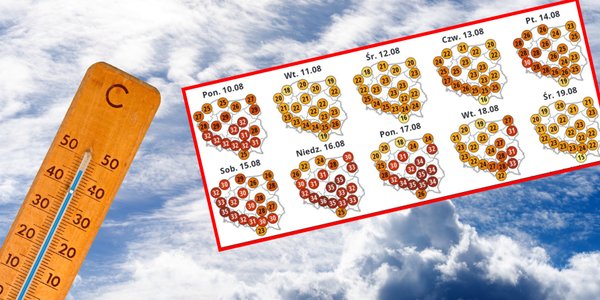
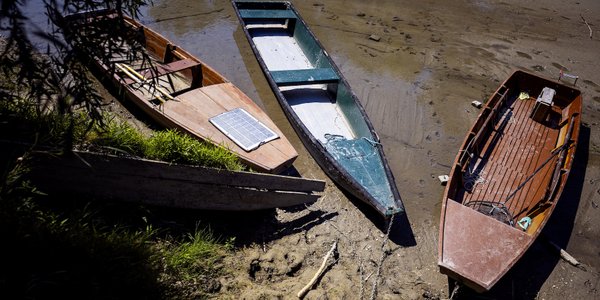
Europe's prolonged heatwave and severe drought have led to unprecedentedly low water levels in major rivers, uncovering historical artifacts and warnings from previous generations. In Germany, the drying rivers have revealed "hunger stones," ancient markers that once signaled dire conditions and impending famine.
These stones, inscribed with dates and messages, serve as stark reminders of past environmental crises. On the Elbe River near Pirna-Oberposta, a hunger stone displays dates documenting extremely low water levels, with the oldest inscription dating back to 1707. Similarly, the Rhine River near Leverkusen has yielded inscriptions, one dated 1959. Historical accounts also mention a stone bearing the chilling phrase, "If you see me, weep," though this specific marker has yet to surface.
Beyond historical markers, the receding waters of the Danube River, which separates Serbia and Romania, have exposed the wrecks of German warships. These vessels were deliberately sunk by retreating Nazis in the autumn of 1944 to impede the Soviet advance. Many of these ships, some potentially still carrying explosives, lie submerged, presenting a considerable danger and complicating any salvage efforts.
The low water levels are not merely archaeological curiosities; they pose real economic threats. In Hungary, the Danube's diminished flow has jeopardized the cooling systems of the Paks nuclear power plant, bringing its operational parameters close to the minimum threshold. In Serbia, hydroelectric power production has drastically declined, underscoring the widespread impact of the ongoing drought on critical infrastructure and energy supplies.
If you see me, weep
DistantNews Editorial
Originally published by Rzeczpospolita in Polish. Translated, summarized, and contextualized by our editorial team with added local perspective. Read our editorial standards.
More Stories
From Our Blog

What Gets Lost (and Found) When News Is Translated

The Critical Role of Diaspora Media in Global News

What Travellers Should Know About Countries with Restricted Press

A Digital Nomad's Guide to Following Local News

How the Same Story Looks Different in Different Countries
