

Drowning desert: Xinjiang's infrastructure faces failure risk under record rain
Translated from English, summarized and contextualized by DistantNews.
At a glance
News
Named sources
Outcome reported
- Rare, intense rainfall in Xinjiang, China, has caused flooding and damage, highlighting risks from extreme weather in the region.
- Experts warn that the arid region's infrastructure, designed for dry conditions, is vulnerable to washouts and flooding from increased rainfall.
- Warmer, wetter conditions have enabled agriculture but also pose threats to the fragile desert ecology and infrastructure.
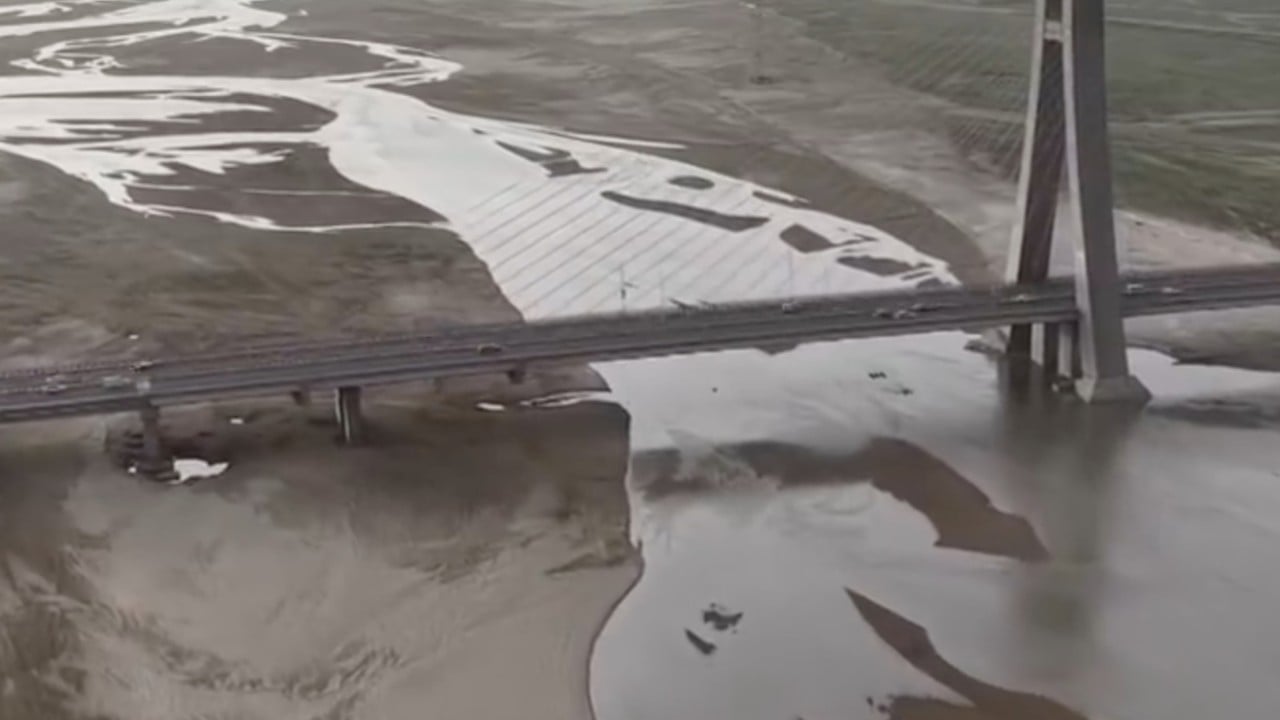
Rare but intense rainfall in China's Xinjiang region has triggered flooding and damage, underscoring the growing risks posed by extreme weather in the country's arid northwest. Two major flood events have occurred along the margins of the Taklamakan Desert this month, according to China Weather Network.
While warmer, wetter conditions in recent decades have made agriculture possible in previously inhospitable areas, bolstering food security, experts warn that more frequent and extreme rainfall could take a toll on the region's fragile ecology and infrastructure. Xu Xiaofeng, president of the China Meteorological Service Association, stated that the northwest's ecosystems and infrastructure face greater risks than other regions.
"These regions have long been arid, with fewer rivers, lakes or ponds," Xu explained. "That means the land has limited capacity to absorb heavy rainfall, making roads more vulnerable to washouts and farmland more susceptible to flooding."
Many facilities in Xinjiang's desert and the Gobi are designed for arid conditions, characterized by low rainfall, strong winds, and large diurnal temperature variations. Over time, these structures have adapted to the local environment, but the increasing intensity of rainfall presents a new challenge to their resilience.
These regions have long been arid, with fewer rivers, lakes or ponds. That means the land has limited capacity to absorb heavy rainfall, making roads more vulnerable to washouts and farmland more susceptible to flooding.
DistantNews Editorial
Originally published by South China Morning Post in English. Translated, summarized, and contextualized by our editorial team with added local perspective. Read our editorial standards.
More Stories

From Our Blog

Countries Without a Free Press: What You Need to Know

What Press Freedom Means for the News You Read

What Gets Lost (and Found) When News Is Translated

The Critical Role of Diaspora Media in Global News

What Travellers Should Know About Countries with Restricted Press
