

Druzhba Pipeline: Russia Wants to Stop Oil Transit to Schwedt
Translated from German, summarized and contextualized by DistantNews.
TLDR
- Russia plans to halt oil transit to Germany via the Druzhba pipeline starting in May, citing technical issues.
- The Russian energy company Rosneft informed German authorities of the decision, which affects oil from Kazakhstan.
- Germany's Federal Ministry for Economic Affairs stated that the country's energy security is not threatened by this move.
Russia's decision to halt oil transit to Germany through the Druzhba pipeline, beginning in May, presents a significant, albeit manageable, challenge for the German energy sector. While the official reason cited is technical problems, the timing and context—following Germany's reduced reliance on Russian energy due to the Ukraine war—suggest a complex geopolitical dimension. The Russian state-owned oil company Rosneft has notified German authorities, indicating a formal step in this disruption.
Russia has planned for zero transit starting in May.
Kazakhstan, a key supplier of oil via this route, has indicated that Russia has planned for zero transit starting in May, attributing it to a lack of 'technical possibilities.' Kazakhstan's Energy Minister suggested this could be linked to recent attacks on Russian infrastructure, a plausible explanation given the ongoing conflict. However, Kazakhstan is prepared to adjust, with Rosneft Deutschland assuring that replacement supplies can be arranged to maintain the full production capacity of the PCK refinery in Schwedt.
We are carefully examining the effects.
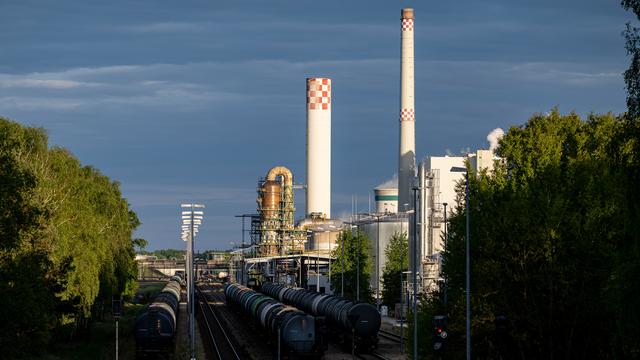
The significance of the Druzhba pipeline, particularly for the PCK refinery, cannot be overstated. This facility is crucial for supplying diesel, gasoline, kerosene, and heating oil to Berlin and northeastern Germany. With Kazakhstan's oil exports to Germany via the pipeline increasing by 44% in 2025 compared to the previous year, its role has become even more vital. While Germany asserts its energy security remains intact, this development underscores the ongoing volatility in energy markets and the need for continued diversification and resilience.
We will adapt to any new situation and ensure replacement supplies if necessary so that PCK can continue to produce at full capacity.
DistantNews Editorial
Originally published by Die Zeit in German. Translated, summarized, and contextualized by our editorial team with added local perspective. Read our editorial standards.
More Stories


From Our Blog

What Gets Lost (and Found) When News Is Translated

How the Same Story Looks Different in Different Countries

The Critical Role of Diaspora Media in Global News

What Travellers Should Know About Countries with Restricted Press

A Digital Nomad's Guide to Following Local News
