

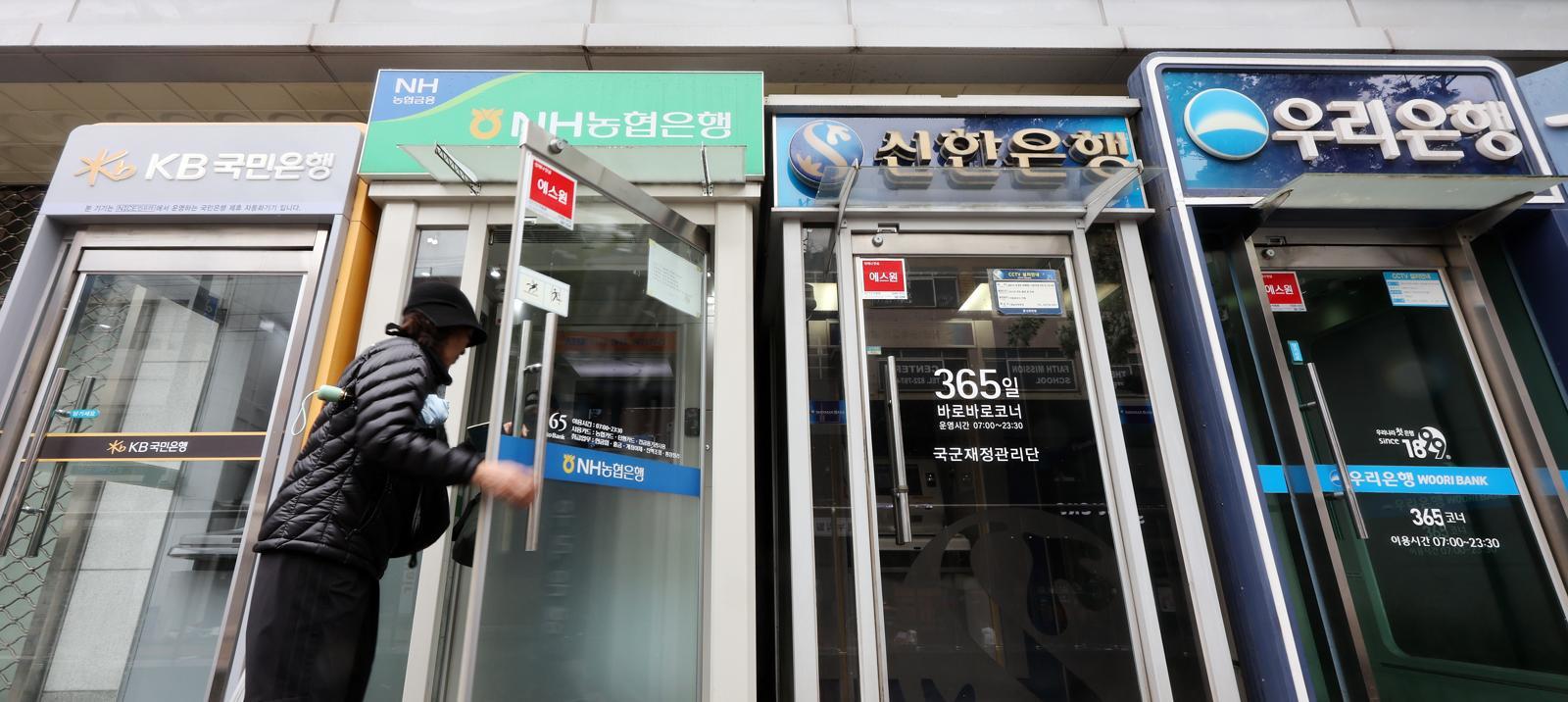
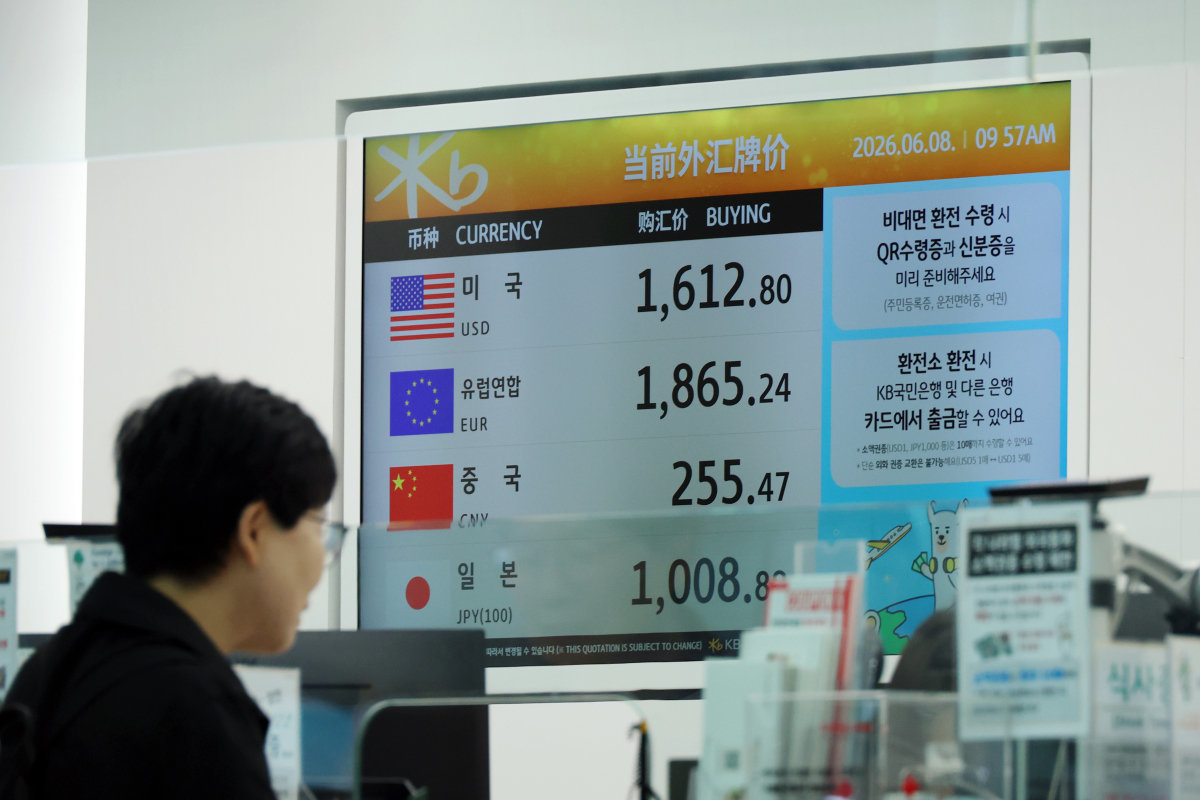
Dual pressure of 'Sell Korea' and strong dollar solidifies exchange rate above 1500 won
Translated from Korean, summarized and contextualized by DistantNews.
At a glance
News
Sources not specified
Context piece
- The South Korean won is weakening significantly against the US dollar, reaching levels not seen since the 2008 financial crisis.
- This currency depreciation is attributed to large-scale foreign investor sell-offs of South Korean stocks and a continued global dollar strength, despite a strong trade surplus and a rising stock market.
- The high exchange rate poses risks to inflation and industries reliant on dollar imports, prompting government intervention and discussions of potential interest rate hikes.
The South Korean won is facing a "dual pressure" from a strong dollar and "Sell Korea" sentiment among foreign investors, pushing the exchange rate towards 1500 won per dollar. While government intervention has temporarily eased the immediate pressure, experts warn that a prolonged period of high exchange rates could negatively impact inflation and businesses.
The government has limits on how much dollar it can release.
The won's sharp decline is unusual given South Korea's robust economic performance, including a record trade surplus in the first four months of the year and a rising stock market. Typically, these factors would strengthen the won. However, foreign investors have been aggressively selling South Korean stocks, offloading over 113 trillion won since January. This trend has intensified recently, with continuous net selling for 22 trading days in May and June, amounting to over 70 trillion won.
This "Sell Korea" phenomenon is partly explained by portfolio rebalancing as the KOSPI index surged. When foreign investors sell Korean stocks, they convert won into dollars, increasing dollar demand and weakening the won. The impact of returning retail investors selling US stocks to invest in Korea is minimal in comparison.
We must consider a 0.5% interest rate hike to prevent excessive volatility and its impact on inflation if the exchange rate approaches 1600 won per dollar, despite various foreign exchange policy interventions.
Furthermore, domestic companies are accumulating dollars earned from their overseas subsidiaries rather than repatriating them, limiting their impact on currency stabilization. Global factors, such as prolonged geopolitical tensions in the Middle East and expectations of further US interest rate hikes, also contribute to dollar strength and, consequently, won weakness.
Even if the factors of Middle East risk and foreign stock selling disappear, the won/dollar exchange rate could settle in the 1500s.
While South Korea's position as a net external creditor nation mitigates the risk of a full-blown economic crisis, the sustained high exchange rate presents significant challenges. Industries heavily reliant on dollar-denominated imports, like airlines and petrochemicals, face rising costs. A prolonged high exchange rate also fuels domestic inflation, burdening consumers. The government has intervened in the foreign exchange market, but analysts suggest that the high exchange rate might persist as a "new normal" due to increased global money supply and ongoing geopolitical risks. Some predict a potential interest rate hike by the Bank of Korea if the won continues to weaken.
Excluding the overshooting due to concerns about US interest rate hikes and foreign stock selling, 1480-1490 won should be considered the appropriate exchange rate.
DistantNews Editorial
Originally published by Dong-A Ilbo in Korean. Translated, summarized, and contextualized by our editorial team with added local perspective. Read our editorial standards.
More Stories


From Our Blog

What Gets Lost (and Found) When News Is Translated

The Critical Role of Diaspora Media in Global News

What Travellers Should Know About Countries with Restricted Press

A Digital Nomad's Guide to Following Local News

How the Same Story Looks Different in Different Countries
