


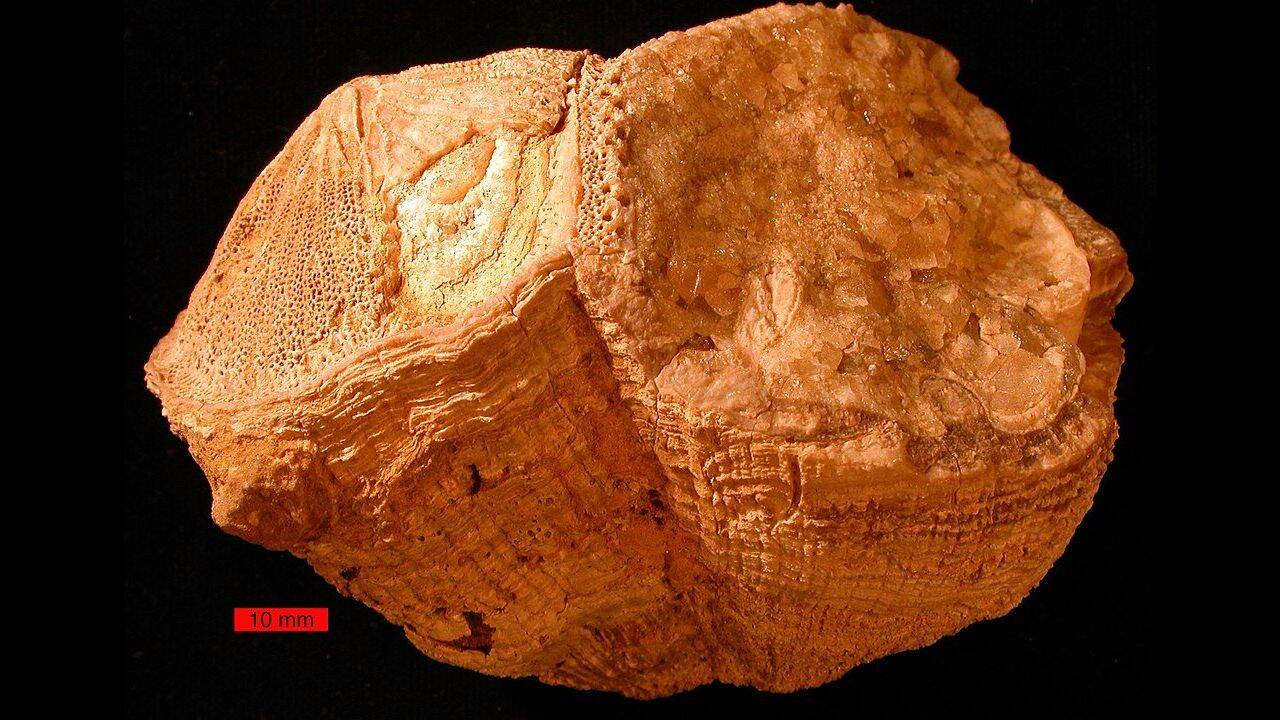
Earth had 372-day year, 23-hour days 70 million years ago, study finds
Translated from English, summarized and contextualized by DistantNews.
At a glance
News
Sources not specified
Context piece
- Ancient mollusc shells reveal Earth had 372 days per year and 23-hour days about 70 million years ago.
- The study also indicated warmer ocean temperatures and a greater distance between the Earth and Moon during the Cretaceous period.
- Evidence of photosymbiosis was also found, suggesting a symbiotic relationship between organisms.
Fossilized mollusc shells have provided a window into Earth's distant past, revealing that our planet once had a significantly different rotation and orbit. Around 70 million years ago, during the Cretaceous period, Earth completed 372 days in a year, with each day lasting approximately 23 hours and 31 minutes. This finding stems from detailed research into the growth patterns and structures within ancient shells.
The study, which examined the fossilized remains of a mollusc that lived for over nine years on a tropical seabed, also shed light on other ancient environmental conditions. Scientists observed evidence suggesting warmer ocean temperatures than present day. Furthermore, the research indicated a greater distance between the Earth and the Moon during this era.
An additional intriguing discovery from the analysis of the shells was evidence of photosymbiosis. This suggests that organisms living in the ancient oceans engaged in symbiotic relationships, likely involving algae or other photosynthetic organisms, contributing to the ecosystem's dynamics.
DistantNews Editorial
Originally published by Times of India in English. Translated, summarized, and contextualized by our editorial team with added local perspective. Read our editorial standards.
More Stories



From Our Blog

What Press Freedom Means for the News You Read

What Gets Lost (and Found) When News Is Translated

The Critical Role of Diaspora Media in Global News

What Travellers Should Know About Countries with Restricted Press

A Digital Nomad's Guide to Following Local News
