


Earthquake Shakes Naples Region; 21 Injured, Buildings Damaged
Translated from German, summarized and contextualized by DistantNews.
At a glance
News
From a news agency
Ongoing story
- The region around Naples, Italy, experienced its strongest earthquake in about 40 years, followed by numerous aftershocks.
- The main quake registered a magnitude of 4.7, with a significant aftershock reaching 3.8, causing fear and prompting residents to evacuate their homes.
- Authorities reported 21 injuries, primarily in the coastal town of Pozzuoli, where damage to buildings and infrastructure occurred.
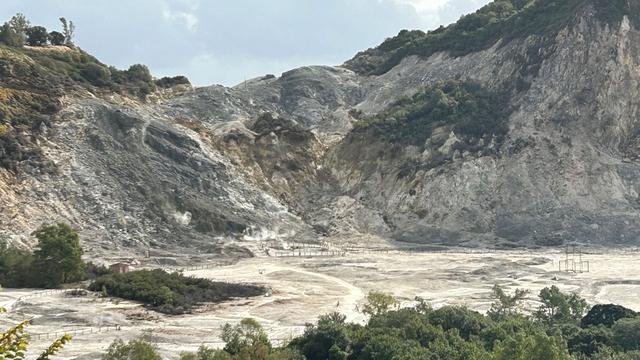
The area surrounding Naples, Italy, was shaken by the strongest earthquake in approximately four decades on Friday evening, followed by a series of aftershocks throughout the night. The National Institute for Geophysics and Volcanology (INGV) recorded the initial tremor at a magnitude of 4.7, with its epicenter located in the Phlegraean Fields. Several subsequent tremors, including one measuring 3.8, continued until morning.
The seismic activity was felt intensely in towns around the Phlegraean Fields, as well as in Naples itself and on the islands of Ischia and Procida. Fearful residents fled their homes, spending the night outdoors. Power outages were reported in some affected areas. One resident described the shaking as so severe that they could not open their jammed apartment door, emphasizing that while accustomed to tremors, the intensity was unprecedented.
The quake was so strong and sustained that I couldn't even open the apartment door because it was jammed. After yesterday's scare, it was impossible to spend the night at home.
Authorities confirmed that 21 people sustained injuries, with the coastal town of Pozzuoli being particularly affected. Walls and facade sections crumbled, and tuff slopes gave way under the stress of the quakes. Falling rocks and debris damaged vehicles, and buildings suffered structural damage. A crisis center was established by the authorities on Friday evening.
The Phlegraean Fields, a zone of high volcanic activity and home to Europe's largest active supervolcano, have been experiencing frequent seismic events, though typically less intense. The Italian government had previously developed contingency plans, including potential evacuation strategies for hundreds of thousands of residents, in response to the area's volcanic and seismic risks. Prime Minister Giorgia Meloni is reportedly monitoring the situation and maintaining contact with local authorities.
We are used to a lot, but not of this strength.
DistantNews Editorial
Originally published by Die Zeit in German. Translated, summarized, and contextualized by our editorial team with added local perspective. Read our editorial standards.
More Stories


From Our Blog

What Gets Lost (and Found) When News Is Translated

How the Same Story Looks Different in Different Countries

The Critical Role of Diaspora Media in Global News

What Travellers Should Know About Countries with Restricted Press

A Digital Nomad's Guide to Following Local News
