


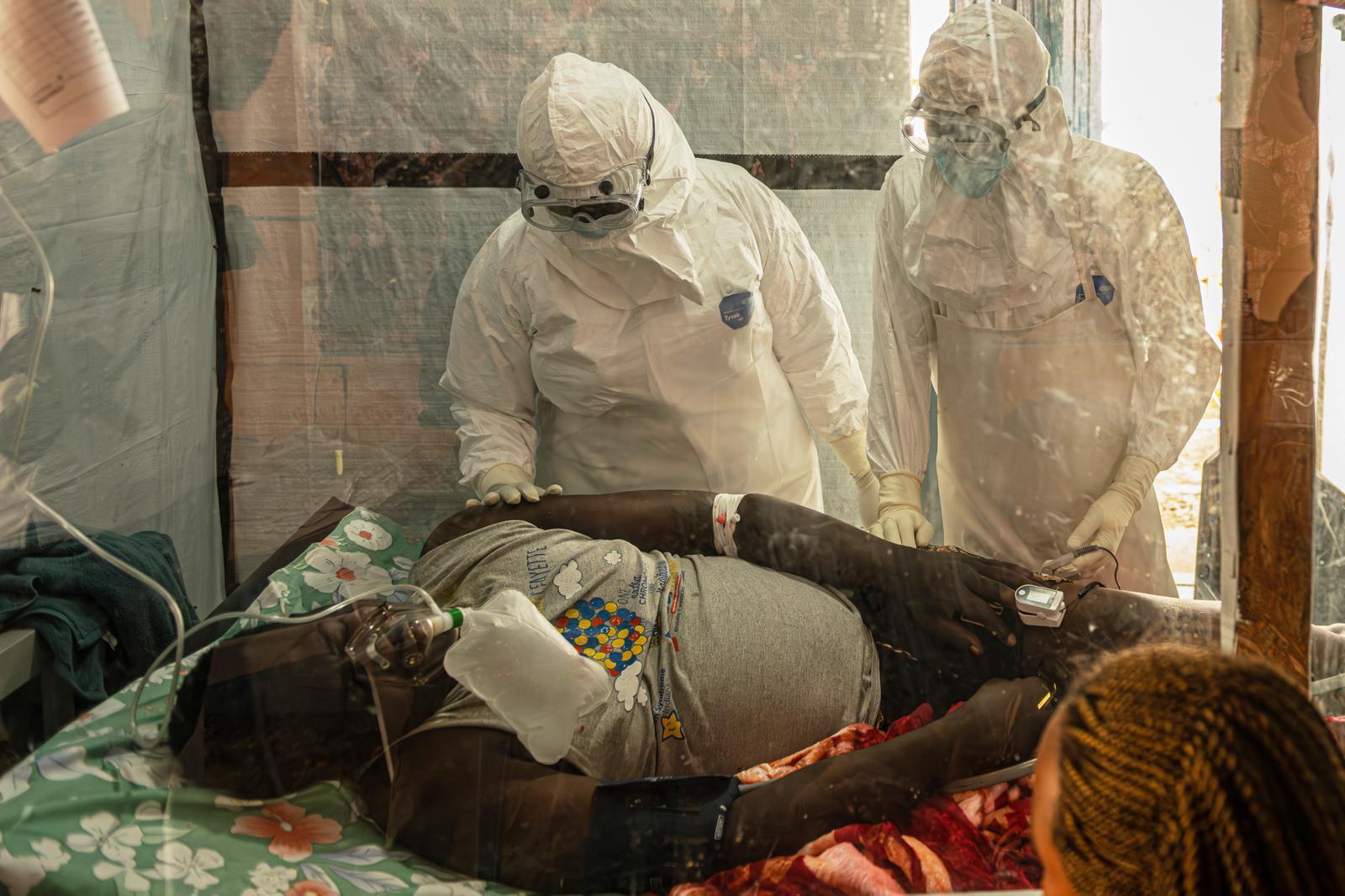
Ebola Outbreak Spreads at Record Pace in Congo, Killing 1,500
Translated from Korean, summarized and contextualized by DistantNews.
At a glance
News
Named sources
Ongoing story
- Ebola cases in the Democratic Republic of Congo have surpassed 3,500, with over 1,500 deaths, making it the second-largest outbreak in history.
- The current outbreak is spreading at an unprecedented rate, five times faster than previous ones, and lacks a specific vaccine or treatment, with potential treatments months away.
- Health officials face challenges due to ongoing insecurity from armed groups in eastern Congo and a significant reduction in international aid, while the World Health Organization warns the actual scale could be four times larger than reported.
The Democratic Republic of Congo is grappling with a devastating outbreak of the Bundibugyo variant of Ebola, which has infected over 3,500 people and claimed more than 1,500 lives as of July 31. This marks the second-largest Ebola epidemic on record, trailing only the 2014-2016 West Africa outbreak that saw nearly 29,000 cases and over 11,000 deaths.
However, experts express grave concern, describing the current spread as the fastest they have ever witnessed. The African Centers for Disease Control and Prevention (Africa CDC) reports that the mortality rate is approximately five times faster than in past outbreaks. This rapid proliferation is overwhelming containment efforts, with the World Health Organization (WHO) warning that the true number of cases could be up to four times higher than officially reported.
The Ebola outbreak we have witnessed so far is spreading the fastest.
Compounding the crisis, the region faces significant security challenges. Dozens of armed groups operate in eastern Congo, hindering the work of healthcare professionals and aid organizations. Compounding these difficulties, international aid has drastically decreased, leaving response efforts severely underfunded. The WHO estimates that $1.4 billion is needed to control the outbreak, but only a fraction of that amount has been secured for the current response plan.
People still go to traditional healers, and the chain of transmission continues. Ebola has now become completely entrenched in the community.
DistantNews Editorial
Originally published by Dong-A Ilbo in Korean. Translated, summarized, and contextualized by our editorial team with added local perspective. Read our editorial standards.
More Stories



From Our Blog

What Gets Lost (and Found) When News Is Translated

The Critical Role of Diaspora Media in Global News

What Travellers Should Know About Countries with Restricted Press

A Digital Nomad's Guide to Following Local News

How the Same Story Looks Different in Different Countries
