



Homes become dangerous in extreme heat, doubling indoor heat illness cases
Translated from Korean, summarized and contextualized by DistantNews.
At a glance
News
Sources not specified
Context piece
- Extreme heat waves significantly increase the proportion of heatstroke patients who suffer at home, doubling the rate from 6% to 12% when daily high temperatures exceed 38 degrees Celsius.
- Similar trends are observed in France and Japan, where high temperatures led to a surge in heat-related deaths, with a notable increase in fatalities occurring within homes lacking air conditioning.
- South Korea's Ministry of the Interior and Safety urges citizens to actively use cooling devices, maintain indoor temperatures, and utilize public heat shelters during severe heat waves.
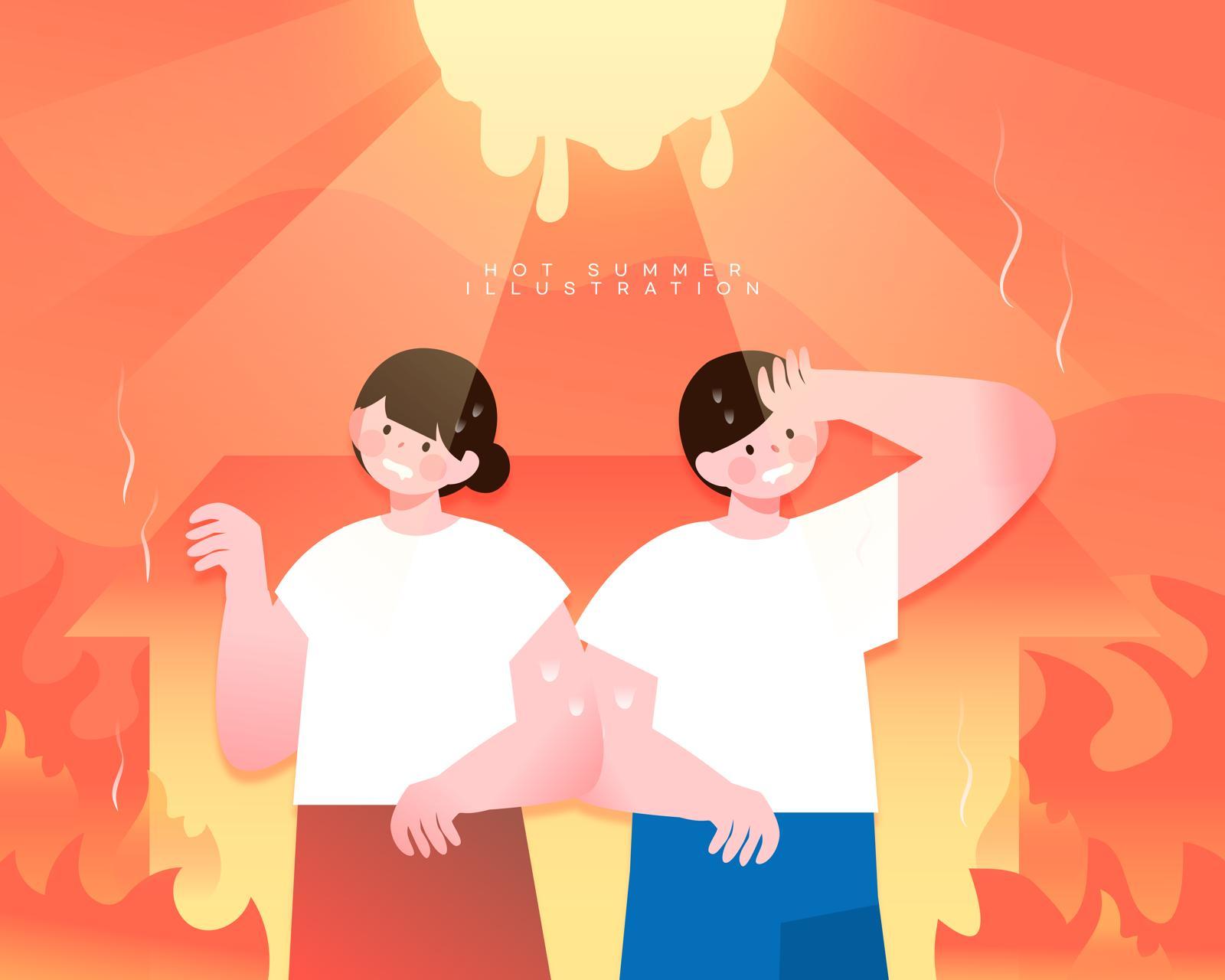
When temperatures soar above 38 degrees Celsius (100.4 degrees Fahrenheit), homes can become dangerous, with the rate of heat-related illnesses occurring indoors doubling.
When temperatures soar above 38 degrees Celsius, homes can become dangerous, with the rate of heat-related illnesses occurring indoors doubling.
Data from South Korea's Ministry of the Interior and Safety shows that while most heatstroke patients are typically found in outdoor work settings or public spaces, the proportion suffering at home rises to 12% during extreme heat, up from a usual 6%. This highlights the risk posed by homes without adequate cooling.
International examples underscore this danger. In France, where average temperatures reached 30 degrees Celsius in June with highs of 44.3 degrees, heat-related deaths increased by 36.2% compared to previous years. During the peak of the heatwave, home fatalities jumped 91% week-over-week, a trend linked to the low rate of air conditioning in French homes. In response, the government initiated measures to protect vulnerable individuals isolated at home, including establishing cooling centers and checking on the elderly.
During the peak of the heatwave, home fatalities jumped 91% week-over-week.
Japan also experienced a similar pattern. From July 21-25, with temperatures exceeding 40 degrees Celsius daily, over 18,000 people were hospitalized for heatstroke. Notably, 40.9% of these cases originated from homes, not workplaces or outdoor areas. Investigations into 35 heatstroke deaths in Tokyo revealed that 74% of victims lived in homes without functioning air conditioning. The Japanese government urged citizens to use air conditioning appropriately and designated cooling shelters across municipalities.
40.9% of these cases originated from homes, not workplaces or outdoor areas.
South Korean Minister of the Interior and Safety, Yoon Ho-jung, advised the public to actively use cooling appliances to maintain comfortable indoor temperatures day and night. He also encouraged people to familiarize themselves with the locations and operating hours of nearby public heat shelters and to use them during extreme heat conditions.
74% of victims lived in homes without functioning air conditioning.
DistantNews Editorial
Originally published by Hankyoreh in Korean. Translated, summarized, and contextualized by our editorial team with added local perspective. Read our editorial standards.
More Stories


From Our Blog

What Gets Lost (and Found) When News Is Translated

The Critical Role of Diaspora Media in Global News

What Travellers Should Know About Countries with Restricted Press

A Digital Nomad's Guide to Following Local News

How the Same Story Looks Different in Different Countries
