

Efforts underway to end deadlock over judges’ appointments
Summarized and contextualized by DistantNews.
At a glance
News
Named sources
Under investigation
- The Pakistani government's legal team will meet with Presidency officials to resolve a deadlock over judicial appointments.
- The government is considering unilaterally appointing judges, but the matter is now sub judice.
- Objections have been raised by the Presidency regarding the Judicial Commission of Pakistan's recommendations, including concerns about nominees' backgrounds.
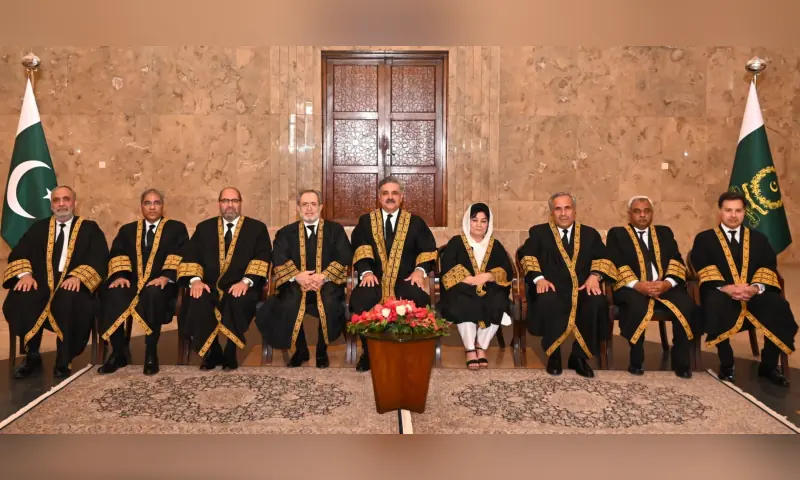
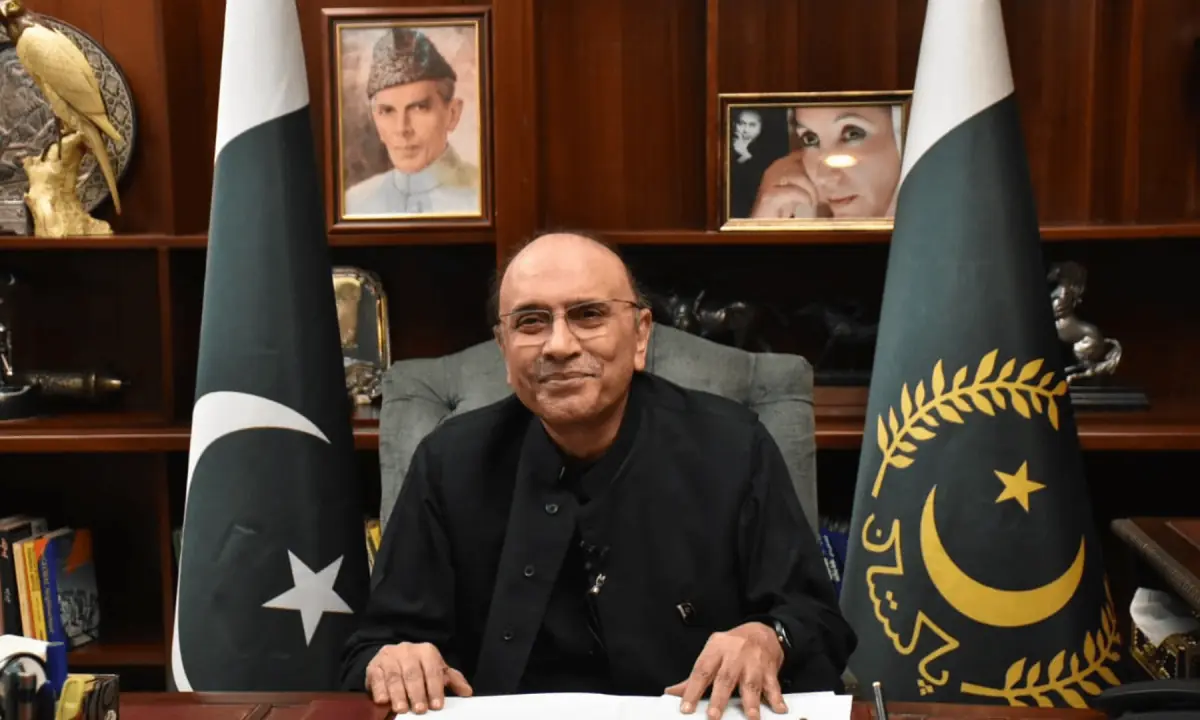
The Pakistani government is making a final attempt to break the deadlock over judicial appointments by meeting with Presidency officials. The government's legal team is exploring the possibility of unilaterally notifying the confirmation and appointment of high court judges. This move comes as the Islamabad High Court is set to rule on a petition challenging President Asif Ali Zardari's alleged failure to assent to the recommendations of the Judicial Commission of Pakistan (JCP).
The JCP had recommended the confirmation of four additional judges for the Peshawar High Court, an extension for a Sindh High Court judge, and the appointment of 19 additional judges to various high courts. According to the constitution, these recommendations were forwarded to the prime minister and then to the president. However, the summary has remained with the president since then.
The government is considering invoking Article 48(1) of the Constitution, arguing that the president should have acted on the summary within a fortnight. However, officials state that notifications cannot be issued while the matter is sub judice. The Presidency's legal team has raised objections, citing that many PPP-nominated candidates were rejected and some recommended individuals have criminal records. They also argue that Article 175-A does not specify a timeframe for presidential action and cannot be overridden by Article 48(1).
Sources in the Presidency cautioned that unilateral action would be a "political and legal disaster," emphasizing the need for consensus. They warned that bypassing the procedure could lead to significant complications and suggested resolving ambiguities in the relevant articles through mutual consultation.
political and legal disaster
DistantNews Editorial
Originally published by Dawn. Summarized and contextualized by our editorial team with added local perspective. Read our editorial standards.
More Stories
From Our Blog

What Gets Lost (and Found) When News Is Translated

The Critical Role of Diaspora Media in Global News

What Travellers Should Know About Countries with Restricted Press

A Digital Nomad's Guide to Following Local News

How the Same Story Looks Different in Different Countries
