


Egypt: Three New Tombs Uncovered in Saqqara Reveal Ancient Secrets
Translated from Polish, summarized and contextualized by DistantNews.
At a glance
News
Official statement
Outcome reported
- Egyptian archaeologists discovered three new tombs in the Bubasteion necropolis in Saqqara, dating back to the New Kingdom period (16th to 11th centuries BCE).
- The tombs belonged to state officials and community members, including an administrator and military official named Mentuhotep, a Great Merchant named Samut, and a supervisor named Nehsi.
- One tomb contained an inscription mentioning a military commander's return from Syria, providing crucial evidence of Egypt's political and military relations with the Middle East during that era.
An Egyptian archaeological mission has unearthed three previously unknown tombs in Saqqara, a significant ancient site. These tombs, dating from the New Kingdom (16th to 11th centuries BCE), offer new insights into the lives of state officials and community members.
The discovery was made in the Bubasteion cemetery, an area known for its rich archaeological finds. The tombs yielded significant epigraphic and architectural material, shedding light on the history of the ancient necropolis of Memphis and its elite.
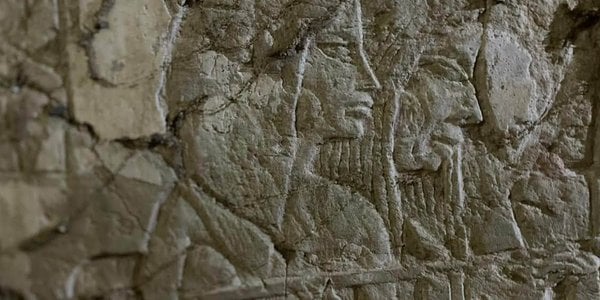
The first tomb belonged to Mentuhotep, an official who held key administrative and military posts. Its walls feature detailed scenes of sacrificial processions, hunting, and a large depiction of Mentuhotep with his mother. His titles, including hereditary prince and mayor, are inscribed, though a burial shaft remains unexplored.
The second tomb belonged to Samut, identified as a Great Merchant of the god Ptah. This tomb provides a rare genealogical record, listing his wife, mother (a singer of Amon), and four children, offering a glimpse into the family life of the era's elite.
The third tomb, though less preserved, contains historically valuable inscriptions. It identifies its owner as a house supervisor and his wife. Notably, a fragment of a column within this tomb mentions a military commander's return from Naharin, a region in northern Syria. This inscription precisely dates the tomb to the New Kingdom and serves as vital evidence of Egypt's historical military and political ties with the Middle East.
The discovery includes hieroglyphic inscriptions and important archaeological elements that shed new light on the history of the ancient necropolis of Memphis and enrich knowledge about the history of state officials and the community of that era.
DistantNews Editorial
Originally published by Rzeczpospolita in Polish. Translated, summarized, and contextualized by our editorial team with added local perspective. Read our editorial standards.
More Stories



From Our Blog

What Gets Lost (and Found) When News Is Translated

The Critical Role of Diaspora Media in Global News

What Travellers Should Know About Countries with Restricted Press

A Digital Nomad's Guide to Following Local News

How the Same Story Looks Different in Different Countries
