


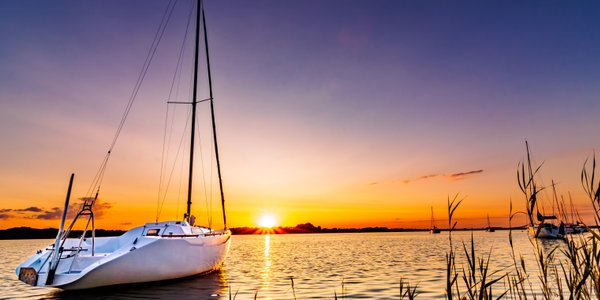
Eight of Poland's cleanest lakes named, but public urged to stay away
Translated from Polish, summarized and contextualized by DistantNews.
At a glance
In-depth
Documents & data
Context piece
- National Geographic Polska identified eight of Poland's cleanest lakes based on recent GIOŚ data.
- The lakes are primarily located in the Warmia and Mazury, Wielkopolska, Pomerania, and West Pomerania regions.
- The publication urges against mass tourism at these sensitive ecological sites to preserve their unique ecosystems.
Eight lakes across Poland have been recognized for their exceptional water quality, according to an analysis by National Geographic Polska using recent data from the Chief Inspectorate of Environmental Protection (GIOŚ).
These pristine bodies of water are predominantly found in the northern regions of Poland, including the Warmia and Mazury lake districts, as well as areas in Wielkopolska, Pomerania, and West Pomerania. The identified lakes boast the highest water quality parameters, making them stand out among Poland's over 9,000 large lakes.
The list of the eight cleanest lakes, in alphabetical order, includes Jezioro Budzisławskie (Wielkopolska), Jezioro Karskie Wielkie (West Pomerania), Jezioro Kirsajty (Warmia and Mazury), Jezioro Kownatki (Warmia and Mazury), Jezioro Lubowidzkie (Pomerania), Jezioro Malcz Północny (Lubuskie), Jezioro Płaskie (Warmia and Mazury), and Jezioro Włókna (Wielkopolska).
Beyond the overall ranking, specific lakes were highlighted for particular qualities. Jezioro Płaskie in the Giby municipality achieved the best physical and chemical water parameters. For water clarity, Jezioro Ostrowite in the Bory Tucholskie National Park stood out, with underwater vegetation thriving down to 10 meters. Similar clarity was noted in Jezioro Białe Wigierskie and Jezioro Białe Filipowskie within Wigierski National Park, and Jezioro Budzisławskie, popular among divers for this reason.
Jezioro Sedraneckie in the Masurian Lake District was recognized for having the lowest levels of toxic substances and a rich diversity of fish species. Despite these accolades, National Geographic Polska cautions against mass tourism, emphasizing the unique ecological sensitivity of these awarded lakes. The publication advocates for minimal human interference to preserve their delicate ecosystems.
DistantNews Editorial
Originally published by Rzeczpospolita in Polish. Translated, summarized, and contextualized by our editorial team with added local perspective. Read our editorial standards.
More Stories

From Our Blog

What Gets Lost (and Found) When News Is Translated

The Critical Role of Diaspora Media in Global News

What Travellers Should Know About Countries with Restricted Press

A Digital Nomad's Guide to Following Local News

How the Same Story Looks Different in Different Countries
