



El Niño: 82% of Peru’s hospitals could stop operating during a natural disaster
Translated from Spanish and summarized by DistantNews. Read the original for the full story.
At a glance
News
Documents & data
Context piece
- A Health Ministry assessment found that 82% of evaluated hospitals and institutes in Peru fall into categories requiring short-term or urgent safety improvements, while only 18% meet the highest resilience category.
- The ministry lists floods, landslides, heavy rain, earthquakes, tsunamis, volcanic activity, wildfires and extreme cold among the country’s main hazards.
- Limited funding, staff turnover and weak implementation could hinder efforts to keep health services operating during a major disaster.
Peru’s health system faces a stark contradiction: the facilities expected to respond to emergencies are themselves exposed to them. A Health Ministry roadmap through 2030 says 82% of the hospitals and institutes assessed nationwide are not in optimal condition to withstand a disaster.
The ministry used the Hospital Safety Index to classify facilities according to their ability to continue operating during an emergency. Only 18% fall into Category A, which indicates a higher probability of remaining functional. The other 82% are in Categories B and C, meaning they need safety improvements either in the short term or urgently.
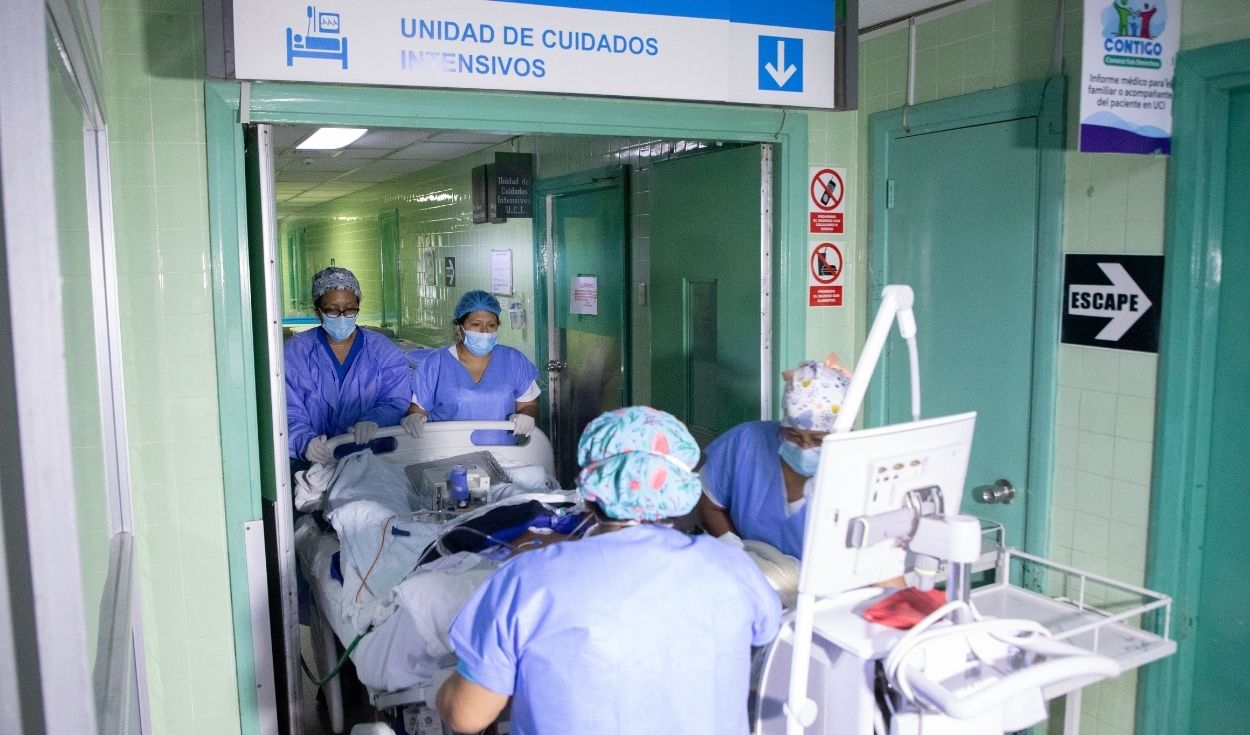
The difference could become critical during a large-scale disaster. A hospital that loses critical areas, basic services or operational capacity may stop treating patients just as demand rises from injured people, evacuees and those requiring continuous care.
The risks identified by the ministry include floods, landslides, mudflows, intense rain, earthquakes, tsunamis, volcanic activity, forest fires and events associated with low temperatures. The country also faces more frequent or intense extreme weather events, according to the document.
Primary-care facilities add another concern. Peru has 8,279 such establishments, representing 97.87% of all health facilities. They form the system’s entry point and play a key role in rural and peripheral areas, where disasters can make transfers to higher-level hospitals even more difficult. The ministry says it still needs better tools to assess their safety and determine which measures would reduce their vulnerability. Funding shortages, staff turnover, limited access to information and problems carrying out risk-reduction measures remain obstacles.
We are not in time to correct it.
About this summary
Originally published by La República in Spanish. Translated, summarized, and contextualized automatically by DistantNews, with a note on how the source frames the story. Not individually reviewed before publishing. How this works.
More Stories
From Our Blog

News in Translation: What Gets Lost, and How We Keep the Framing

Diaspora Media: How Communities Abroad Follow Home

Traveling Where the Press Is Not Free: How to Read the News There

The Digital Nomad's Guide to Local News

The Same Story, Different Countries: How Coverage Changes at the Border
