

El Niño Costero accelerates glacier retreat in Peru's Huascarán, experts warn of floods and water shortages
Translated from Spanish, summarized and contextualized by DistantNews.
At a glance
News
Named sources
Context piece
- Peru has lost over 42% of its glacier surface area in the last six decades, with El Niño events accelerating this retreat.
- Experts warn that the rapid melting of glaciers in the Cordillera Blanca poses risks of natural disasters and water scarcity.
- El Niño Costero causes anomalous sea warming, leading to increased rainfall instead of snow, which erodes glaciers and prevents mass accumulation.
Peru's glaciers are disappearing at an alarming rate, with over 42% of the country's glacial surface lost in the past six decades. This retreat is significantly accelerated during El Niño events, particularly the "El Niño Costero" phenomenon, which can cause glacial loss up to three times greater than in normal years, according to the National Institute of Research on Glaciers and Mountain Ecosystems (Inaigem).
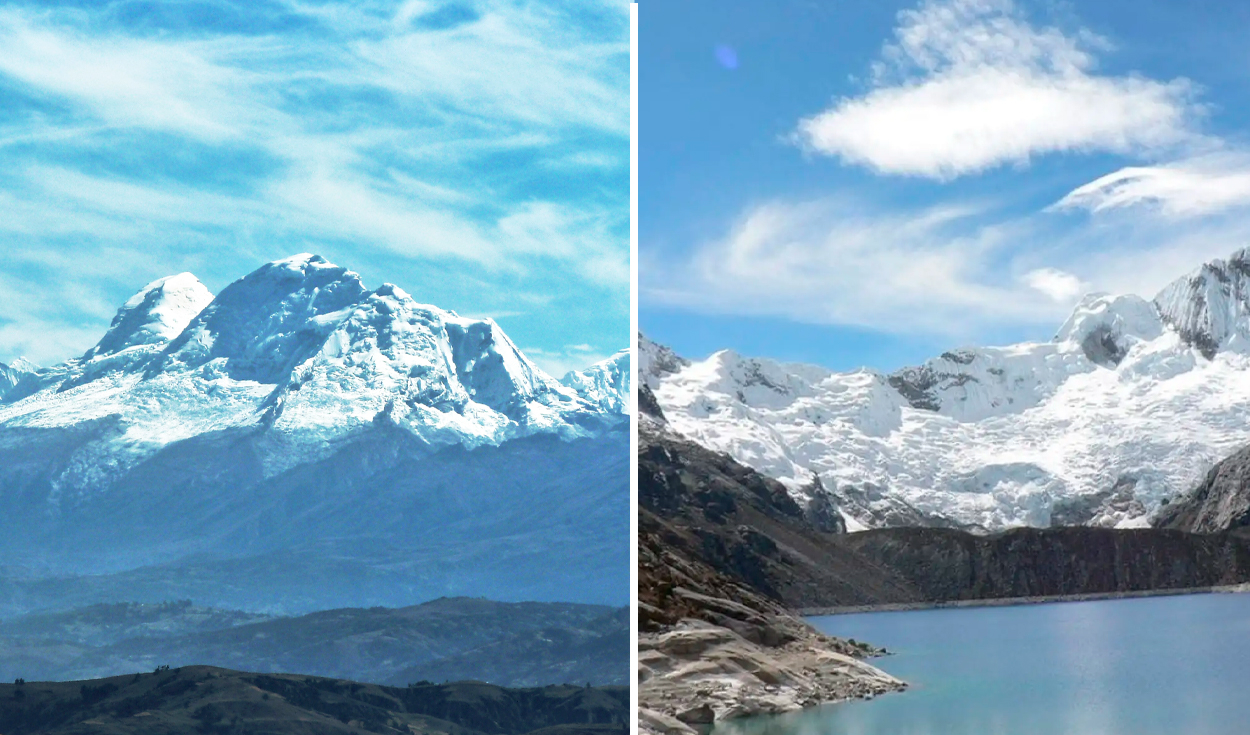
The situation is especially concerning in the Cordillera Blanca in Áncash, home to the Huascarán peak and Peru's largest concentration of tropical glaciers. The rapid melting not only transforms the Andean landscape but also threatens the water security of thousands and increases the likelihood of natural disasters.
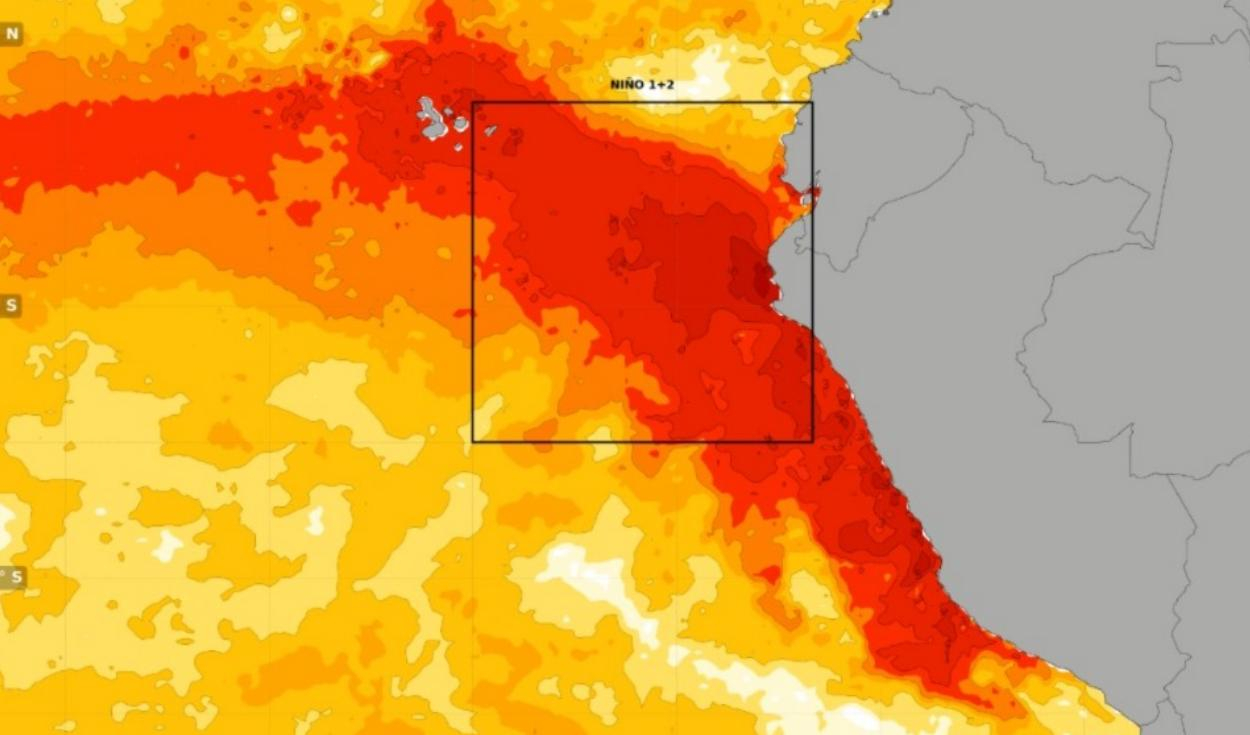
Cinthya Bello, a researcher at the Scientific University of the South, explained that El Niño Costero causes anomalous warming of the sea off the coasts of Peru and Ecuador. This oceanic warming raises air temperatures in the mountains and alters precipitation patterns. "Glaciers need to accumulate solid precipitation, meaning snow or hail, to gain mass and remain stable. During an El Niño Costero event, liquid precipitation, like rain, predominates, eroding the glacial surface and preventing this accumulation," Bello stated.
This means that while glaciers normally recover some ice during the snowy season, the rains associated with the warming melt this snow before it can compact into new ice. Paola Moschella, director of glacier research at Inaigem, concurs, noting that increased sea surface temperatures lead to rainfall that melts accumulated snow. Additionally, the accumulation of black carbon particles, or soot, on glacier surfaces during these events further accelerates melting by darkening the ice and reducing its reflectivity.
DistantNews Editorial
Originally published by La República in Spanish. Translated, summarized, and contextualized by our editorial team with added local perspective. Read our editorial standards.
More Stories

From Our Blog

What Gets Lost (and Found) When News Is Translated

The Critical Role of Diaspora Media in Global News

What Travellers Should Know About Countries with Restricted Press

A Digital Nomad's Guide to Following Local News

How the Same Story Looks Different in Different Countries
