

El Niño Could Worsen Hunger as Millions of Peruvians Face Food Insecurity
Translated from Spanish and summarized by DistantNews. Read the original for the full story.
At a glance
News
Named sources
Ongoing story
- About three in 10 Peruvians experienced moderate or severe food insecurity in 2025, according to the article.
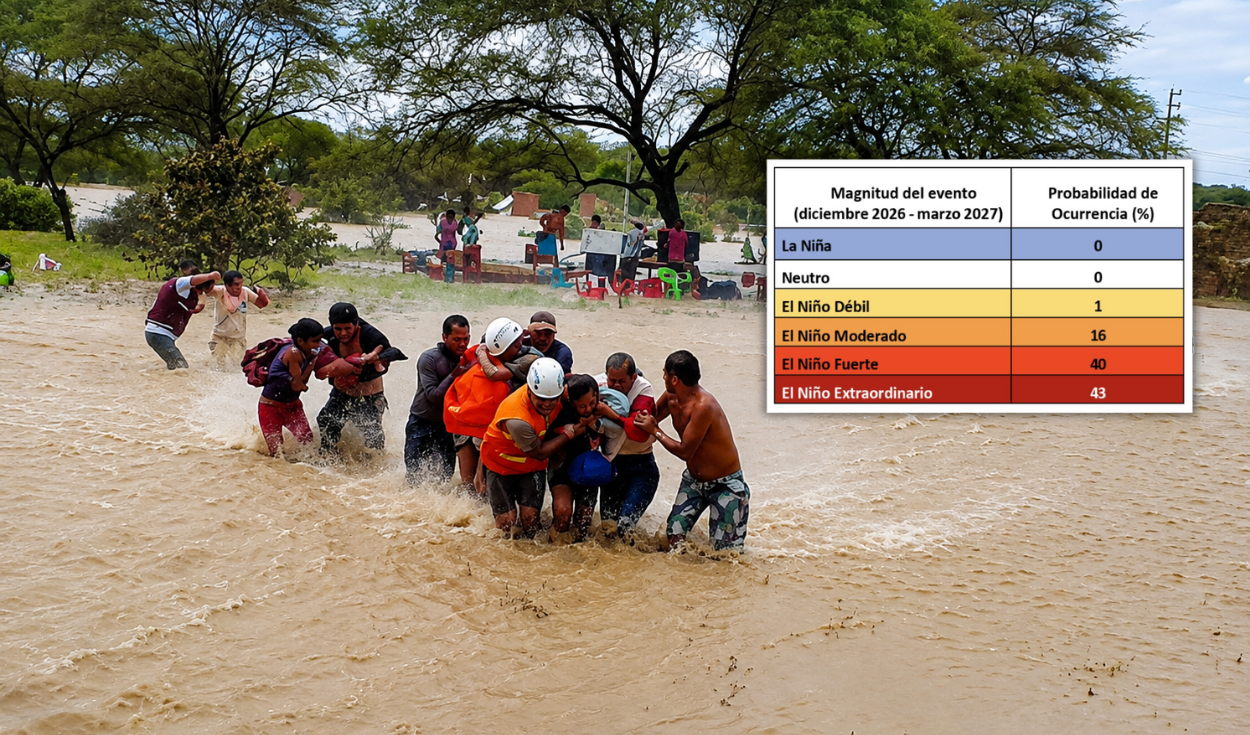
- Potential El Niño impacts, including crop losses, road disruptions and higher food prices, could worsen access to food.
- Poor households, vulnerable non-poor families and small-scale farmers face particular exposure to the risks.
Peru could enter another climate emergency with roughly one-third of its population already struggling to secure adequate food. In 2025, 30.5 percent of Peruvians experienced moderate or severe food insecurity, meaning about three in 10 people had difficulty obtaining enough suitable food regularly.
The risks could increase if El Niño brings crop losses, cuts roads linking production areas to markets or pushes food prices higher. “We are talking about a third of the country that already has difficulty guaranteeing its food before facing a new climate emergency,” said Jessica Huamán, national coordinator of Peru’s Platform for Food Security. “We cannot wait for the problem to reach families’ tables before we begin to act.”
Economic vulnerability adds to the concern. The article says 25.7 percent of the population lived in monetary poverty in 2025, or about 8.8 million people. Another 32.8 percent were classified as vulnerable non-poor, with incomes that cover basic needs but leave them highly exposed to falling into poverty during a crisis.
We are talking about a third of the country that already has difficulty guaranteeing its food before facing a new climate emergency. If El Niño causes crop losses, road disruptions or increases in food prices, this situation could worsen quickly. We cannot wait for the problem to reach families’ tables before we begin to act.
“More than 11 million Peruvians, although statistically not poor, have a very fragile economy,” Huamán said. A sustained rise in food prices, a lost harvest or lower household income caused by El Niño could push them back into poverty and worsen their diets.
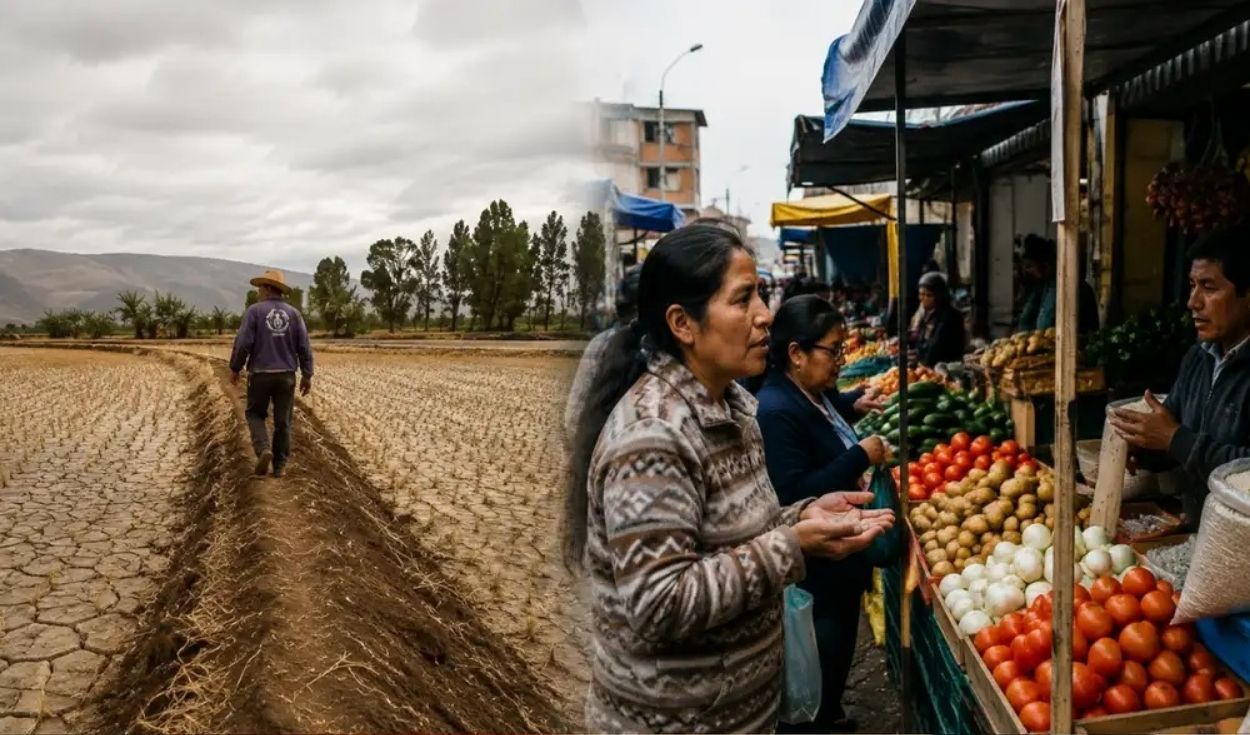
Family farming is among the sectors most exposed. Heavy rain, floods, droughts and other climate events could damage crops, livestock and productive infrastructure, threatening both small farmers’ incomes and food supplies for cities, with later effects on prices.
More than 11 million Peruvians, although statistically not poor, have a very fragile economy. A sustained rise in food prices, a lost harvest or lower household income caused by El Niño could push them back into poverty and worsen their food security.
About this summary
Originally published by La República in Spanish. Translated, summarized, and contextualized automatically by DistantNews, with a note on how the source frames the story. Not individually reviewed before publishing. How this works.
More Stories
From Our Blog

What Gets Lost (and Found) When News Is Translated

The Critical Role of Diaspora Media in Global News

What Travellers Should Know About Countries with Restricted Press

A Digital Nomad's Guide to Following Local News

How the Same Story Looks Different in Different Countries
