


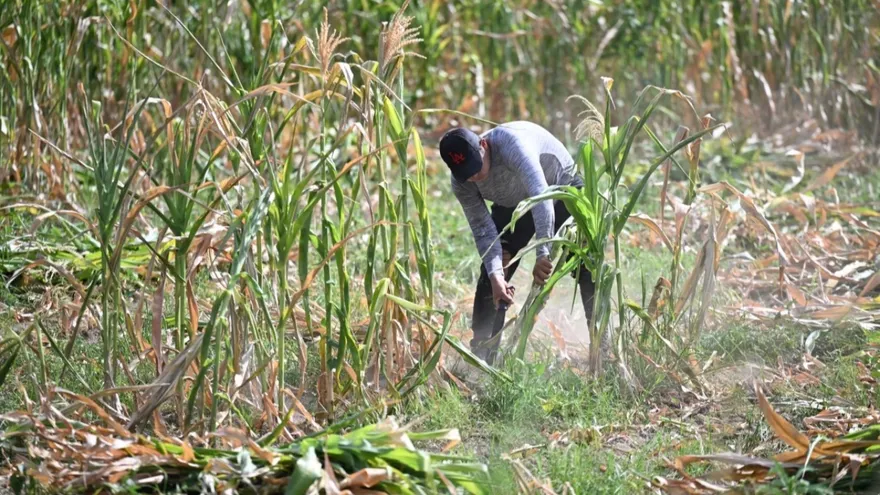
El Niño drought devastates Salvadoran farmers, destroying crops
Translated from Spanish and summarized by DistantNews. Read the original for the full story.
At a glance
News
Sources not specified
Context piece
- Salvadoran farmers face crop losses due to a severe drought caused by El Niño, with the country declaring a state of emergency.
- The drought has reduced water levels and destroyed crops, impacting farmers like Dolores Menjívar, who lost her corn harvest and fears for her livelihood.
- The Salvadoran Chamber of Small and Medium Agricultural Producers estimates a 20% loss in the first basic grain harvest due to the water crisis.
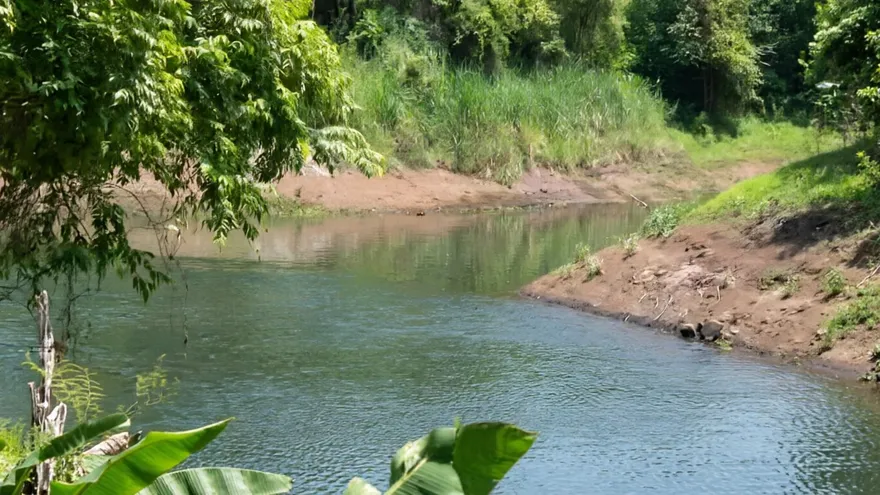
Farmers in a central Salvadoran village are watching their crops wither under the relentless drought brought by El Niño, a phenomenon experts warn could be the most intense on record. The nation of six million has declared a state of emergency as a widespread drought grips the land, with August seeing 14 temperature records broken, according to environmental authorities.
The lack of rain, which typically falls during this season, has depleted water sources and ruined harvests. Dolores Menjívar, a 38-year-old single mother, invested $1,000 in a cornfield meant for feeding chickens. The crop is now lost to the drought, leaving her with only $150 from selling the fodder. "The loss I have suffered is immense... the faith we had has been shattered," she told AFP, adding that her well has also dried up.
The loss I have suffered is immense... the faith we had has been shattered.
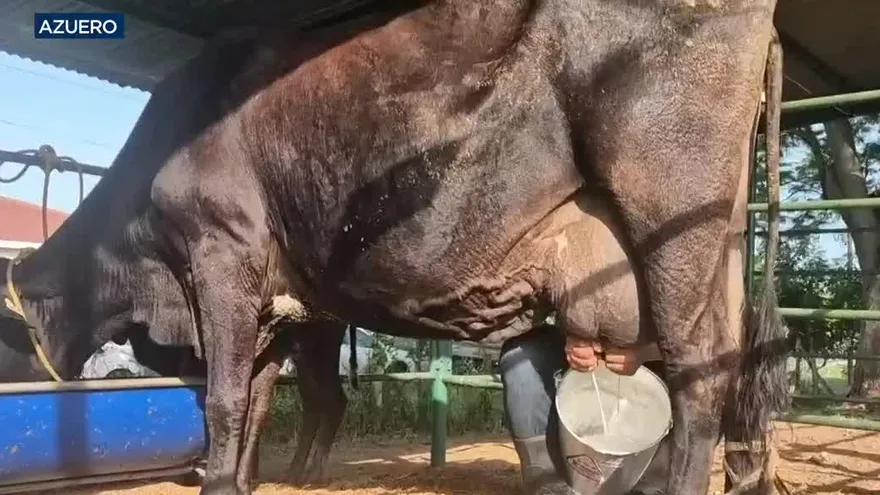
Marlon Ortiz, 25, is struggling with a shortage of pasture to feed his livestock, which has reduced milk production. He worries about rising food prices. "Most people are complaining because those who planted have no way to irrigate," testified 72-year-old farmer Ángel de Jesús Cruz, who has experienced only "three storms throughout the entire winter."
The Salvadoran Chamber of Small and Medium Agricultural Producers predicts a roughly 20% loss for the first basic grain harvest due to the water crisis. Several municipalities in El Salvador are situated within the Central American Dry Corridor, an arid region also spanning parts of Honduras and Nicaragua, making them particularly vulnerable to extreme weather events.
Most people are complaining because those who planted have no way to irrigate.
About this summary
Originally published by TVN Panamá in Spanish. Translated, summarized, and contextualized automatically by DistantNews, with a note on how the source frames the story. Not individually reviewed before publishing. How this works.
More Stories

From Our Blog

What Gets Lost (and Found) When News Is Translated

The Critical Role of Diaspora Media in Global News

What Travellers Should Know About Countries with Restricted Press

A Digital Nomad's Guide to Following Local News

How the Same Story Looks Different in Different Countries
