

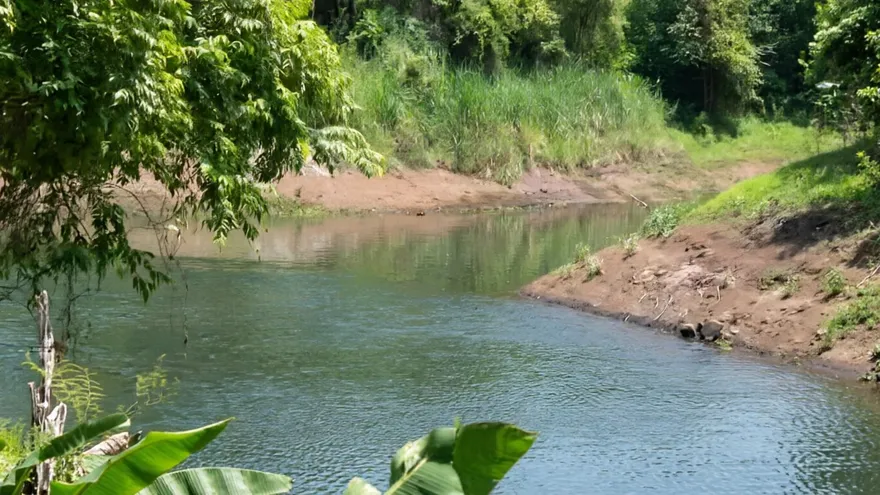

Panama Declares El Niño Emergency Amidst Agricultural Concerns
Translated from Spanish, summarized and contextualized by DistantNews.
At a glance
News
Named sources
New plan
- Panama has declared a state of emergency nationwide due to the advancing El Niño phenomenon.
- The measure aims to mitigate the impact on the agricultural sector, with a focus on the "Arco Seco" region facing water scarcity.
- Lawmakers are questioning the lack of detailed information regarding the emergency's scope and allocated resources.
Panama's government has declared a nationwide state of emergency in response to the escalating impacts of the El Niño phenomenon, a move that has sparked both anticipation and scrutiny regarding its practical implementation. While the declaration is intended to enable the government to proactively adopt measures against the climatic event's effects, particularly on the agricultural sector, questions linger about the concrete actions and financial resources that will be deployed.
Minister of Agricultural Development, Roberto Linares, highlighted water scarcity as a primary concern, especially in the "Arco Seco" region. To combat this, the ministry is considering projects for reservoirs and watering troughs, alongside more permanent solutions like geomembranes. Linares also proposed agreements with landowners who have sufficient water during the dry season to supply neighboring producers for animal consumption. Support with fodder, medication, and vitamins to prevent drought-related diseases in livestock is also planned.
The main problem in the Arco Seco is water.
However, concerns have been raised within the National Assembly regarding the transparency and specifics of the emergency declaration. Deputy Janine Prado expressed that lawmakers have yet to receive detailed information on the budget allocated, its intended uses, and priority intervention areas. Prado noted that the declaration was primarily learned through news reports, emphasizing a perceived lack of communication.
Prado further questioned the government's preparedness, suggesting that the effects of El Niño were predictable, especially given the increasing frequency of such events due to climate change. She pointed to recent budget discussions, where, according to her, resources for water harvesting and storage projects seemed readily available, despite farmers' financial struggles to undertake such investments independently. The emergency declaration is set to remain in effect until June 30, 2027.
We do not yet have certainty about how far this emergency period will extend.
DistantNews Editorial
Originally published by TVN Panamá in Spanish. Translated, summarized, and contextualized by our editorial team with added local perspective. Read our editorial standards.
More Stories

From Our Blog

What Gets Lost (and Found) When News Is Translated

The Critical Role of Diaspora Media in Global News

What Travellers Should Know About Countries with Restricted Press

A Digital Nomad's Guide to Following Local News

How the Same Story Looks Different in Different Countries
