

El Niño phenomenon: Panama declares state of emergency amid severe drought
Translated from Spanish, summarized and contextualized by DistantNews.
At a glance
News
Named sources
New plan
- Panama has declared a state of emergency due to a "very strong" El Niño phenomenon, which is causing a significant decrease in rainfall in the Pacific region.
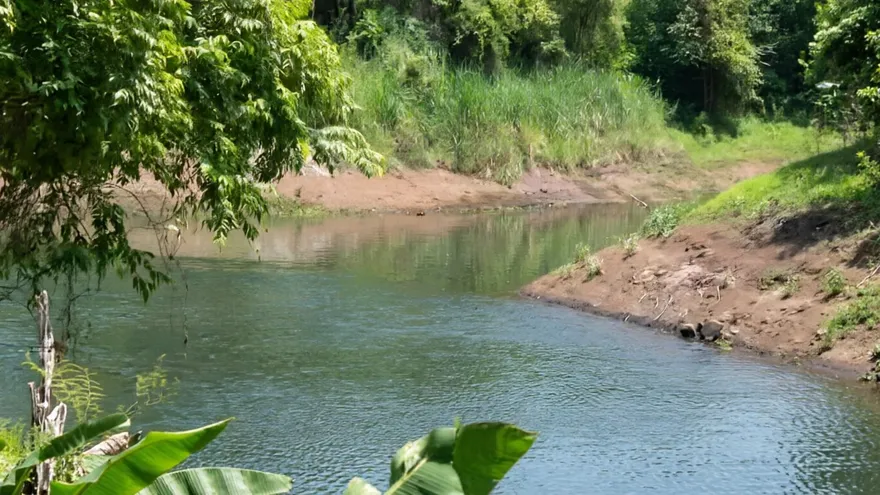
- The drought impacts 11 of the country's 51 river basins, affecting drinking water supplies and energy generation, with the Bayano hydroelectric plant currently halted.
- Agricultural sectors, including rice, coffee, and onion producers, face uncertainty as unpredictable rainfall patterns disrupt planting and irrigation schedules.
Panama's government has declared a state of emergency in response to a "very strong" El Niño phenomenon, which is significantly reducing rainfall across the Pacific region. The National Directorate of Meteorology and Hydrology of Panama (Imhpa) reported rainfall deficits of up to 60%, exceeding initial projections and prompting urgent measures.
many of their water treatment plants will be impacted
The most immediate consequences are felt in the nation's water supply and energy production. Eleven of Panama's 51 river basins, particularly those crucial for hydroelectric power, are experiencing water stress. The Bayano hydroelectric plant has ceased operations due to low water levels, and over 50 drinking water intake points have been affected. This scarcity also impacts the Panama Canal's operations, which are already facing restrictions.
the level of the rivers is dropping substantially
While Panama's energy matrix includes thermal, solar, and wind sources, hydroelectric power remains a significant component. Imhpa Director Luz Graciela Calzadilla warned that river levels are dropping substantially, leading to a concerning decrease in groundwater as aquifers fail to recharge. This creates a "vicious cycle" of water scarcity affecting both surface and underground sources.
underground water also decreases
The agricultural sector is grappling with profound uncertainty. Authorities are working with producers of rice, coffee, and onions, crops highly sensitive to climate variability. The unpredictable rainfall patterns are confusing farmers about optimal planting and irrigation times. Experts anticipate that the typical November rains will be minimal, with isolated showers, leading into a harsher dry season from January to March. Elevated temperatures are expected to persist, with high humidity exacerbating the feeling of heat.
without rain there is no recharge of aquifers, creating a vicious circle
DistantNews Editorial
Originally published by TVN Panamá in Spanish. Translated, summarized, and contextualized by our editorial team with added local perspective. Read our editorial standards.
More Stories

From Our Blog

What Gets Lost (and Found) When News Is Translated

The Critical Role of Diaspora Media in Global News

What Travellers Should Know About Countries with Restricted Press

A Digital Nomad's Guide to Following Local News

How the Same Story Looks Different in Different Countries
