

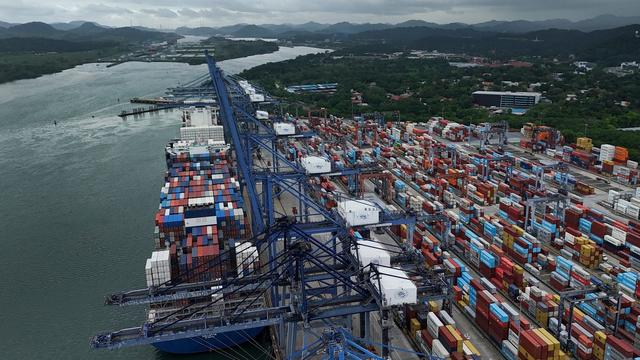
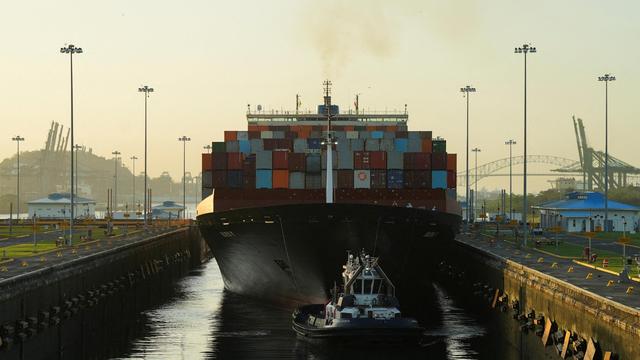
El Niño Drought Forces Panama Canal to Reduce Ship Traffic
Translated from German, summarized and contextualized by DistantNews.
At a glance
News
Official statement
Ongoing story
- Panama Canal operator ACP will reduce the number of daily ship transits due to water shortages caused by an unusually strong El Niño.
- Daily transits will decrease from 36 to a maximum of 34 starting September 3, and further to 32 by mid-September.
- The reduced capacity impacts global trade, affecting shipping routes between Asia and the US East Coast, and the US West Coast and Europe.
The vital Panama Canal faces significant disruptions as an exceptionally strong El Niño phenomenon causes severe drought in the region. The Autoridad del Canal de Panamá (ACP) announced that daily ship transits will be reduced, impacting global maritime trade.
Starting September 3, the canal will limit transits to a maximum of 34 ships per day, down from the usual 36. This number is expected to drop further to 32 ships daily by mid-September. The ACP cited the "negative impacts of the El Niño phenomenon" on the water levels of the Gatun and Alajuela reservoirs, which are crucial for operating the canal's locks.
El Niño, a natural climate event characterized by unusual warming of the Pacific Ocean's surface, has global repercussions on weather patterns. This year's event is noted by scientists as being unusually strong, increasing the risk of extreme weather events worldwide. The Panama Canal's reduced capacity adds to global trade concerns, particularly as it serves as a critical alternative to the Strait of Hormuz, which has been largely closed due to the Iran conflict.
the negative impacts of the El Niño phenomenon
DistantNews Editorial
Originally published by Die Zeit in German. Translated, summarized, and contextualized by our editorial team with added local perspective. Read our editorial standards.
More Stories


From Our Blog

What Gets Lost (and Found) When News Is Translated

How the Same Story Looks Different in Different Countries

The Critical Role of Diaspora Media in Global News

What Travellers Should Know About Countries with Restricted Press

A Digital Nomad's Guide to Following Local News
