

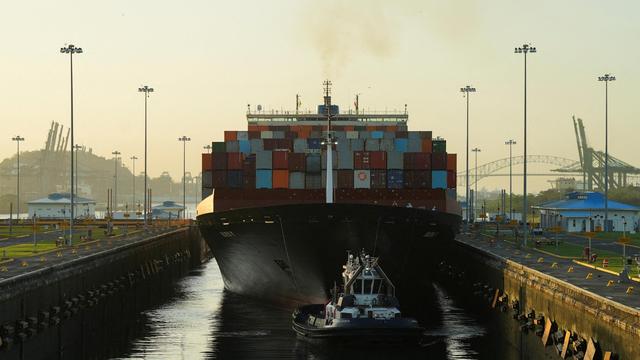
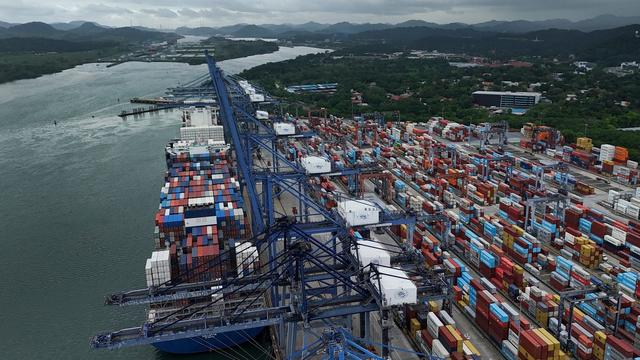
Panama Canal cuts ship passages due to low rainfall
Translated from German, summarized and contextualized by DistantNews.
At a glance
News
Named sources
Context piece
- The Panama Canal is reducing the number of daily ship passages due to low rainfall.
- Bookable transits will decrease from 36 to 32 per day starting in September.
- The measure aims to ensure the long-term sustainability of canal operations amid El Niño-related drought conditions.
The Panama Canal Authority is implementing restrictions on ship passages, lowering the daily limit from 36 to 32 starting in September. This decision stems from critically low rainfall levels impacting the waterway's operational capacity.
Despite ongoing efforts to conserve water and mitigate the effects of the El Niño climate phenomenon, additional preventative measures are deemed necessary. The authority stated that these steps are crucial for guaranteeing the long-term sustainability of the canal's operations. The canal relies on a lock system, with each ship passage releasing freshwater into the sea.
Between May and August, the region experienced approximately 34 percent less rainfall than the historical average for that period. Forecasts indicate that El Niño is expected to bring even lower precipitation levels to the region during the 2026-2027 period. With the dry season beginning in January, careful management of water resources and vigilant monitoring are essential to secure water availability.
The Panama Canal, an 80-kilometer artificial waterway cutting through the Isthmus of Panama, connects the Atlantic and Pacific Oceans. It provides ships with a vital shortcut, saving them the lengthy and perilous journey around the southern tip of South America.
DistantNews Editorial
Originally published by Die Zeit in German. Translated, summarized, and contextualized by our editorial team with added local perspective. Read our editorial standards.
More Stories


From Our Blog

What Gets Lost (and Found) When News Is Translated

How the Same Story Looks Different in Different Countries

The Critical Role of Diaspora Media in Global News

What Travellers Should Know About Countries with Restricted Press

A Digital Nomad's Guide to Following Local News
